
Decoding Average Monthly Household Expenses in India: Your Guide to Smarter Tracking
Are you constantly wondering where your money goes each month? For many households in India, understanding and managing monthly expenses can feel like navigating a complex maze. From housing to food, transportation to education, the costs add up quickly, often leaving us guessing about our financial standing. This guide will demystify average monthly household expenses in India, help you identify crucial categories to track, and provide practical strategies to gain control over your finances. By the end, you'll have a clear roadmap to better financial management, ensuring every rupee works harder for your family.
Understanding Average Household Expenses in India: What Influences Your Costs?
There's no single 'average' figure for household expenses in India, as costs vary significantly based on several factors:
- Location: Metro cities (Tier-1) like Mumbai, Delhi, or Bangalore are considerably more expensive than Tier-2 or Tier-3 cities and rural areas. Rent, transportation, and even daily groceries can see a stark difference.
- Family Size and Composition: A single individual's expenses will differ greatly from a nuclear family with children or a joint family. The number of dependents, their age, and specific needs (e.g., elderly care, child's education) play a crucial role.
- Income Level: Spending patterns often align with income. Higher income typically allows for more discretionary spending on lifestyle, entertainment, and luxury items.
- Lifestyle Choices: How often you dine out, your preference for branded goods, travel frequency, and choice of entertainment all impact your monthly outflow.
Instead of chasing an elusive 'average,' focus on understanding your own household's unique spending landscape.
Key Categories of Household Expenses You Must Track
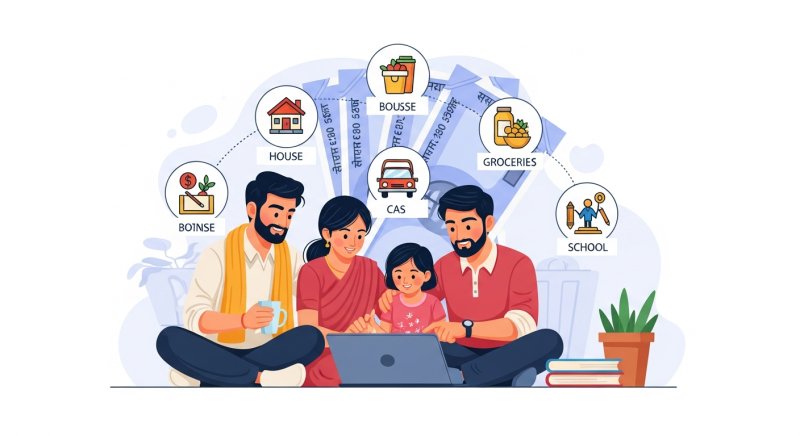
To effectively manage your money, it's essential to break down your spending into clear, manageable categories. Here are the primary areas every Indian household should track:
1. Housing Costs
- Rent/EMI: Whether you pay rent or a home loan Equated Monthly Installment (EMI), this is often the largest fixed expense.
- Maintenance: Society charges, minor repairs, and upkeep.
- Property Tax: If you own a home, this is an annual or semi-annual expense to factor in.
2. Utilities
- Electricity: Varies significantly with usage and appliance efficiency.
- Water: Often a fixed charge or metered.
- Cooking Gas: LPG cylinders or piped gas.
- Internet/DTH/Mobile Bills: Essential services in modern households.
3. Food & Groceries
- Groceries: Daily essentials, fresh produce, staples.
- Dining Out/Takeaways: Eating at restaurants or ordering food online.
4. Transportation
- Fuel: Petrol, diesel, or EV charging for personal vehicles.
- Public Transport: Buses, trains, auto-rickshaws, cabs.
- Vehicle Maintenance: Servicing, repairs, insurance.
5. Healthcare
- Health Insurance Premiums: A crucial investment.
- Medicines: Regular prescriptions and over-the-counter drugs.
- Doctor Visits/Consultations: Routine check-ups or specialist visits.
6. Education
- School/College Fees: Tuition, admissions.
- Books & Supplies: Textbooks, stationery.
- Extracurricular Activities: Sports, music, tutoring.
7. Personal Care & Clothing
- Personal Grooming: Salon visits, toiletries.
- Clothing & Accessories: Periodic purchases for family members.
8. Entertainment & Lifestyle
- Subscriptions: Streaming services, gym memberships.
- Hobbies & Recreation: Movies, outings, sports.
- Travel & Vacations: Allocated budget for trips.
9. Debt Repayments
- Loan EMIs: Personal loans, car loans, education loans.
- Credit Card Bills: Pay them in full to avoid interest.
10. Savings & Investments
- Emergency Fund: Crucial for unexpected expenses.
- Long-Term Investments: SIPs, FDs, mutual funds, PPF.
11. Miscellaneous & Contingency
- Domestic Help: Salaries for maids, cooks, drivers. For more detailed guidance, see our article on managing domestic help expenses.
- Home Repairs: Unexpected plumbing, electrical issues.
- Gifts & Donations: Occasional expenses for social events.
Example Scenario: A Sample Monthly Budget for a Family in a Tier-2 City
Consider a nuclear family (husband, wife, one child) with a combined monthly income of INR 85,000 living in a Tier-2 city like Pune or Jaipur.
- Housing (Rent): INR 18,000
- Utilities (Electricity, Water, Gas, Internet): INR 5,000
- Groceries: INR 14,000
- Transportation (Fuel, Public Transport): INR 6,000
- Healthcare (Insurance, Medicines): INR 4,000
- Education (Child's Schooling): INR 8,000
- Personal Care & Clothing: INR 3,500
- Entertainment & Dining Out: INR 7,000
- Debt Repayment (e.g., Small Personal Loan): INR 5,000
- Savings & Investments: INR 10,000
- Miscellaneous (Domestic Help, Small Repairs): INR 4,500
- Total Estimated Expenses: INR 85,000
This example highlights how quickly expenses add up and the importance of allocating funds to each category.
Why Tracking Your Expenses Matters for Financial Health
Tracking your household expenses isn't just about knowing where your money goes; it's a powerful tool for financial empowerment:
- Builds a Realistic Budget: Once you know your actual spending, you can create a manageable household budget that truly reflects your financial reality.
- Identifies Spending Leaks: Discover areas where you might be overspending unnecessarily.
- Achieves Financial Goals: Whether it's saving for a down payment, a child's education, or a vacation, tracking helps you allocate funds effectively.
- Reduces Financial Stress: Knowing your financial position brings peace of mind and allows for informed decisions.
- Improves Savings: By identifying where to cut back, you free up more money for savings and investments.
Practical Steps to Track Your Household Expenses Effectively
Ready to take control? Here’s how to start tracking your expenses:
- Choose Your Method: You can use a simple notebook, a spreadsheet, or a dedicated expense tracking app.
- Categorize Everything: Assign every expense to a specific category. This helps you see patterns. Learn how to create custom expense categories for smarter personal finance.
- Record Every Transaction: Make it a habit to log every single expense, no matter how small. Consistency is key.
- Review Regularly: At least once a week, or monthly, review your spending against your budget.
- Adjust Your Budget: Based on your review, make necessary adjustments to your spending habits and budget allocations.
Leveraging Technology for Seamless Expense Tracking
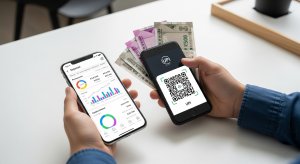
Once you understand your spending patterns, the next step is to implement a robust tracking system. This is where modern tools like Depto Flow become invaluable. Depto Flow allows you to effortlessly track your income and expenses, providing a clear overview of where your money is going. You can also manage budgets for different categories, ensuring you stay within your financial limits and make informed financial decisions for your family. Its intuitive interface simplifies the entire process, turning a daunting task into an easy daily habit.
Conclusion
Understanding and tracking your average monthly household expenses in India is the cornerstone of sound financial management. By categorizing your spending, regularly reviewing your habits, and leveraging the right tools, you can move from financial uncertainty to confident control. Taking these steps empowers you to make smarter choices, build savings, and achieve your family's financial aspirations.
Ready to take control of your household finances? Start tracking your income and expenses effortlessly today. Download Depto Flow and begin your journey to financial clarity.