
Stop the Drain: Your Guide to Fixing Negative Personal Cash Flow
Do you often find yourself wondering where all your money went before the next payday arrives? Feeling stressed about dipping into savings or relying on credit just to cover basic expenses? If so, you're likely experiencing negative personal cash flow. This common financial challenge means your expenses are consistently higher than your income, creating a financial treadmill that's hard to get off.
This guide will demystify negative cash flow, help you identify its signs, and provide a clear, actionable roadmap to turn your finances around. You'll learn practical strategies to track your money, cut unnecessary spending, boost your income, and build a sustainable financial future where your money works for you, not against you.
Understanding Negative Personal Cash Flow
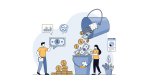
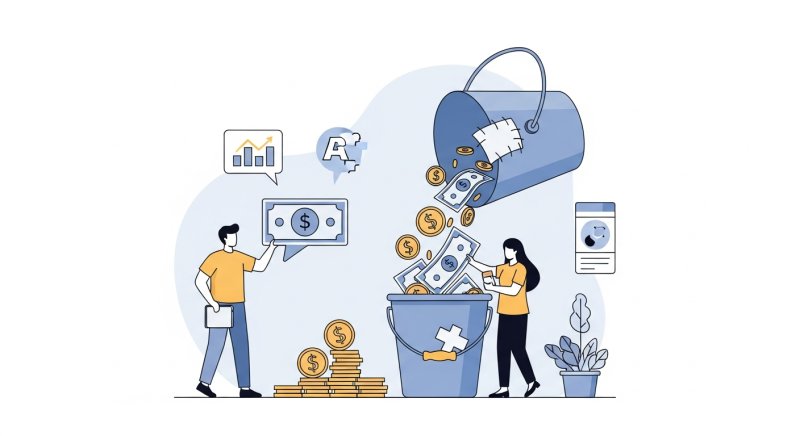
At its core, personal cash flow is the movement of money in and out of your pockets. When you have positive cash flow, your income exceeds your expenses, leaving you with surplus funds to save, invest, or spend as you wish. Negative cash flow is the opposite: your expenses consistently outweigh your income, forcing you to borrow, deplete savings, or delay payments. It’s like trying to fill a bucket with a hole in the bottom – no matter how much you pour in, it never stays full.
This isn't just about being broke; it's about a systemic imbalance in your financial life that, if left unaddressed, can lead to significant debt, stress, and hinder your long-term financial goals.
Recognizing the Signs of Negative Cash Flow
Identifying the problem is the first step towards a solution. Here are common indicators that you might be dealing with negative personal cash flow:
- Constantly relying on credit cards: You use credit cards for everyday expenses you can't pay off in full each month.
- Savings account is dwindling or non-existent: You're regularly dipping into your savings for current expenses, or you can't build one up.
- Living paycheck to paycheck: Your entire income is spent before your next salary arrives.
- Difficulty paying bills on time: You frequently miss payment deadlines or pay late fees.
- Increasing debt: Your total debt load (credit cards, personal loans) keeps growing.
- Frequent financial stress or anxiety: Money worries are a constant source of concern.
- No money left for emergencies: Unexpected expenses cause major financial disruption.
Why Fixing Negative Cash Flow is Crucial
Addressing negative cash flow isn't just about avoiding debt; it's about building financial stability and freedom. When you fix it, you gain:
- Reduced stress: Financial peace of mind is invaluable.
- Ability to save and invest: You can build an emergency fund, save for retirement, or invest in your future.
- Debt reduction: You can pay down existing debts faster and avoid new ones.
- Achieve financial goals: Whether it's buying a home, funding education, or starting a business, positive cash flow makes it possible.
- Greater control: You become the master of your money, not its slave.
Your Step-by-Step Guide to Turning the Tide
Step 1: Track Your Income and Expenses Meticulously
You can't fix what you don't understand. The first and most critical step is to get a crystal-clear picture of every rupee coming in and going out. Track all your income sources and every single expense, no matter how small. This includes everything from rent and utilities to daily chai and subscriptions.
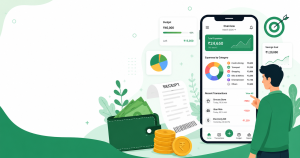
This is where a robust tool like Depto Flow becomes invaluable. It helps you meticulously track every rupee you earn and spend, categorizing transactions so you can easily see where your money is actually going. By logging your income and expenses, you gain the clarity needed to identify spending patterns and areas for improvement. You can even track money lent or borrowed, ensuring you have a complete overview of your financial commitments.
Step 2: Identify and Trim Unnecessary Expenses
Once you have a clear picture from your tracking, it’s time to find where you can cut back. Look for non-essential spending that doesn't align with your values or provide significant value. Common areas include:
- Subscriptions: Review all your streaming services, gym memberships, and apps. Cancel what you don't use regularly.
- Dining out/Takeaways: This is often a huge money drain. Cook more meals at home.
- Impulse purchases: Give yourself a 24-hour rule before buying non-essential items.
- Entertainment: Look for free or low-cost alternatives.
- Transportation: Can you carpool, use public transport, or walk more?
For a deeper dive into smart expense reduction, explore our guide on Where to Trim Your Expenses First.
Step 3: Explore Ways to Increase Your Income
While cutting expenses is vital, boosting your income can accelerate your journey to positive cash flow. Consider these options:
- Negotiate a raise: If you've been performing well, prepare a case for a salary increase.
- Side hustle: Utilize a skill or hobby to earn extra money in your free time (e.g., freelancing, tutoring, selling crafts).
- Sell unused items: Declutter your home and earn some cash from things you no longer need.
- Invest in skills: Acquire new skills that can lead to higher-paying opportunities.
Step 4: Create and Stick to a Realistic Budget
A budget is your financial roadmap. Based on your tracking and expense cuts, create a realistic spending plan. Allocate specific amounts for different categories (housing, food, transport, entertainment, savings, debt repayment). The key is to make it achievable, not restrictive. Regularly review and adjust your budget as needed.
Depto Flow's budgeting features can help you set realistic spending limits for various categories, ensuring you stay within your financial boundaries and work towards your positive cash flow goal. Master Your Money: How to Build a Powerful Payday Routine offers excellent tips on integrating budgeting into your financial habits.
Step 5: Prioritize Debt Repayment
High-interest debt, especially credit card debt, can significantly worsen negative cash flow by adding substantial interest payments. Develop a strategy to tackle this debt. The 'debt snowball' or 'debt avalanche' methods are popular approaches.
If you find yourself constantly borrowing, understanding How to Stop Borrowing Money Every Month can provide valuable insights and strategies.
Step 6: Build an Emergency Fund
Once you start creating positive cash flow, direct some of that surplus into an emergency fund. Aim for at least 3-6 months' worth of essential living expenses. This fund acts as a buffer against unexpected costs (medical emergencies, job loss, car repairs), preventing you from falling back into negative cash flow or relying on debt.
Practical Scenario: Turning the Tide
Let's consider Maya, who realized her monthly expenses of ₹50,000 consistently exceeded her ₹45,000 income. Using Depto Flow, she tracked her spending for a month and found:
- ₹8,000 on dining out and takeaways.
- ₹2,000 on unused subscriptions.
- ₹1,500 on impulse online shopping.
By making packed lunches, canceling two subscriptions, and implementing a 24-hour rule for online purchases, she cut ₹6,000 from her expenses. This immediately shifted her from a ₹5,000 deficit to a ₹1,000 surplus. She then used Depto Flow's budgeting tools to allocate this surplus to her emergency fund, slowly building a financial safety net and ensuring her cash flow remained positive.
Conclusion
Negative personal cash flow can feel overwhelming, but it's a solvable problem with a clear strategy and consistent effort. By meticulously tracking your money, identifying areas to cut expenses, exploring income-boosting opportunities, and sticking to a realistic budget, you can transform your financial situation.
Take the first step today: start tracking your income and expenses. Understanding where your money goes is the most powerful tool you have. For a comprehensive solution to manage your income, expenses, and budgets effectively, download Depto Flow and take control of your financial future. Download Depto Flow here.