

Master Your Monthly Paycheck: The Smart Order to Use Your Salary
Does your monthly salary seem to vanish faster than you can say 'payday'? You're not alone. Many people struggle with managing their income effectively, often finding themselves short before the next paycheck arrives. The good news is that with a strategic approach, you can gain control over your money, build savings, and reduce financial stress. This article will guide you through the best order to allocate your monthly salary, helping you establish a robust financial foundation and achieve your money goals.
Why a Strategic Salary Order Matters
Without a clear plan, money tends to get spent on immediate needs and wants, often leaving little for long-term goals or emergencies. A strategic order ensures that your most important financial priorities are met first, before discretionary spending takes over. This proactive approach transforms your salary from a fleeting resource into a powerful tool for wealth building and financial security.
The Optimal Order to Allocate Your Monthly Salary
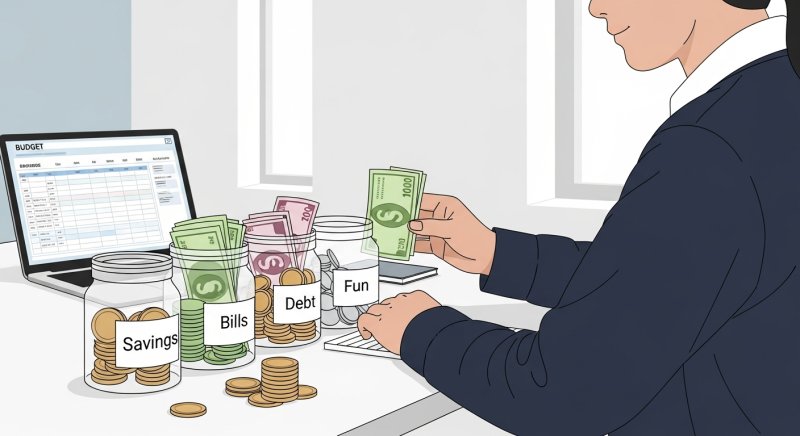
Think of your salary allocation as a financial waterfall, where money flows into different buckets in a specific sequence. This order prioritizes your future while covering your present needs.
1. Pay Yourself First: Savings and Investments
This is arguably the most crucial step. Before paying any bills or buying anything, allocate a portion of your salary to savings and investments. This could be for your emergency fund, retirement, a down payment on a house, or any other significant financial goal. Automating these transfers to a separate account right after your salary hits makes it easier to stick to this habit. Aim for at least 10-20% of your net income, if possible.
- Emergency Fund: Build up 3-6 months' worth of living expenses in an easily accessible, high-yield savings account.
- Retirement Accounts: Contribute to your Provident Fund (PF), Public Provident Fund (PPF), NPS, or mutual funds for long-term growth.
- Goal-Specific Savings: Set aside money for vacations, education, or other personal aspirations.
2. Cover Essential Expenses
Once you've paid yourself, it's time to cover your non-negotiable living costs. These are expenses you absolutely need to live and work. Prioritizing these ensures your basic needs are met and you avoid late fees or service interruptions.
- Housing: Rent or home loan EMIs.
- Utilities: Electricity, water, gas, internet.
- Groceries: Food and household essentials.
- Transportation: Fuel, public transport passes, vehicle EMIs.
- Insurance: Health, life, vehicle insurance premiums.
- Debt Minimums: If you have loans (car, personal, credit card), ensure you cover at least the minimum payments to avoid penalties and protect your credit score.
Understanding average monthly household expenses can help you benchmark your own spending and identify areas for optimization.
3. Tackle High-Interest Debt
After essentials, focus on aggressively paying down high-interest debt, such as credit card balances or personal loans. The interest on these debts can quickly erode your financial progress, making them a significant drain on your income. Consider strategies like the debt snowball or debt avalanche method to accelerate repayment.
- Credit Card Debt: Prioritize balances with the highest interest rates.
- Personal Loans: Aim to pay these off faster to reduce overall interest paid.
4. Allocate for Discretionary Spending and Lifestyle
This is where your 'wants' come in. After securing your future, covering essentials, and addressing high-interest debt, you can allocate money for entertainment, dining out, hobbies, shopping, and other lifestyle choices. The key here is conscious allocation rather than haphazard spending. Set a budget for these categories and stick to it.
- Entertainment: Movies, streaming services, concerts.
- Dining Out: Restaurant meals, takeaways.
- Hobbies & Recreation: Gym memberships, classes, personal care.
- Shopping: Non-essential clothing, gadgets, home decor.
5. Review and Adjust Your Budget Regularly
Your financial situation isn't static. Life changes, income fluctuates, and expenses can shift. Regularly reviewing your budget (monthly or quarterly) allows you to make necessary adjustments. This step is crucial for ensuring your spending aligns with your goals and that your salary allocation remains effective.
Example: Putting the Salary Order into Practice
Let's say your net monthly salary is ₹50,000.
- 1. Pay Yourself First (20%): ₹10,000 to savings/investments.
- 2. Essential Expenses (45%): ₹22,500 for rent, utilities, groceries, transport.
- 3. High-Interest Debt (15%): ₹7,500 towards credit card debt.
- 4. Discretionary Spending (20%): ₹10,000 for entertainment, dining, personal care.
This structured approach ensures ₹10,000 is saved automatically, your living costs are covered, high-interest debt is actively reduced, and you still have money for enjoyable activities.
How Depto Flow Can Help You Master Your Salary Order
Successfully implementing this salary allocation strategy requires diligent tracking and budgeting. This is where tools like Depto Flow become invaluable. Depto Flow helps you easily track income and expenses, create and manage budgets for different categories (like essentials and discretionary spending), and monitor your spending against your plan. By clearly seeing where your money goes, you can identify areas for improvement and ensure you're sticking to your prioritized spending order.
Ready to take control of your salary and build a stronger financial future? Download Depto Flow today to effortlessly track your income, manage your expenses, and stick to your budget.
Conclusion
Managing your monthly salary effectively is a cornerstone of personal finance. By adopting a disciplined approach – paying yourself first, covering essentials, tackling debt, and then enjoying discretionary spending – you can transform your financial outlook. Regular review and adjustment, supported by robust tracking tools, will ensure you stay on track towards your financial goals.
Practical Next Step:
Take a moment to list your current monthly income and all your expenses. Then, apply the 'Pay Yourself First' principle, followed by essentials, debt, and discretionary spending. For seamless income and expense tracking and budget management, download Depto Flow and start building your financial future today.