

Student Budget Planner for Hostel Mess Expenses: Master Your Monthly Food Budget
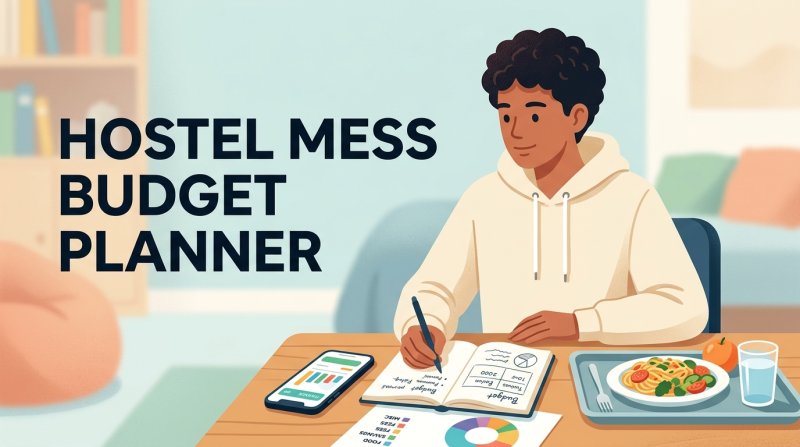
Managing food expenses as a college student living in a hostel is often harder than it looks. While most universities charge a fixed upfront mess fee, the reality of hostel life includes late-night canteen snacks, weekend food deliveries, missed mess meals, and extra coupon purchases. Without a clear system, these small daily food purchases quietly devour your monthly allowance long before the month ends.
Creating a realistic hostel mess budget isn't about skipping meals or avoiding social dinners with friends. It's about knowing exactly where your monthly allowance goes and building a structured routine to manage fixed mess bills and daily discretionary food costs.
Understanding Your Hostel Food Cost Structure
Before creating a monthly budget, you need to break down your food expenses into distinct categories. Most hostel students deal with three main types of food expenditures:
- Fixed Mess Charges: The mandatory fee paid directly to the hostel or catering contractor every semester or month.
- Variable Mess Extras: Additional costs for special meals, egg/chicken coupons, extra milk, or guest meal charges added to your monthly mess bill.
- Outside Food & Canteen Expenses: Money spent on night canteens, tea stalls, delivery apps, snacks, and weekend group dining.
The primary reason students overrun their monthly allowance is that they only account for fixed mess charges while ignoring variable extras and daily canteen trips. Treating all food expenses as a single pile makes it impossible to see where your money leaks.
How to Build a Student Budget Planner for Mess Expenses
Follow these practical steps to take complete control of your food spending without compromising on health or student social life.
1. Calculate Your Base Food Allowance
Start with your total monthly stipend or pocket money. Deduct essential non-food fixed expenses like printouts, mobile recharges, toiletries, and academic materials. What remains is your net monthly allowance. Allocate a fixed percentage of this remaining amount specifically for food and snacks outside the basic mess fee.
2. Track Mess Rebates and Missed Meals
Most college hostels offer a mess rebate system where you can claim a partial refund or bill reduction if you leave campus for a minimum number of consecutive days (e.g., during long weekends or mid-term breaks). Make a habit of filing mess rebate applications on time before leaving campus. Unclaimed rebates represent money left directly on the table.
3. Set a Daily Canteen Cap
Small expenditures add up rapidly. Spending 50 to 100 currency units every night on canteen chai, noodles, or snacks seems harmless in isolation, but over 30 days, it quickly totals 1,500 to 3,000 units. Establish a daily or weekly hard cap for canteen purchases. Once you reach that limit, stick to standard mess timings for the remainder of the week.
4. Manage Shared Food Orders and Night Outings
Group food deliveries and late-night snacks are staples of hostel culture, but they frequently lead to confusion over who paid what. When one student pays for the group delivery on a card, others often forget to pay back their share immediately. Keeping track of pending repayments is essential to keeping your personal budget balanced. If you frequently manage shared living costs, reading our guide on how to manage allowance and shared bills for hostel students will give you actionable insights into keeping group finances stress-free.
Common Mess Budgeting Mistakes to Avoid
Even well-intentioned students make avoidable financial mistakes during their college years. Keep an eye out for these frequent traps:
- Buying Meal Coupons on Credit: Buying extra mess coupons on credit from friends or the mess manager creates hidden debts that catch up with you at the end of the semester.
- Ignoring Micro-Transactions: Forgetting to log small 20-unit transactions at the campus juice shop or tuck shop creates a major disconnect between your expected balance and your actual bank account.
- Skipping Prepaid Mess Meals: Frequently skipping included mess meals to order fast food means you are paying twice for dinner—once through your upfront mess fee and again through your delivery app.
Streamlining Student Finances with Depto Flow
Keeping track of daily hostel cash flow, canteen dues, mess bill adjustments, and split delivery costs using paper notebooks or memory leads to forgotten entries. This is where modern digital tools simplify student life.
Using a flexible finance application like Depto Flow helps students maintain total clarity over their college money. With integrated features like Expense Tracking and Budget Management, you can set distinct monthly budgets for canteen purchases, groceries, and dining out. Whenever you make a quick payment at the hostel tuck shop or canteen, you can log it instantly in seconds.
Furthermore, Depto Flow's Money Lent & Borrowed Tracking feature ensures you never lose track of money owed to or by roommates after late-night pizza orders or shared mess coupon buys. When organizing floor parties or batch celebrations, the Event Expense Management feature lets you manage collective contributions easily.
Summary and Practical Next Steps
Mastering your hostel food budget requires simple daily discipline rather than harsh sacrifices. Here is your quick action checklist for the month ahead:
- Calculate your total available food budget after fixed expenses.
- Set a weekly limit for outside food and canteen runs.
- Always submit mess rebate forms before heading home for holidays.
- Track every small food transaction immediately when it happens.
- Settle shared food delivery bills on the same day.
Take charge of your personal financial habits today. To manage your hostel expenses, track split bills, and maintain your monthly student budget effortlessly, download the Depto Flow app now.