
Beyond the Bill: Your Essential Guide to Tracking Family Medical Expenses

The unexpected can happen at any time, and often, it comes with a medical bill. For families, managing healthcare costs can feel like navigating a complex maze. From routine check-ups to sudden emergencies, medical expenses can quickly add up, making it challenging to understand where your money is going and how to plan for the future.
If you've ever felt overwhelmed by medical receipts piling up or wondered how to accurately account for every doctor's visit and prescription, you're not alone. This guide will walk you through why tracking family medical expenses is crucial, what exactly you should be tracking, and practical methods to keep your family's health finances in order. By the end, you'll have the tools and knowledge to gain control over your healthcare spending and achieve greater financial peace of mind.
Why Tracking Medical Expenses is Crucial for Your Family's Finances
Keeping a close eye on your family's medical spending offers several significant benefits:
- Better Budgeting and Financial Planning: Understanding your average medical costs allows you to allocate funds more accurately in your budget. This prevents surprises and helps you plan for future healthcare needs. You can learn more about dividing your salary effectively for all expenses, including medical, by reading Master Your Money: How to Divide Your Salary for Expenses, Savings, and Goals.
- Identifying Spending Patterns: Tracking helps you spot trends. Are certain conditions recurring? Are medication costs consistently high? This insight can inform discussions with doctors about cost-effective treatments or help you explore alternative insurance plans.
- Maximizing Tax Benefits and Reimbursements: Many countries offer tax deductions or credits for medical expenses exceeding a certain threshold. Accurate records are essential for claiming these. Similarly, if you have health insurance, meticulous tracking simplifies the reimbursement process for co-pays, deductibles, and out-of-pocket costs.
- Building an Emergency Fund: Knowing your typical medical outlay, and the potential for larger costs, can help you determine a realistic target for your emergency fund, ensuring you're prepared for unforeseen health challenges. For guidance on saving, consider Smart Savings: A Practical Guide for Indian Middle-Class Families.
What Exactly Should You Track? A Comprehensive Checklist
To ensure you capture the full picture of your family's healthcare spending, keep records of the following:
- Doctor and Specialist Visits: Fees for consultations, follow-ups, and specialist appointments (e.g., pediatrician, dentist, ophthalmologist).
- Prescription Medications: Costs of all prescribed drugs, including refills.
- Over-the-Counter (OTC) Medications: Important if they are part of ongoing treatment or recommended by a doctor.
- Diagnostic Tests: Fees for blood tests, X-rays, MRIs, CT scans, and other lab work.
- Hospitalization Costs: Room charges, surgery fees, nursing care, and other associated expenses during a hospital stay.
- Therapies: Costs for physical therapy, occupational therapy, speech therapy, mental health counseling, etc.
- Medical Equipment: Expenses for wheelchairs, crutches, hearing aids, corrective lenses, and other necessary medical devices.
- Health Insurance Premiums: While often deducted from salary, it's a significant healthcare cost to factor in.
- Co-pays and Deductibles: Your out-of-pocket share for services before insurance kicks in or for each visit.
- Transportation Costs: If significant and directly related to obtaining medical care (e.g., travel to a distant specialist).
Tip: Always keep original receipts, invoices, and explanation of benefits (EOB) statements from your insurance provider. These are crucial for verification and claims.
Effective Methods for Tracking Your Family's Medical Expenses
There are several ways to track medical expenses, ranging from simple to sophisticated. Choose the method that best fits your comfort level and needs.
1. Manual Tracking (Notebook or Spreadsheet)
This traditional approach offers simplicity and control.
- Notebook: A dedicated notebook can work for basic tracking. Simply jot down the date, patient's name, type of service, provider, amount paid, and method of payment for each expense.
- Spreadsheet (Excel/Google Sheets): More robust than a notebook, a spreadsheet allows for categorization, summation, and even basic analysis. Create columns for: Date, Patient, Service/Item, Provider, Amount, Insurance Coverage, Out-of-Pocket, Payment Method, and Notes (e.g., "Follow-up for flu").
Pros: Low cost, full control over data, no learning curve for basic use.
Cons: Time-consuming, prone to manual errors, difficult to generate reports, requires manual calculation.
2. Digital Expense Tracking Apps
For a more streamlined and efficient approach, dedicated expense tracking apps are invaluable. These tools automate many of the tedious aspects of tracking and provide quick insights.
Many apps allow you to:
- Categorize expenses instantly (e.g., "Medical: Doctor Visit," "Medical: Pharmacy").
- Attach photos of receipts directly to entries.
- View spending trends through charts and graphs.
- Set budgets and receive alerts.
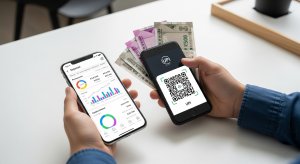
This is where a tool like Depto Flow can be incredibly helpful. Depto Flow allows you to easily track all your income and expenses. You can create custom categories, such as "Family Medical," "Prescriptions," or "Doctor Visits," to meticulously record every healthcare-related cost. This feature helps you see exactly how much your family is spending on health, making it easier to stick to your budget and identify areas for adjustment. Simply input the expense, categorize it, and even add notes about who it was for or what the service was. This approach aligns with effectively tracking recurring payments and subscriptions, as detailed in Stop the Drain: Your Guide to Tracking Subscriptions and Recurring Payments, by ensuring all periodic costs are accounted for.
Practical Tips for Seamless Medical Expense Tracking
To make your tracking efforts truly effective, consider these actionable strategies:
- Create a Dedicated "Medical" Category: Whether in a spreadsheet or an app, having a specific category for all medical-related expenses (and subcategories if needed) is crucial for clear reporting.
- Scan or Photograph Receipts Immediately: Don't let physical receipts pile up. Use your phone to scan or photograph them as soon as you receive them and attach them to your digital expense entry. This creates a digital backup and reduces clutter.
- Review and Reconcile Regularly: Set aside 15-30 minutes each week or month to review your medical expenses against bank statements or insurance EOBs. This helps catch discrepancies and ensures accuracy.
- Understand Your Insurance Policy: Familiarize yourself with your health insurance plan's deductibles, co-pays, and what's covered. This knowledge helps you anticipate out-of-pocket costs and verify bills.
- Separate Personal vs. Family Expenses (If Applicable): If you also track business expenses or individual personal spending, ensure family medical costs are clearly separated for accurate budgeting.
Example Scenario: How Tracking Helps the Sharma Family
Let's consider the Sharma family: Rohan, Priya, and their two children, aged 5 and 10. In a typical month, they might face:
- Rohan's monthly allergy medication: ₹500
- Priya's physiotherapy session: ₹1200 (co-pay)
- Child 1's routine check-up: ₹800 (out-of-pocket after insurance)
- Child 2's emergency dental visit: ₹3000 (partially covered)
- Over-the-counter cold medicine for the family: ₹300
Without tracking, these individual expenses might seem minor, but they add up to ₹5,800. If the Sharmas use an app like Depto Flow, they would input each of these as an expense under a "Medical" category. At the end of the month, a quick glance at their expense report would show their total medical spending. This empowers them to:
- Adjust their "Medical" budget for the next month if this was higher than anticipated.
- See if certain types of expenses (like dental emergencies) are common and warrant a specific savings goal.
- Easily provide records if they need to claim tax benefits or insurance reimbursements.
This proactive approach transforms confusing bills into clear financial insights, giving the Sharmas peace of mind and control over their healthcare budget.
Gaining Control and Peace of Mind
Tracking family medical expenses isn't just about crunching numbers; it's about gaining control, reducing financial stress, and making informed decisions about your family's health and wealth. By adopting a consistent tracking method, you empower yourself to manage the inevitable costs of healthcare with confidence.
Ready to take control of your family's medical spending? Start by implementing a tracking system today. For a straightforward way to manage all your family's expenses, including medical costs, consider trying Depto Flow. Its intuitive interface makes it easy to categorize and monitor every rupee spent. Download Depto Flow now and bring clarity to your family's finances.