
Mastering Your Cultural Program Budget: Enjoy Events Without Financial Stress

Cultural programs, from music festivals and art exhibitions to traditional dance performances and local fairs, offer enriching experiences that connect us to heritage, art, and community. While these events bring immense joy, they can also lead to unexpected financial strain if not managed properly. Are you tired of the post-event budget blues? This guide will show you how to budget effectively for cultural programs, ensuring you can fully immerse yourself in the experience without any financial stress or guilt.
Why a Dedicated Budget for Cultural Programs is Essential
Many people overlook creating a specific budget for leisure activities, including cultural programs. This often leads to overspending, dipping into savings, or cutting back on other essentials later. A dedicated budget helps you:
- Prevent Overspending: Clearly define how much you can comfortably spend.
- Maximize Enjoyment: Financial worries can overshadow the experience. A budget frees you to enjoy.
- Attend More Events: By planning, you can strategically allocate funds to attend multiple desired programs throughout the year.
- Gain Financial Clarity: Understand where your money goes and make conscious spending choices.
Key Steps to Budgeting Your Cultural Program Expenses
1. Identify Your Cultural Interests and Programs
Start by listing the cultural programs, festivals, or events you wish to attend in the coming months. Research ticket prices, potential travel costs, and any associated expenses. This initial survey gives you a rough idea of your aspirations.
2. Estimate All Potential Costs
Don't just think about the ticket price. Cultural programs often come with hidden costs. Consider:
- Tickets/Entry Fees: The most obvious cost. Look for early bird discounts or season passes.
- Travel & Transportation: Fuel, parking, public transport fares, or even accommodation if it's an out-of-town event.
- Food & Beverages: Event food can be pricey. Plan for snacks, water, or even a packed meal.
- Merchandise & Souvenirs: T-shirts, artisan crafts, program booklets.
- Workshops/Additional Activities: Many festivals offer paid workshops or special access.
- Attire/Costumes: If the event requires specific traditional or themed clothing.
3. Categorize and Prioritize Your Expenses
Once you have a list, categorize your expenses. Which are essential (e.g., ticket) and which are optional (e.g., souvenir t-shirt)? Prioritize based on your budget and how much value each item adds to your experience. For instance, attending a specific workshop might be more important than buying a souvenir.
4. Set a Realistic Spending Limit
Based on your income and other financial commitments, determine how much you can realistically allocate to cultural programs without compromising your other financial goals. This might mean making trade-offs, like attending one major festival instead of two smaller ones, or opting for general admission over VIP passes. Remember, you can also learn how to manage monthly ration and grocery expenses to free up funds for such cultural pursuits.
5. Track Your Spending in Real-Time
This is arguably the most critical step. It's easy to lose track of small purchases that add up during an event. Real-time tracking helps you stay within your budget and make immediate adjustments if you're veering off course.
For instance, imagine you've budgeted ₹5,000 for a weekend cultural festival. You buy a ticket for ₹1,500. At the venue, you spend ₹700 on food and drinks, and later ₹1,000 on a craft item. Without tracking, you might impulse buy another item, only to realize you've overspent. With real-time tracking, you'd know you have ₹1,800 left, helping you decide wisely.
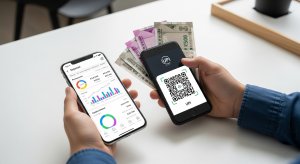
This is where tools like Depto Flow become incredibly useful. Its features allow you to easily track your income and expenses, and specifically, to manage event expenses. By recording every purchase related to the cultural program, you can see exactly where your money is going and ensure you stick to your predefined limits. You can even track expenses without linking your bank account, offering a private and powerful way to monitor your spending.
6. Review and Adjust Your Budget
Life is unpredictable, and so are cultural programs. You might find a last-minute opportunity or an unexpected cost. Be flexible. Review your spending regularly and adjust your budget as needed. If you overspent on one event, perhaps you can scale back on the next, or vice versa.
Practical Tips for Saving on Cultural Programs
- Look for Free Events: Many cities host free cultural performances, open days, or exhibitions.
- Early Bird Discounts: Always check if booking tickets in advance offers a significant discount.
- Student/Senior Discounts: If applicable, inquire about special pricing.
- Volunteer: Some festivals offer free entry or perks for volunteers.
- Pack Your Own: Bring water bottles, snacks, or even packed meals to avoid expensive vendor prices.
- Use Public Transport: Save on parking fees and fuel by opting for buses, trains, or ride-sharing.
- Group Discounts: Attending with friends? See if there are group booking discounts.
Conclusion
Budgeting for cultural programs doesn't mean sacrificing enjoyment; it means enhancing it by removing financial stress. By systematically planning, tracking, and adjusting your expenses, you empower yourself to experience the rich tapestry of cultural events without any financial regrets. Embrace the joy of cultural immersion with a clear mind and a healthy wallet.
Ready to take control of your cultural program spending? Download Depto Flow today to effortlessly track your event expenses and manage your overall budget. Get started on your journey to stress-free cultural experiences: Download Depto Flow.