

Celebrate Smart: Your Guide to Planning Eid Expenses Without Overspending
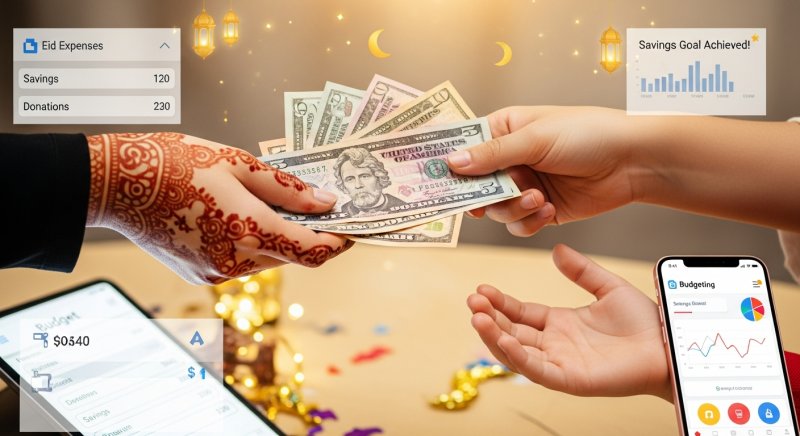
Eid is a time of joy, celebration, and giving. From festive meals and new clothes to thoughtful gifts and charitable donations, the expenses can quickly add up. While the spirit of Eid encourages generosity, it's easy to find ourselves overspending, leading to financial stress long after the festivities end. This article will equip you with practical strategies and actionable tips to plan your Eid expenses effectively, ensuring a joyous celebration without compromising your financial well-being.
Understanding Your Eid Spending Categories
Before you can plan, you need to know where your money typically goes during Eid. Identifying these common spending categories is the first step towards creating a realistic budget.
- Gifts (Eidi): For family, friends, and especially children. This can be a significant portion of your budget.
- Food and Hosting: Special meals, ingredients for lavish dishes, and snacks for guests.
- New Clothes and Accessories: Outfits for yourself and your family to mark the festive occasion.
- Decorations: Items to adorn your home, creating a festive atmosphere.
- Travel: Costs associated with visiting family or friends, especially if they live far away.
- Charity (Zakat/Sadaqah): Essential giving that is integral to the spirit of Eid.
Take a moment to list out all the areas where you expect to spend money. This clarity will be invaluable as you move to the next step.
Setting a Realistic Eid Budget
A budget isn't about restricting your joy; it's about channeling your resources smartly to maximize happiness without regret. Here's how to create an effective Eid budget:
- Review Past Spending: If possible, look at how much you spent on Eid in previous years. This gives you a baseline.
- Determine Your Total Spending Limit: Decide on a reasonable overall amount you can comfortably afford for Eid without dipping into savings or going into debt.
- Allocate Funds to Categories: Distribute your total spending limit across the categories you identified. Be realistic. For example, if gifts are a priority, allocate more there and less to decorations. You might find our guide on creating separate budgets for spending categories helpful for this.
- Prioritize Needs vs. Wants: Distinguish between essential expenses (like charity and basic food) and discretionary ones (like excessive new outfits or elaborate decorations).
Example Eid Budget Breakdown:
Let's say your total Eid budget is $500.
- Gifts (Eidi): $150
- Food & Hosting: $120
- New Clothes: $100
- Decorations: $30
- Travel (Local): $50
- Charity: $50
- Buffer: $0 (ensure categories are tight or add a small buffer for unexpected costs)
This provides a clear framework for your spending.
Smart Strategies to Save Money During Eid
Once your budget is set, implement these smart strategies to stick to it:
- Plan Meals in Advance: Decide on your menu and create a shopping list to avoid impulse purchases at the grocery store. Consider making some dishes in bulk or asking family members to contribute.
- DIY Decorations: Instead of buying new decorations every year, get creative with DIY projects or reuse items from previous Eids.
- Set Eidi Limits: Decide on a reasonable amount for Eidi per person and stick to it. Inform older children or family members in advance if you're making changes.
- Group Gifting: For adult family members, consider pooling resources with siblings or cousins to buy a more substantial gift rather than individual smaller ones.
- Shop Sales Early: Look for sales on clothes and gifts in the weeks leading up to Eid to snag better deals.
- Borrow, Don't Buy: If you need a specific item for a short period (e.g., serving dishes), consider borrowing from a friend or family member instead of buying.
Tracking Your Expenses in Real-Time
Creating a budget is only half the battle; tracking your spending as it happens is crucial to prevent overspending. This allows you to see exactly where your money is going and make adjustments if needed.
A reliable expense tracker can be a game-changer. Depto Flow helps you track all your income and expenses, making it easy to monitor your spending against your Eid budget. By logging every purchase, you gain immediate insight into your financial situation, ensuring you don't unknowingly exceed your limits. This is also useful for tracking all income sources, including any Eid gifts or bonuses received.
Managing Shared Expenses and Loans
Eid often involves shared family meals, group gifts, or even small loans exchanged between relatives. Keeping track of who paid for what or who owes whom can get complicated quickly.
Depto Flow simplifies this by allowing you to track money lent or borrowed, record repayments, and see pending balances at a glance. Whether you're coordinating a large family feast or simply lending a sibling some cash for a last-minute purchase, Depto Flow ensures everyone is clear on their financial obligations. For larger family events, you might find our guide on tracking group expenses effortlessly useful.
Don't let the joy of giving turn into the stress of forgotten loans. Depto Flow's loan tracking feature helps you manage these informal agreements with ease. You can also refer to our detailed guide on never forgetting a loan again to master this aspect.
Conclusion
Celebrating Eid is about connection, gratitude, and joy, not financial strain. By planning your expenses, setting a realistic budget, and diligently tracking your spending, you can enjoy a fulfilling Eid without the worry of overspending. These strategies ensure your celebrations are memorable for all the right reasons.
Take control of your Eid finances and make this festive season truly stress-free. Download Depto Flow today to effortlessly manage your budget, track expenses, and handle any money lent or borrowed, ensuring a financially sound and joyful Eid celebration.