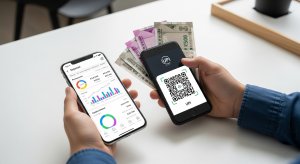

Event Budgeting Demystified: How to Compare Planned vs. Actual Expenses and Stay on Track
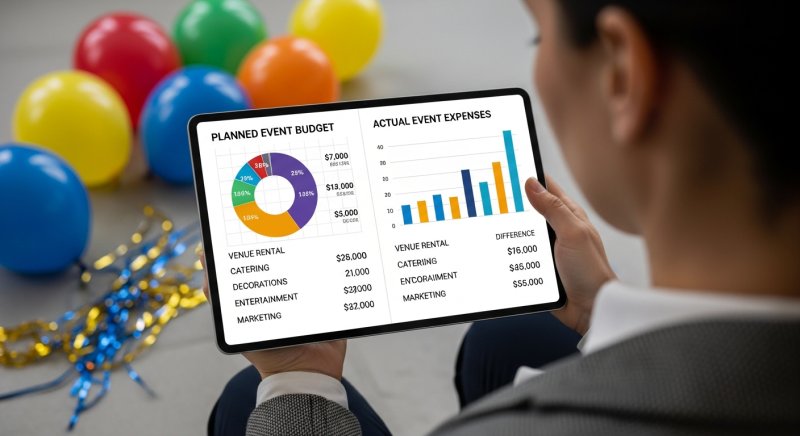
Planning an Event? Here's How to Track and Compare Your Spending
Planning an event, whether it's a milestone birthday, a dream wedding, or a crucial corporate gathering, often comes with a mix of excitement and financial anxiety. You meticulously set a budget, envisioning every detail, but how often do you truly know if you stuck to it? The gap between your planned expenses and what you actually spend can lead to unexpected stress, potential debt, and a derailment of your broader financial goals.
This article will guide you through the essential process of comparing your planned and actual event expenses. By the end, you'll understand why this comparison is crucial, how to execute it effectively, and gain practical tips to master your event finances, ensuring you gain control, avoid surprises, and plan smarter for all future occasions.
Why Comparing Planned vs. Actual Event Expenses is Crucial
Many people create a budget and then simply hope they stick to it. However, the real power lies in the comparison. Here’s why it’s a non-negotiable step for any event planner:
- Prevents Overspending and Debt: The most immediate benefit. Knowing where you stand financially in real-time helps you avoid dipping into savings or, worse, accumulating debt.
- Provides Clear Financial Insights: It gives you an honest look at your spending habits and where your money truly goes during an event.
- Refines Future Budgeting: Each event becomes a learning experience. Analyzing past discrepancies helps you create more realistic and accurate budgets for subsequent events.
- Reduces Stress and Improves Confidence: Financial uncertainty is a major stressor. Proactive comparison gives you peace of mind and confidence in your financial management.
- Identifies Areas for Cost-Saving: You might discover you consistently overspend on certain categories, prompting you to seek more cost-effective alternatives next time.
Understanding the Basics: Planned vs. Actual Expenses
Before diving into the comparison, let's clarify these two fundamental terms:
- Planned Expenses: These are your estimated costs. They represent the amounts you allocate to various categories before the event even begins. This is your ideal financial blueprint.
- Actual Expenses: These are the real amounts of money you spend. They are the costs incurred during and after the event, reflecting the true financial outlay.
Key Event Expense Categories to Track
To ensure a comprehensive comparison, it's vital to break down your event into manageable expense categories. While every event is unique, common categories include:
- Venue Rental: Cost of the location.
- Catering/Food & Beverages: Meals, drinks, snacks.
- Decorations: Flowers, lighting, table settings, theme items.
- Entertainment: DJ, band, performers, games, activities.
- Invitations & Stationery: Design, printing, postage.
- Photography/Videography: Capturing memories.
- Attire: Special outfits for the hosts or participants (if applicable).
- Transportation: Travel costs, parking, shuttle services.
- Favors/Goodie Bags: Gifts for guests.
- Miscellaneous/Contingency: A buffer for unexpected costs.
Step-by-Step Guide: Comparing Your Event Budget to Reality
Follow these steps to effectively compare your planned and actual event expenses:
Step 1: Create a Detailed Initial Budget
Before anything else, list every single anticipated cost. Be as granular as possible. Don't just budget for 'food'; break it down into 'main course,' 'appetizers,' 'dessert,' 'drinks,' etc. Assign a realistic estimated cost to each item.
Step 2: Track Every Single Actual Expense
This is where diligence pays off. From the moment you pay the first deposit to the last tip, record every payment. Keep all receipts – physical and digital. This includes small purchases like extra batteries or last-minute decorations.
Step 3: Categorize and Organize Your Spending
As you track, assign each expense to its corresponding budget category. This makes the comparison much easier. For example, a florist bill goes under 'Decorations,' and a DJ payment under 'Entertainment.'
Step 4: Perform the Line-by-Line Comparison
Once all expenses are recorded, compare each actual cost against its planned budget amount. Calculate the difference for each category. This difference is known as budget variance. A positive variance means you spent less than planned, while a negative variance indicates overspending.
Step 5: Analyze and Learn from Variances
Don't just note the differences; understand why they occurred. Did you underestimate the cost of the venue? Did you make impulse purchases for decorations? Were there unexpected fees? This analysis is crucial for improving future financial planning.
Step 6: Adjust for Future Events
Use the insights gained to refine your budgeting process for your next event. If you consistently underestimate catering costs, you'll know to allocate more in that category next time.
Manual vs. Digital Tools for Event Expense Tracking
You have options when it comes to tracking your expenses:
- Manual Methods: Spreadsheets or notebooks can work for simple events. They offer flexibility but can be time-consuming, prone to errors, and lack real-time insights.
- Digital Tools: Expense tracker apps offer automation, real-time updates, categorization, and reporting features. They can significantly simplify the process, especially for complex events or when multiple people are contributing.
Practical Tips for Mastering Event Expense Comparison
- Be Realistic with Your Budget: Don't lowball estimates hoping to save money. Be honest about potential costs.
- Build in a Contingency Fund: Always allocate 10-15% of your total budget for unexpected costs or minor overruns. This buffer is a lifesaver.
- Keep All Receipts: Make it a habit to photograph or scan receipts immediately. This prevents lost data and provides proof of purchase.
- Track in Real-Time: Don't wait until the event is over to record expenses. Update your tracker as soon as money is spent.
- Review Regularly: Schedule weekly or bi-weekly check-ins to compare your actual spending against your budget. This allows for mid-course corrections.
- Involve Co-Planners: If it's a shared event, ensure everyone involved understands the budget and diligently tracks their spending. This also helps in understanding your collective spending history.
Simplify Event Expense Tracking with Depto Flow
Manually comparing every receipt against your budget can be tedious and overwhelming, taking away from the joy of event planning. This is where a smart financial tool can make all the difference. Depto Flow's dedicated 'Events' feature allows you to set up a specific budget for your event and then easily record every single expense as it happens. You can categorize these expenses, see your spending against your plan in real-time, and even manage shared event costs by tracking who owes what or who has paid for what.
This streamlined approach ensures you always know where you stand financially, empowering you to make informed decisions, prevent budget overruns, and focus on enjoying your special occasion.
Ready to take control of your event finances and plan with confidence? Download Depto Flow today and simplify your event expense management.
Conclusion
Mastering the comparison between your planned and actual event expenses is a cornerstone of smart financial management. It's not just about saving money; it's about gaining clarity, reducing stress, and building better financial habits for all your future endeavors. By diligently tracking, comparing, and learning from your spending, you transform the daunting task of event budgeting into an empowering experience.
Your next step is to apply these principles to your upcoming event. Begin by outlining your budget, then commit to tracking every expense meticulously. For a seamless and insightful experience, consider using Depto Flow to manage your event finances. Download the app and take the first step towards stress-free event budgeting and impeccable financial control.