

Your Ultimate Guide to Budgeting for Moving to a New House
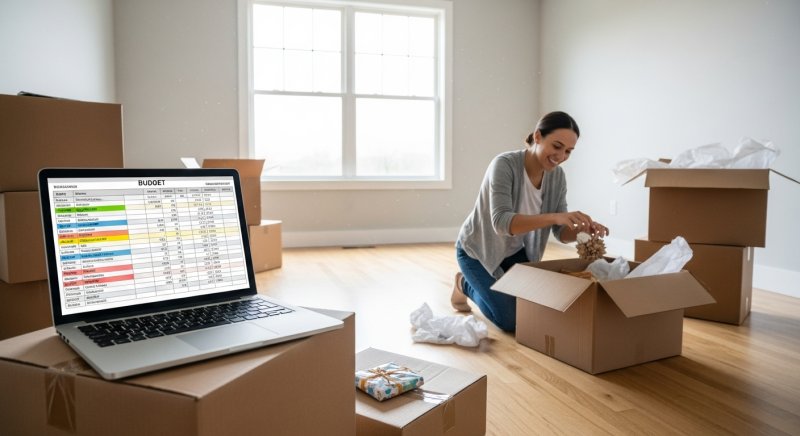
The excitement of moving to a new house is often accompanied by the daunting reality of its costs. From packing boxes to professional movers, utility setup, and furnishing your new space, expenses can quickly pile up, turning a joyous occasion into a financial headache. But what if you could navigate this transition with clarity and control, avoiding unexpected financial strain?
This guide will walk you through creating a comprehensive budget for your move, helping you identify potential costs, track your spending effectively, and discover smart strategies to save money. By the end, you'll have the tools and knowledge to manage your moving finances with confidence, ensuring a smoother transition into your new home.
Why a Moving Budget is Essential for a Smooth Transition
Moving house is more than just transporting belongings; it's a significant financial event often riddled with hidden costs. Without a clear budget, you risk overspending, dipping into savings, or even accumulating debt. A well-planned moving budget acts as your financial roadmap, allowing you to:
- Anticipate all expenses: From the obvious to the easily forgotten.
- Allocate funds wisely: Prioritize spending and avoid last-minute financial surprises.
- Identify saving opportunities: Spot areas where you can cut costs without compromising your move.
- Reduce stress: Financial clarity brings peace of mind during an inherently stressful period.
Unpacking the Costs: Key Categories of Moving Expenses
To build an effective budget, you need to understand where your money will likely go. Moving expenses typically fall into three main categories:
Pre-Move Costs: Getting Ready
These are the expenses incurred before the moving truck even arrives:
- Packing Supplies: Boxes, tape, bubble wrap, markers, packing paper.
- Decluttering & Disposal: Costs for junk removal, donation pickups, or special waste disposal.
- Repairs & Cleaning (Old Home): Painting, minor fixes, professional cleaning to secure your deposit back.
- Utilities Disconnection/Transfer Fees: Some providers charge for this.
Moving Day Costs: The Big Event
The core expenses related to transporting your items:
- Professional Movers: If hiring, this includes labor, transportation, and potentially packing services. Get multiple quotes!
- DIY Moving: Truck rental, fuel, mileage charges, moving equipment (dollies, moving blankets).
- Moving Insurance: To protect your belongings during transit.
- Food & Refreshments: For yourself, family, and any helpers on moving day.
- Pet Care: Boarding or transport costs if you have pets.
Post-Move & Setup Costs: Settling In
Don't forget the expenses that arise once you're in your new home:
- Security Deposits & First Month's Rent: For renters.
- Utility Setup Fees: For electricity, gas, water, internet, cable.
- New Furniture & Appliances: Items needed for the new space (even if small).
- Cleaning Supplies: To make your new home sparkle.
- Initial Groceries: Stocking your new pantry.
- Unexpected Repairs/Maintenance: Small fixes or adjustments needed in the new place.
- Locks & Security: Changing locks or installing a new security system.
Creating Your Moving Budget: A Step-by-Step Practical Guide
Ready to build your budget? Follow these steps for a structured approach:
1. Estimate Major Costs First
Start with the biggest ticket items. Get quotes from at least three moving companies if you plan to hire. For renters, confirm security deposit amounts and first month's rent. If buying, factor in closing costs, legal fees, and down payment.
2. Account for All Smaller Expenses
Go through the categories listed above and estimate costs for packing supplies, cleaning, utility setup fees, and even things like takeout food on moving day. Be as detailed as possible. A simple spreadsheet or a dedicated budgeting app can be invaluable here.
3. Build an Emergency Buffer Fund
No move is perfectly predictable. Aim to set aside an additional 10-15% of your total estimated budget for unexpected costs. This buffer can cover anything from a broken appliance to a last-minute storage need.
4. Track Every Penny Spent
This is where your budget comes alive. As you incur expenses, record them immediately. This real-time tracking helps you stay within your limits and adjust if certain categories are running over.
For seamless expense tracking and budget management, consider using a dedicated financial app. Depto Flow allows you to easily track all your income and expenses, categorize them, and set up budgets for specific events like moving. This way, you can see exactly where your money is going and ensure you're sticking to your plan. Download Depto Flow today to take control of your moving finances.
5. Cut Costs Where Possible
Review your estimated expenses and look for areas to trim. Can you pack yourself? Sell unwanted furniture instead of moving it? Every saving adds up.
Practical Scenario: Budgeting for a Local Apartment Move
Let's imagine you're moving from a 1-bedroom apartment to another within the same city. Here ’s a simplified budget breakdown:
- Rent Deposit & First Month: Rs. 20,000 + Rs. 20,000 = Rs. 40,000
- Professional Movers (local, 2-3 hours): Rs. 5,000
- Packing Supplies (boxes, tape, bubble wrap): Rs. 1,500
- Cleaning Supplies (old apartment): Rs. 500
- Utility Setup Fees (Internet, Electricity): Rs. 1,000
- New Locks: Rs. 800
- Takeout/Food on Moving Day: Rs. 700
- Miscellaneous/Emergency Buffer (10%): Rs. 4,500
- Total Estimated Budget: Rs. 54,500
By breaking it down, you can clearly see where your money is allocated and identify areas for potential savings. For instance, if friends help you move, you might reduce the professional mover cost, but you'd still account for food and perhaps a thank-you gesture. If you are sharing costs with friends and family, managing shared expenses can be tricky, but an app designed for this can simplify things.
Smart Strategies to Save Money on Your Move
Moving doesn't have to break the bank. Here are actionable tips to reduce your expenses:
- Declutter Ruthlessly: The less you move, the less it costs. Sell, donate, or discard items you no longer need. This also helps you start fresh in your new home.
- DIY Packing: Purchase basic supplies and pack your items yourself. Ask local stores for free boxes.
- Compare Moving Quotes: Don't settle for the first quote. Get at least three estimates from reputable movers.
- Move Off-Peak: Weekends, holidays, and the end of the month are typically more expensive. If possible, move mid-week or mid-month.
- Enlist Help: Ask friends and family to help with packing, cleaning, or even lifting boxes. Just remember to treat them to a good meal!
- Plan Meals: Avoid expensive takeout during the packing and unpacking phase. Cook simple meals or prepare freezer-friendly options beforehand. This is a great way to curb your cravings and save money on food delivery.
Conclusion: Move with Financial Confidence
Moving to a new house is an exciting milestone, and with careful financial planning, it can be a smooth and stress-free experience. By creating a detailed budget, understanding potential costs, and actively tracking your spending, you gain control over your finances during this significant transition. Remember to factor in an emergency buffer and look for opportunities to save money at every step.
Your Next Step: Start Building Your Moving Budget Today!
Don't wait until the last minute. Begin estimating your moving costs now and set up a dedicated budget. For effortless expense tracking and budget management throughout your move, download Depto Flow. It's the perfect tool to help you monitor every rupee, ensuring you stay on track and move into your new home with financial peace of mind.