
Smart Strategies to Slash Daily Office Expenses and Boost Your Bottom Line
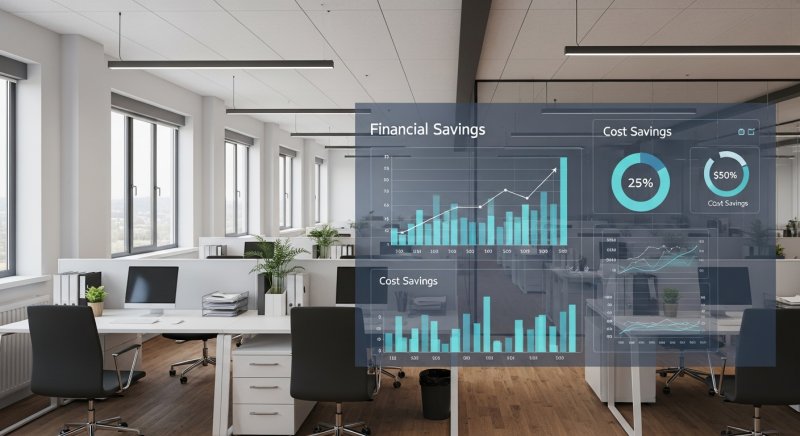
Running an office, whether it's a bustling corporate space or a home-based setup, comes with a steady stream of daily expenses. These seemingly small costs – from paper clips to electricity bills – can quickly add up, significantly impacting your business's profitability. If you're looking to enhance your financial health and free up resources for growth, understanding how to effectively reduce daily office expenses is crucial.
This guide will equip you with practical, actionable strategies to identify and cut unnecessary costs without compromising productivity or quality. We'll cover everything from optimizing energy use to smarter procurement, helping you build a more cost-efficient operation.
Optimize Your Energy Consumption
Energy bills are often one of the largest recurring office expenses. Small changes can lead to significant savings over time.
- Switch to LED Lighting: LEDs consume far less electricity and last much longer than traditional incandescent or fluorescent bulbs. The initial investment pays off quickly in reduced energy costs and fewer replacements.
- Unplug "Vampire" Electronics: Devices like monitors, chargers, and coffee makers still draw power even when turned off if they're plugged in. Encourage staff to unplug equipment at the end of the day or use smart power strips that cut power automatically.
- Regulate HVAC Systems: Set thermostats to energy-efficient temperatures. Consider programmable thermostats that adjust settings based on occupancy schedules. Regular maintenance of heating, ventilation, and air conditioning systems also ensures they run efficiently.
- Maximize Natural Light: Arrange workspaces to take advantage of natural sunlight, reducing the need for artificial lighting during the day.
Streamline Office Supplies and Equipment Procurement
Office supplies can be a hidden drain on resources if not managed properly.
- Buy in Bulk (Wisely): Purchasing common items like paper, pens, and cleaning supplies in larger quantities often comes with a discount. However, only buy what you realistically need to avoid waste or storage issues.
- Implement a Supply Request System: Instead of an open-access supply closet, create a system where employees request items. This helps track usage, identify unnecessary purchases, and prevent hoarding.
- Go Digital Where Possible: Reduce reliance on paper by utilizing digital documents, cloud storage, and online collaboration tools. This cuts costs on printing, paper, ink, and physical storage.
- Maintain Equipment: Regularly service printers, copiers, and other office machinery. Well-maintained equipment lasts longer, reducing the frequency of expensive replacements and repair costs.
Rethink Technology and Software Subscriptions
Technology is essential, but its costs can escalate if not managed.
- Audit Software Subscriptions: Review all active software subscriptions. Are you using every feature? Are there free or more affordable alternatives that meet your needs? Cancel unused licenses.
- Consider Open-Source Alternatives: For many common tasks, open-source software provides robust, free alternatives to paid applications (e.g., LibreOffice instead of Microsoft Office for basic document creation).
- Optimize Internet and Phone Plans: Periodically review your internet and phone service providers. Are you on the best plan for your usage? Don't hesitate to negotiate or switch providers for better rates.
- Lease vs. Buy Equipment: For expensive equipment like high-end copiers or servers, consider leasing options. This can reduce upfront costs and often includes maintenance.
Manage Business Travel and Commuting Costs
For businesses with employees on the move, these expenses can be substantial.
- Promote Public Transportation or Carpooling: Encourage employees to use public transport or carpool through incentives. This reduces fuel costs, parking fees, and wear-and-tear on company vehicles (if applicable).
- Utilize Video Conferencing: Before planning a business trip, evaluate if a video conference can achieve the same objectives. Tools like Zoom or Google Meet can save significantly on travel, accommodation, and time.
- Negotiate Corporate Rates: If travel is frequent, negotiate corporate discounts with airlines, hotels, and car rental agencies.
Smart Food and Beverage Management
Office snacks, coffee, and team lunches contribute to daily expenses.
- Offer Basic Coffee/Tea: Provide standard coffee and tea options rather than expensive gourmet varieties or daily takeout runs.
- Encourage Packed Lunches: While occasional team lunches are great for morale, encourage employees to bring their own meals to reduce daily catering or restaurant costs.
- Bulk Snacks: If providing snacks, buy in bulk and choose cost-effective, healthy options.
The Role of Expense Tracking in Cost Reduction
The first step to reducing expenses is knowing exactly where your money is going. Many businesses overlook the power of diligent tracking all business expenses, which is essential for identifying spending patterns, spotting inefficiencies, and making informed decisions.
For instance, if you consistently find a particular category, like "Miscellaneous Office Supplies," consuming a disproportionate amount of your budget, it signals an area for deeper investigation. Perhaps a specific vendor is overpriced, or employees are over-ordering certain items.
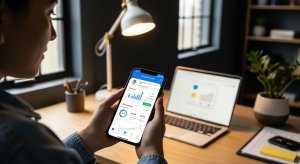
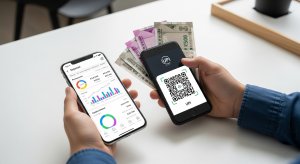
This is where a robust expense tracking solution becomes invaluable. With Depto Flow, you can easily track all your income and expenses, categorize them, and get a clear overview of your spending habits. By diligently logging every office expense, from a ream of paper to the monthly internet bill, you can pinpoint exactly where your money is going. This clarity empowers you to make data-driven decisions on where to cut back without impacting essential operations.
Understanding your cash flow is not just about identifying where you're spending too much; it's also about recognizing opportunities for better budgeting and resource allocation. For more insights on managing various types of shared costs, you might find our guide on tracking shared expenses useful, as many principles apply to office environments too.
Conclusion
Reducing daily office expenses isn't about drastic cuts that harm productivity; it's about implementing smart, sustainable strategies that create a leaner, more efficient operation. By focusing on energy efficiency, thoughtful procurement, judicious use of technology, and mindful management of other daily costs, you can significantly improve your business's financial health.
The most effective way to start this journey is by having a clear picture of your current spending. Take the practical next step towards better financial management for your office by tracking every expense. Download Depto Flow today at https://flow.depto.in/app/download-app and gain the clarity needed to make smarter spending decisions.