

Splitwise vs Expense Tracker Apps: Which Money Tool Do You Actually Need?
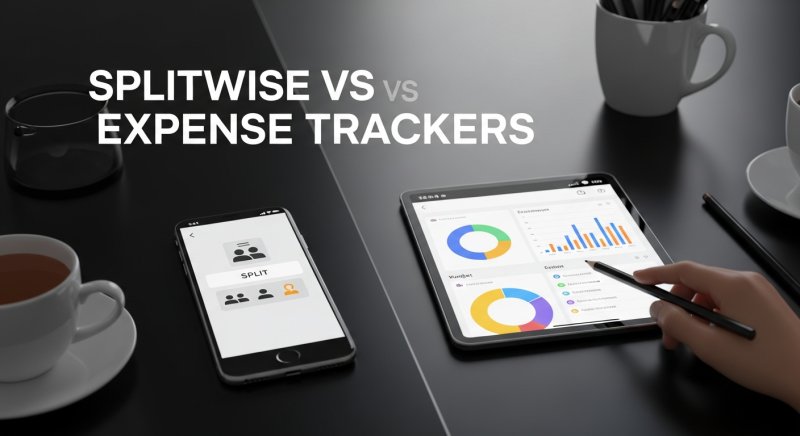
Managing your finances often comes down to choosing the right tool for the job. But when you look at popular finance tools, you quickly notice they serve completely different purposes. Splitwise is built primarily to help friends and roommates split bills, while dedicated personal expense tracker apps help you manage your total cash flow, monitor budgets, and achieve individual financial goals.
If you find yourself using one app for dinner splits and another for tracking your monthly salary, you might wonder: which type of financial software actually fits your day-to-day routine? In this detailed comparison, we will break down the fundamental differences between Splitwise and full-fledged expense trackers, compare their strengths and weaknesses, and help you decide on the best strategy for your money.
Understanding Splitwise: The Shared Expense Specialist
Splitwise excels at a specific financial scenario: calculating who owes what within a group. Whether you are dividing apartment rent with roommates, splitting dinner bills on a weekend trip, or sharing party costs, Splitwise removes the awkwardness of keeping track of individual IOUs.
Key Features of Splitwise
- Group Expense Logging: Add expenses, choose who paid, and select custom split percentages or equal portions.
- Simplified Debt Resolution: The app automatically minimizes the total number of transactions needed to settle up across multiple people.
- Multi-Currency Support: Useful for international travel with group members using different currencies.
However, Splitwise is not designed to be a complete personal finance hub. It does not track your total personal income, measure your monthly personal savings rate, or organize your overall spending into detailed lifestyle categories like groceries, utilities, or entertainment. If you are looking for dedicated roommate bill-splitting strategies, you can check out our guide on Splitwise alternatives for roommates.
Understanding Expense Tracker Apps: The Personal Cash Flow Hub
While bill-splitting tools focus on shared obligations, personal expense tracker apps give you complete visibility over your personal net cash flow. They track where every dollar goes, allowing you to establish monthly budgets, evaluate spending patterns, and maintain overall financial health.
Key Features of Personal Expense Trackers
- Income and Expense Logging: Track all money coming in from salary or clients alongside every expense going out.
- Category-Based Budgeting: Group spending into specific buckets like housing, dining out, transport, and investments.
- Financial Analytics: Visual summaries and reports showing where your money goes each week or month.
For independent professionals who need detailed income logs, a dedicated daily expense tracker for freelancers is essential for managing tax deductions and fluctuating income.
Side-by-Side Comparison: Splitwise vs Expense Tracker Apps
To highlight the practical differences, here is how a pure bill-splitting app compares against a standard personal expense tracker across key financial activities:
| Financial Need | Splitwise | Standard Expense Tracker |
|---|---|---|
| Splitting Shared Bills | Excellent (Automated group math) | Limited or Not Supported |
| Tracking Personal Income | No Support | Yes (Comprehensive salary & payout logging) |
| Category Budgeting | Basic (Group level only) | Detailed (Personal spending categories) |
| Settling Personal IOUs | Tracks shared balances in groups | Rarely offers native peer-to-peer balance tracking |
| Event Expense Tracking | Good for group trips | Varies (Usually tied to monthly calendar views) |
Which Tool Should You Choose?
Your choice depends on your current financial priorities and primary use case.
Choose Splitwise If:
Your main financial friction is dividing recurring household expenses or trip costs among roommates and friends, and you already track your personal monthly savings elsewhere.
Choose a Standard Expense Tracker If:
You want to take control of your overall spending habits, prevent overspending in dynamic categories like dining or shopping, and build a consistent monthly budget.
What If You Need Both?
Switching between two separate applications—one for group splits and another for personal budget tracking—creates unnecessary friction. When you pay for a shared meal, you have to log the expense on Splitwise to get reimbursed, and then manually record your portion in your personal expense tracker.
This double-entry problem is why hybrid balance tools exist. If you want a clean, single system to manage your overall income and expenses without losing track of money you have lent out or borrowed, download Depto Flow. Depto Flow gives you clear budget tracking while allowing you to log money lent or borrowed, record partial repayments, monitor pending balances, and organize specific event expenses in one single place.
Conclusion and Key Takeaways
Choosing between Splitwise and a traditional expense tracker comes down to whether your main challenge is peer-to-peer bill calculation or broader personal money management. Splitwise keeps group debts clear, while expense trackers build lasting personal financial discipline.
For the best control over your money, select a workflow that combines cash flow visibility with clear balance tracking so no expense or reimbursement gets forgotten. Assess your daily spending habits today, choose the right system for your goals, and start building cleaner money management habits.