

Conquer Your Debt: A Strategic Guide to Prioritizing Multiple Personal Debts
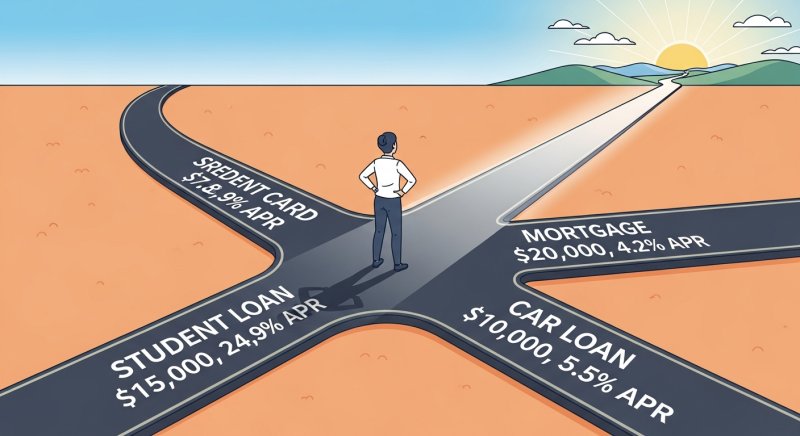
Are you feeling overwhelmed by a pile of personal debts, unsure of where to start? Many people face the challenge of juggling multiple loans, credit card balances, and informal borrowings, making it difficult to see a clear path to financial freedom. The good news is that with a strategic approach, you can effectively prioritize and tackle these debts, moving closer to a healthier financial future.
This guide will walk you through understanding your debt landscape, exploring proven prioritization strategies like the debt snowball and avalanche methods, and providing actionable steps to help you regain control. You'll learn how to make informed decisions and implement a plan that works for your unique situation, transforming that feeling of overwhelm into empowered action.
Understand Your Debt Landscape: The First Step to Freedom
Before you can prioritize, you need a clear picture of all your outstanding debts. This means gathering information and listing every single debt you owe. Don's skip this crucial step; it's the foundation of your debt management plan.
Create a Comprehensive Debt Inventory
- List All Creditors: Include everyone you owe money to, from banks and credit card companies to friends, family, and even informal 'udhari' (money lent or borrowed).
- Current Balance: Note the exact amount you still owe on each debt.
- Interest Rate (APR): This is arguably the most critical piece of information for prioritization. Higher interest rates mean more money paid over time.
- Minimum Payment: Record the smallest amount you must pay each month to avoid late fees or penalties.
- Due Date: Keep track of when each payment is due to avoid missing deadlines.
- Debt Type: Is it a credit card, personal loan, student loan, or an informal loan from a friend?
Once you have this inventory, you'll have a clear, often sobering, but ultimately empowering overview of your financial obligations. This transparency is vital for making smart decisions.
Proven Strategies for Prioritizing Your Debts
With your debt inventory in hand, it's time to choose a strategy for tackling them. Two popular methods stand out: the Debt Snowball and the Debt Avalanche.
1. The Debt Snowball Method
The debt snowball method focuses on psychological wins. Here's how it works:
- List your debts from the smallest balance to the largest, regardless of interest rate.
- Make minimum payments on all debts except the smallest one.
- Throw all extra money you can find at the smallest debt until it's paid off.
- Once the smallest debt is gone, take the money you were paying on it (minimum payment + extra payment) and apply it to the next smallest debt.
- Repeat this process, building momentum like a snowball rolling downhill, until all debts are paid.
Pros: Provides quick wins and psychological motivation, which can be crucial for staying committed to your plan. It's often recommended for those who need to see progress to stay engaged.
Cons: You might pay more interest over time compared to the avalanche method, as it doesn't prioritize high-interest debts first.
2. The Debt Avalanche Method
The debt avalanche method prioritizes saving money on interest. Here's how it works:
- List your debts from the highest interest rate to the lowest, regardless of the balance.
- Make minimum payments on all debts except the one with the highest interest rate.
- Direct all extra money you have towards the debt with the highest interest rate until it's paid off.
- Once the highest interest debt is gone, take the money you were paying on it and apply it to the debt with the next highest interest rate.
- Continue this process until all debts are eliminated.
Pros: Saves you the most money in interest over the long run, leading to a faster overall debt repayment if you're disciplined.
Cons: Takes longer to see the first debt disappear, which can be demotivating for some individuals.
Which Method is Right for You?
The best method depends on your personality and financial discipline. If you need quick wins to stay motivated, the snowball method might be better. If you're highly disciplined and focused on minimizing costs, the avalanche method is financially superior. Sometimes, a hybrid approach, where you tackle one particularly small, high-interest debt first, can offer both psychological and financial benefits.
Practical Steps to Execute Your Debt Repayment Plan
Choosing a strategy is just the beginning. Effective execution requires discipline and smart financial habits.
1. Create a Realistic Budget
A budget is your roadmap. It helps you understand where your money is going and identify areas where you can cut back to free up more funds for debt repayment. Track every rupee you earn and spend. For tips on managing finances in challenging environments, consider strategies for managing high cost of living in Indian cities.
2. Find Extra Money
Look for opportunities to increase your income or reduce expenses. This could mean taking on a side hustle, selling unused items, or cutting discretionary spending like eating out or subscriptions. Even small amounts can make a big difference when consistently applied to your prioritized debt.
3. Negotiate with Creditors
If you're struggling to make payments, don't hesitate to contact your creditors. They may be willing to work with you by lowering interest rates, waiving fees, or setting up a more manageable payment plan.
4. Stay Consistent and Track Progress
Consistency is key. Stick to your chosen method and regularly review your progress. Seeing those balances shrink can be incredibly motivating.
Simplify Debt Tracking with Depto Flow
Managing multiple personal debts, especially informal loans or 'udhari' with friends and family, can be complex. Keeping track of who owes what, who you owe, and the repayment schedules can quickly become a tangled mess. This is where a dedicated tool like Depto Flow can make a significant difference.
Depto Flow helps you track money lent or borrowed, record repayments, and monitor pending balances with ease. Instead of relying on memory or scattered notes, you get a clear, organized overview of all your personal debt obligations. Whether you're trying to manage multiple informal debts with one person, or simply keep tabs on various personal loans, Depto Flow provides the clarity you need to stay on top of your repayment plan. For more specific guidance on this, check out our article on Taming the Udhari Tangle: How to Master Multiple Debts with One Person.
By centralizing this information, you can easily see which debts are next in line for repayment according to your chosen snowball or avalanche strategy, making it simpler to allocate your extra funds effectively.
Conclusion
Prioritizing multiple personal debts might seem daunting, but by taking a structured approach, you can gain control and accelerate your journey to debt freedom. Start by understanding your complete debt picture, then choose a repayment strategy that aligns with your financial personality – be it the motivational debt snowball or the interest-saving debt avalanche. Implement practical steps like budgeting and finding extra money, and stay consistent.
To simplify the tracking of your personal debts and manage repayments effectively, consider using Depto Flow. Its features for tracking money lent or borrowed, recording repayments, and monitoring pending balances can provide the clarity and organization you need to stick to your plan. Take the next step towards financial peace by downloading Depto Flow today and begin managing your debts with confidence: Download Depto Flow.