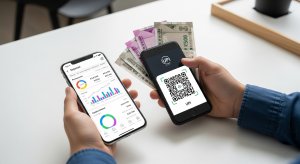

Beat the City Squeeze: Smart Strategies for Managing High Cost of Living in Indian Cities

Introduction: Navigating the Urban Financial Maze
Indian cities are vibrant hubs of opportunity, but they often come with a significant price tag. The high cost of living can feel like a constant squeeze, making it challenging to save, invest, or even meet daily expenses comfortably. If you're grappling with soaring rents, rising food prices, and increasing transportation costs, you're not alone. This guide is designed to equip you with practical, actionable strategies to manage the high cost of living in Indian cities, helping you gain control over your finances and build a more secure future. You'll learn how to effectively budget, identify key saving opportunities, and leverage smart tools to make city life more affordable.
Understanding the Drivers of High Urban Living Costs
Before we dive into solutions, it's helpful to understand what makes city life so expensive. Key factors include:
- Housing: Rent and property prices are often the biggest contributors, especially in metropolitan areas like Mumbai, Delhi, Bengaluru, and Hyderabad.
- Food and Groceries: While local markets can offer some relief, processed foods, dining out, and even basic staples can be more expensive due to logistics and demand.
- Transportation: Fuel costs, public transport fares, and vehicle maintenance add up quickly.
- Utilities: Electricity, water, and internet bills can be higher due to consumption and service charges.
- Lifestyle and Entertainment: The allure of city life often includes frequent outings, subscriptions, and leisure activities, which can drain your wallet if not managed.
Essential Strategies for Budgeting in Urban India
A solid budget is your first line of defense against the high cost of living. It helps you understand where your money goes and where you can make adjustments.
1. Track Your Expenses Religiously
You can't manage what you don't measure. Start by meticulously tracking every rupee you spend. This isn't about restriction initially, but about awareness. Categorize your spending to see patterns.
- Actionable Tip: Use a digital tool for ease. Depto Flow helps you effortlessly track income and expenses, giving you a clear, real-time picture of where your money goes across different categories. This insight is crucial for identifying areas where you can cut back without feeling deprived.
2. Mastering Housing Costs: Your Biggest Expense
Housing typically consumes the largest portion of an urban budget. Smart choices here can yield significant savings.
- Roommate Living: Sharing an apartment can drastically reduce rent and utility bills.
- Location Matters: Consider living slightly further from prime commercial hubs. While commuting might take longer, the rent savings can often outweigh the travel time and cost.
- Negotiate Rent: Don't be afraid to negotiate with landlords, especially during renewal or if you find comparable properties at a lower rate.
3. Smart Food and Groceries Management
Food is a recurring expense that offers many opportunities for savings.
- Cook at Home: Eating out, even occasionally, adds up. Meal prepping for the week can save both time and money.
- Shop Smart: Buy groceries from local markets (mandis) or wholesale stores. Plan your meals to avoid impulse purchases and reduce food waste.
- Reduce Food Delivery: While convenient, food delivery services often come with high markups and delivery fees. For more detailed strategies, check out our guide on Curbing Your Cravings: Smart Strategies to Reduce Food Delivery Expenses.
4. Optimizing Transportation Expenses
Commuting can be a significant drain, especially in traffic-heavy cities.
- Public Transport: Maximize the use of metro, local trains, and buses. Monthly passes are usually more economical than daily tickets.
- Carpooling: Share rides with colleagues or use carpooling apps to split fuel costs.
- Walk or Cycle: For shorter distances, walking or cycling is not only free but also great for your health.
5. Controlling Discretionary Spending
These are the 'wants' rather than 'needs' – entertainment, shopping, subscriptions, and leisure activities.
- Budget for Fun: Allocate a specific amount for entertainment and stick to it.
- Review Subscriptions: Cancel unused streaming services, gym memberships, or app subscriptions.
- Look for Free/Low-Cost Entertainment: Explore free city events, parks, libraries, or host potlucks with friends instead of dining out.
Practical Tips for Saving Money in the City
Beyond budgeting, these habits can further bolster your financial health.
- Build an Emergency Fund: Aim to save 3-6 months' worth of living expenses. This acts as a buffer against unexpected costs like medical emergencies or job loss.
- Negotiate Bills: Don't hesitate to call your internet provider or other service providers to negotiate better rates or packages.
- DIY When Possible: Learn basic repairs or tasks instead of always hiring professionals. From fixing a leaky tap to basic home maintenance, a little DIY can save you a lot.
- Embrace Minimalism: Before buying something new, ask yourself if you truly need it. Decluttering and reducing consumption can free up significant funds.
Putting It All Together with Depto Flow
Managing the high cost of living requires consistent effort and a clear view of your financial landscape. This is where a personal finance tool becomes invaluable. Depto Flow simplifies the process of tracking your income and expenses, helping you categorize spending, and even manage budgets. By seeing exactly where your money goes, you can make informed decisions to cut unnecessary costs and allocate funds towards your savings goals.
For instance, if you're trying to reduce your food delivery expenses, Depto Flow's expense tracking feature will clearly show you how much you're spending on outside food, empowering you to set a realistic budget for that category and stick to it.
Conclusion: Your Path to Financial Stability in the City
Living in an Indian city doesn't have to mean living paycheck to paycheck. By implementing smart budgeting strategies, making conscious choices about your spending, and leveraging the right tools, you can significantly reduce the impact of the high cost of living. Remember, every small saving adds up, and consistency is key to building financial resilience.
Your Next Step: Take control of your city finances today. Download Depto Flow to start tracking your expenses, managing your budget, and identifying areas for saving. Visit flow.depto.in/app/download-app and empower yourself with better financial management.