
Friends or Banks: Who Gets Paid First? A Smart Guide to Debt Priority
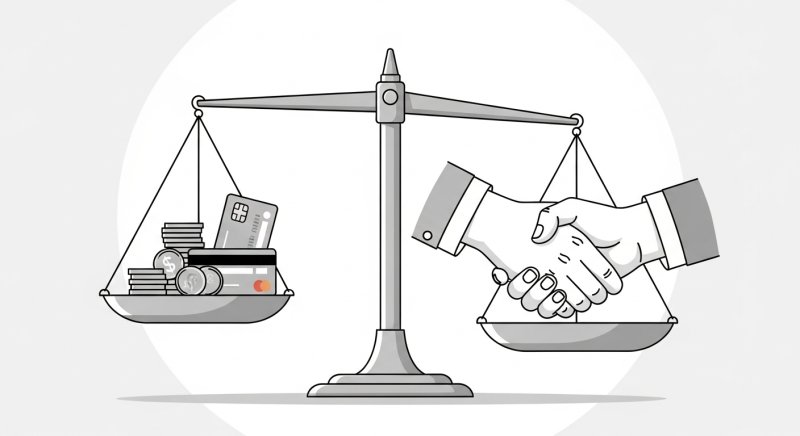
When you're juggling multiple debts, deciding who to repay first can feel like a high-stakes game. The dilemma intensifies when one of those creditors is a close friend or family member, while others are financial institutions. Do you prioritize avoiding late fees and protecting your credit score, or safeguard invaluable personal relationships? This isn't just a financial question; it's a deeply personal one that requires a thoughtful approach. In this guide, we'll break down the financial and relational implications of both choices, providing a clear framework to help you make the smartest decision for your unique situation.
Understanding the Debt Repayment Dilemma
The core of this challenge lies in balancing the tangible financial costs of bank debts (interest, fees, credit score impact) with the intangible, yet significant, costs of damaging a personal relationship. There's no single, universal answer, but by understanding the nuances of each type of debt, you can develop a strategy that minimizes negative consequences on both fronts.
Prioritizing Bank Debts: The Financial Perspective
From a purely financial standpoint, bank debts often come with more immediate and severe consequences if left unpaid. Here's why:
- Interest Rates and Fees: Debts like credit card balances, personal loans, or even some mortgages carry high interest rates. Delaying payment means you pay more over time, trapping you in a cycle of debt. Late payment fees also add up quickly.
- Credit Score Impact: Missing payments to banks, especially on loans or credit cards, directly harms your credit score. A lower credit score can make it harder to borrow money in the future, secure better interest rates, or even rent an apartment or get certain jobs.
- Legal and Collection Action: Banks have established legal processes for debt collection. Non-payment can lead to collection calls, legal judgments, wage garnishment, or even foreclosure/repossession of assets.
- Secured vs. Unsecured Debts: Some bank debts are secured (e.g., car loans, mortgages) meaning the asset itself can be repossessed if you don't pay. Unsecured debts (e.g., credit cards, personal loans) don't have collateral but still impact your credit and can lead to legal action.
Prioritizing Friends: The Relational Perspective
While financial institutions operate on contracts and regulations, debts to friends and family are built on trust and personal connection. The repercussions of not repaying a friend, while not financial in the traditional sense, can be far more damaging to your well-being.
- Damaged Relationships: Unpaid debts can severely strain or even destroy friendships and family bonds. Trust, once broken, is incredibly difficult to rebuild.
- Emotional Cost: Living with the guilt and stress of owing money to someone you care about can take a significant toll on your mental health.
- Future Support: Maintaining good financial relationships with friends and family ensures they might be willing to help you again in a true emergency. Burning these bridges can leave you isolated.
- No Interest, But Implicit Expectations: While friends rarely charge interest, there's an implicit expectation of prompt repayment to maintain goodwill and respect.
A Balanced Approach: How to Decide and Act
The best strategy involves a blend of financial prudence and relational sensitivity. Here's a step-by-step guide to help you navigate this complex decision:
Step 1: Assess All Your Debts
Start by making a comprehensive list of every debt you owe. Include:
- Who you owe (bank, friend, family member)
- Original amount
- Current outstanding balance
- Interest rate (if applicable)
- Minimum monthly payment
- Due date
- Any specific repayment terms or agreements
A key part of effective debt management is knowing exactly who you owe and how much. For a deeper dive, read our guide on how to track money borrowed from friends. Similarly, if you're the one lending, understanding what details to record when lending money can prevent future misunderstandings.
Step 2: Evaluate the 'Cost' of Each Debt
Now, weigh both the financial and relational costs:
- High-Interest Bank Debts: Prioritize these if their interest rates are significantly higher than other debts, as they cost you the most money over time.
- Secured Debts: If non-payment means losing an asset (car, home), these often require high priority.
- Relationship Importance: How critical is this relationship to you? Is the friend relying on this money? The emotional cost of damaging a close bond can outweigh a few percentage points of interest.
Step 3: Communicate Openly and Honestly
This is crucial, especially with friends and family. If you're struggling to repay, don't hide. Explain your situation, apologize for any delay, and propose a realistic repayment plan. Open communication shows respect and responsibility, often preserving the relationship even if repayment is delayed.
Step 4: Create a Repayment Plan
Based on your assessment, develop a structured plan. You might consider:
- Debt Avalanche Method: Pay off the debt with the highest interest rate first, while making minimum payments on others. This saves you the most money.
- Debt Snowball Method: Pay off the smallest debt first to gain psychological momentum, then roll that payment into the next smallest.
Re-evaluate your budget to see where you can free up funds for accelerated repayment. Our guide on how to divide your salary for expenses, savings, and goals can provide a great framework. Often, freeing up cash flow means scrutinizing your regular outgoings. Learn how to track subscriptions and recurring payments to find potential savings.
Practical Scenario: Balancing Priorities
Imagine you owe ₹50,000 on a credit card at 28% interest, ₹20,000 to a friend (no interest), and ₹10,000 on a personal loan at 12%. Your friend needs their money back for a medical emergency. In this case, while the credit card has the highest interest, the friend's urgent need and the importance of the relationship might push their repayment to a higher priority. You could pay a significant portion to your friend immediately, then focus intensely on the credit card, explaining your plan to both your friend and the bank (if needed).
The Role of Tracking in Debt Repayment
Regardless of your chosen strategy, effective debt management hinges on meticulous tracking. Knowing exactly how much you owe, to whom, when payments are due, and how much you've already repaid is fundamental. This is where tools designed for personal finance can be incredibly helpful.
Depto Flow allows you to track money lent or borrowed, record repayments, and manage pending balances with ease. By centralizing this information, you can clearly see your financial obligations, plan your payments, and maintain transparency, especially with personal loans. This ensures you never miss a payment, whether it's to a bank or a friend, helping you manage your finances responsibly and preserve your relationships.
Conclusion
The decision of whether to repay friends or banks first is a nuanced one. While the financial implications of bank debts are significant, the relational cost of not repaying a friend can be just as, if not more, impactful. By systematically assessing all your debts, understanding both financial and emotional costs, and maintaining open communication, you can craft a repayment strategy that protects both your wallet and your relationships.
Ready to take control of your debts and strengthen your financial relationships? Download Depto Flow today and simplify your debt tracking.