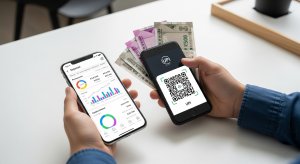

Money Manager App for Tier-2 and Tier-3 Cities: Simplified Expense Tracking

Managing daily finances in Tier-2 and Tier-3 cities comes with unique financial realities. Unlike metro residents whose transactions are almost entirely digital and corporate-salaried, individuals and families in emerging cities often navigate a mix of cash expenses, digital UPI payments, informal credit from local merchants, and money shared among family members or neighbors. Standard budgeting applications designed for Western markets or metro corporate professionals often fail to capture these distinct habits.
Finding the right money manager app requires looking beyond basic expense logging. It requires tools that handle informal debt tracking, shared household costs, cash balances, and multi-budget tracking without overwhelming technical clutter.
The Unique Financial Landscape of Non-Metro Cities
Financial management outside major metropolitan hubs relies heavily on hybrid transaction methods and community-based micro-transactions. To build true financial control, an app must adapt to how money actually flows in Tier-2 and Tier-3 towns.
- Hybrid Cash and Digital Payments: While UPI usage has skyrocketed, cash remains a primary tender for local vegetable markets, daily wage payments, auto fares, and small grocery stores. Missing cash entries skews monthly financial reports.
- Informal Credit and Lending: Keeping track of who owes what—whether it is money lent to relatives, shopkeeper credit records (Udhar), or peer-to-peer loans—is crucial. Mismanaging these lead to lost income and awkward personal conflicts.
- Family-Centric Spending: Budgets in non-metro areas are frequently collective. Parents, working adults, and siblings often pool funds for monthly provisions, home maintenance, and family events. Reading a daily expense tracker for families guide helps structure these combined obligations.
- Seasonal and Event-Based Expenses: Local festivals, weddings, school admissions, and agricultural or festive seasons create periodic spending spikes that regular monthly budgets struggle to reflect accurately.
Key Features Every Tier-2 and Tier-3 Money Manager Needs
When evaluating financial apps, look for features built around practical daily usability rather than complex investment stock tracking.
1. Cash and Digital Multi-Wallet Management
An effective tool allows you to track cash in hand separately from bank account balances. When you withdraw cash from an ATM, your app should log it as a transfer between accounts, not an expense. The actual expense occurs only when you spend those paper notes.
2. Dedicated Money Lent and Borrowed Tracking
Informal loans to friends or credit extended at local businesses can quickly drain cash reserves if unmonitored. Dedicated tracking for money lent and borrowed helps maintain clear ledger entries with pending balance visibility, ensuring you collect payables on time and settle debts promptly.
3. Simple Event and Household Budgeting
Whether organizing a family ceremony or building a kitchen budget, setting dedicated caps keeps costs from spiraling. Implementing a quick financial checkup routine, such as a 5-minute daily money manager routine, ensures every rupee logged reflects current reality without consuming your day.
How Depto Flow Meets Non-Metro Financial Needs
Depto Flow is built to solve these exact everyday tracking challenges without clutter. Instead of forcing you into complex corporate categories, Depto Flow focuses on clear, practical financial tracking that fits seamlessly into daily life in Tier-2 and Tier-3 cities.
- Complete Income and Expense Tracking: Categorize cash and digital expenses effortlessly to see exactly where your earnings go each month.
- Money Lent & Borrowed Ledger: Maintain an accurate record of money given to or taken from friends, family, or merchants, complete with repayment history and pending balance totals.
- Event Expense Management: Group transactions for specific functions, festivals, or home improvement projects to keep non-routine expenses separate from regular daily living costs.
- Simple Budget Management: Set proactive spending limits for household categories and track your progress throughout the month.
Practical Steps to Master Your Money Today
Achieving total control over your finances does not demand hours of effort. Follow these simple steps to streamline your personal or family accounting:
- Record Expenses Real-Time: Log purchases immediately after paying—whether through UPI or cash—to maintain 100% accurate balance tracking.
- Separate Event Spending: Put festival spending or home repairs into isolated event pots so they do not artificially distort your core routine expenses.
- Audit Pending Balances Weekly: Review your lent and borrowed records every week to nudge borrowers politely or clear personal liabilities.
Ready to simplify your daily record-keeping and take total control over your personal and household finances? You can download the Depto Flow app today to start tracking cash, managing debts, and staying within budget effortlessly.
Frequently Asked Questions
Why are standard budgeting apps hard to use in smaller cities?
Many global budgeting apps assume all transactions occur via credit cards or linked bank feeds, ignoring physical cash transactions, store credit, and informal lending common in Tier-2 and Tier-3 cities.
How do I manage money lent to friends or family without creating tension?
Using a clear personal money manager app provides an objective ledger of the exact dates and amounts borrowed or lent. Having precise numbers takes emotion out of discussions when requesting repayments.