

Your Essential Checklist for Stress-Free Event Expense Tracking
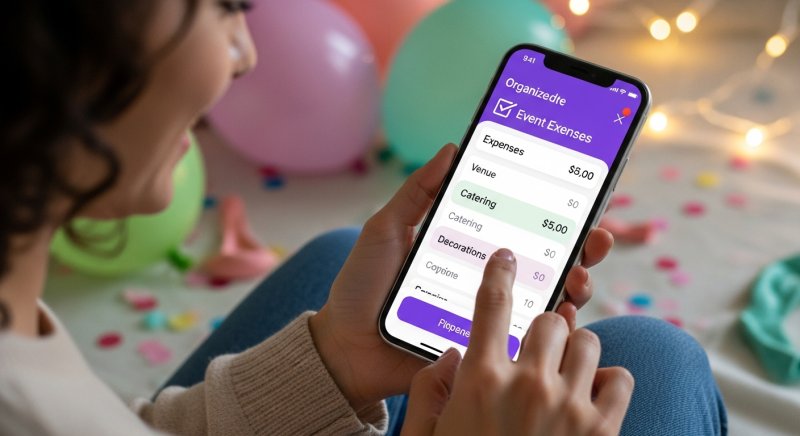
Planning any event, big or small, often comes with a financial component that can quickly become overwhelming. From a simple birthday party to a grand wedding, expenses can easily spiral out of control if not managed proactively. Without a clear system, you might find yourself over budget, unsure who paid for what, and stressed about the financial aftermath. This guide provides a complete checklist to effectively track all your event expenses, helping you stay within budget and enjoy your special occasion without financial worries.
Why Meticulous Event Expense Tracking Matters
Effective expense tracking for events isn't just about knowing where your money went; it's about control, transparency, and peace of mind. It allows you to:
- Stay Within Budget: Prevent overspending by monitoring costs against your set limits.
- Ensure Fairness: Crucial for group events where multiple people are contributing or splitting costs.
- Plan for the Future: Gain insights for better budgeting and decision-making for subsequent events.
- Reduce Stress: Eliminate financial surprises and post-event disputes.
Your Complete Event Expense Tracking Checklist
Follow these steps to keep your event finances in check:
1. Set a Realistic Budget Early
Before you book anything, determine your total spending limit. Break it down into major categories like venue, catering, decor, entertainment, and miscellaneous. This initial budget serves as your financial roadmap.
2. Categorize Every Expense
Create specific categories for all potential costs. This helps you see exactly where your money is going. Common categories include:
- Venue Rental
- Food & Beverages (Catering)
- Decorations & Supplies
- Entertainment (DJ, band, performers)
- Photography & Videography
- Invitations & Stationery
- Transportation
- Gifts & Favors
- Miscellaneous/Contingency
3. Keep All Receipts and Records
Every single transaction, no matter how small, needs a record. Use digital receipts, take photos of physical ones, or log them immediately. This is critical for accuracy and reconciling your budget later.
4. Choose Your Tracking Method
Whether it's a spreadsheet, a dedicated notebook, or a mobile app, pick a method you'll consistently use. A digital solution often makes calculations and sharing easier.
5. Assign Financial Responsibilities (for Group Events)
If it's a shared event, clearly define who is responsible for which payments or how costs will be split. This prevents confusion and potential disagreements. If you're managing a group event where friends or family contribute, you might find yourself juggling multiple small debts. Learning to Taming the Udhari Tangle: How to Master Multiple Debts with One Person can be incredibly helpful.
6. Record Expenses Immediately
The golden rule of expense tracking: record it as soon as it happens. Waiting leads to forgotten details and inaccurate records.
7. Review and Adjust Regularly
Periodically compare your actual spending against your budget. If you're over budget in one area, look for ways to cut back in another or adjust your overall plan.
Simplify Event Expense Tracking with Depto Flow
Managing event expenses, especially when multiple people are involved or when you have various categories, can be challenging. Depto Flow offers a straightforward solution to help you manage event expenses. You can easily track money lent or borrowed, record repayments, and keep an eye on pending balances, ensuring everyone is on the same page.
Conclusion
Tracking event expenses doesn't have to be a daunting task. By following this comprehensive checklist, you can maintain control over your finances, reduce stress, and ensure your event is a success without any financial surprises. The key is to be proactive, organized, and consistent.
Ready to take control of your event finances? Simplify your tracking and budgeting process by downloading Depto Flow today: https://flow.depto.in/app/download-app