
Navigating the Storm: Your Guide to Tracking Expenses During a Medical Emergency
A medical emergency can be one of the most stressful experiences a person or family faces. Beyond the immediate health concerns, the financial burden can quickly become overwhelming. From hospital bills and specialist consultations to medication costs and diagnostic tests, expenses can pile up rapidly, making it difficult to keep track. This guide will walk you through why tracking these expenses is not just helpful, but absolutely crucial, and provide practical strategies to manage them effectively, even amidst the chaos.
Why Tracking Medical Expenses is Crucial for Your Financial Well-being
When you're dealing with a health crisis, the last thing you want to think about is paperwork. However, meticulous expense tracking offers several significant benefits:
- Financial Clarity: It provides a clear picture of exactly how much you're spending, preventing financial surprises and helping you make informed decisions.
- Insurance Claims and Reimbursement: Accurate records are essential for submitting claims to your health insurance provider. Missing documentation can delay or even deny your reimbursement.
- Tax Benefits: In many regions, significant medical expenses can be eligible for tax deductions or credits. Proper documentation is required to claim these benefits.
- Budget Management: Even during an emergency, understanding your outflow helps you manage other household expenses and avoid going into deeper debt. Mastering your money, even in difficult times, starts with knowing where it goes.
- Future Planning: Analyzing past medical expenses can help you better prepare for potential future health costs and adjust your emergency fund accordingly.
Immediate Steps When a Medical Emergency Strikes
The moment a medical emergency occurs, your focus will naturally be on health. However, try to implement these financial tracking steps as soon as feasible:
- Designate a Point Person: If possible, assign one family member or trusted individual to handle all financial documentation. This streamlines the process and reduces confusion.
- Create a Dedicated Folder: Whether physical or digital, set up a specific folder to store all medical bills, receipts, prescriptions, test results, insurance communications, and appointment confirmations.
- Document Everything: Even small expenses like ambulance fees, parking, or over-the-counter pain relievers add up. Make a note of every payment, no matter how minor.
- Note Down Details: For each expense, record the date, amount, payee (hospital, pharmacy, doctor), a brief description of the service or item, and the method of payment.
Effective Methods for Tracking Medical Expenses
You have several options for tracking, depending on your comfort level with technology:
Manual Tracking
For those who prefer a tangible approach, a simple notebook and a physical folder can be highly effective. Keep all original receipts in the folder and jot down details in the notebook. This method requires discipline to ensure nothing is missed.
Digital Tracking
Digital methods offer greater organization, searchability, and often, automatic categorization. These include:
- Spreadsheets: A simple Excel or Google Sheet can be customized to track dates, descriptions, amounts, and categories.
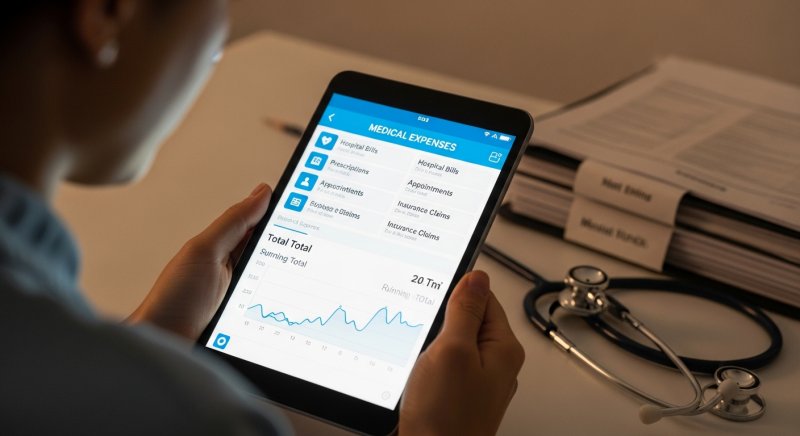
- Dedicated Expense Tracking Apps: These apps are designed specifically for financial management and can offer robust features. When choosing an app, consider its ease of use, categorization options, and, crucially, its security features. To learn more about protecting your financial data, read our guide on Are Expense Tracker Apps Safe?
Key Categories for Your Medical Expense Tracker
To ensure comprehensive tracking and easy retrieval for insurance or tax purposes, categorize your medical expenses meticulously. Here's a breakdown:
- Doctor's Consultations: Fees for general practitioners, specialists, and second opinions.
- Hospitalization Charges: Room rent, ICU charges, operation theatre fees, nursing charges, and other facility costs.
- Medications: Prescription drugs, over-the-counter medicines, and vitamins recommended by a doctor.
- Diagnostic Tests: Blood tests, X-rays, MRI scans, CT scans, and other laboratory or imaging services.
- Medical Equipment & Supplies: Crutches, wheelchairs, oxygen cylinders, bandages, syringes, and other necessary medical aids.
- Ambulance & Transportation: Costs incurred for emergency transport or travel to and from appointments, especially if it's a significant distance.
- Post-Hospitalization Care: Physiotherapy, home nursing, rehabilitation services.
- Follow-up Appointments: Subsequent visits to doctors or therapists after initial treatment.
- Caregiver Expenses: If you or a loved one requires a caregiver, their fees.
Practical Tips for Managing and Reducing Medical Costs
- Understand Your Insurance Policy: Know your deductible, co-pays, out-of-pocket maximums, and what services are covered.
- Negotiate Bills: Don't hesitate to ask hospitals or providers for an itemized bill and review it for errors. Sometimes, you can negotiate a lower price or payment plan.
- Ask for Generic Alternatives: Discuss with your doctor if generic versions of prescribed medications are available, as they are often significantly cheaper.
- Maintain an Emergency Fund: Having dedicated savings for unexpected events can significantly reduce financial stress during a medical crisis. Mastering your money by saving smart from your first salary is a great start.
Simplify Medical Expense Tracking with Depto Flow
During a medical emergency, keeping track of every bill and payment can feel overwhelming. Depto Flow's intuitive expense tracking feature allows you to quickly log all your medical costs in one place. You can easily categorize expenses as 'Medical', add detailed notes (e.g., 'hospital bill - XYZ Hospital', 'medication - specific drug name'), and even attach photos of receipts directly within the app. This ensures you have a complete, organized, and easily accessible record for insurance claims or future reference. It helps you see exactly where your money is going, providing clarity and control when you need it most.
Conclusion
While a medical emergency is inherently stressful, having a robust system for tracking expenses can significantly ease the financial burden. By meticulously documenting every cost, understanding your insurance, and utilizing effective tracking tools, you can navigate these challenging times with greater confidence and less financial anxiety. Taking control of your medical expenses means you can focus more on recovery and less on the paperwork.
For seamless and stress-free expense management during challenging times, consider using Depto Flow. Download the app today and take control of your finances: Download Depto Flow.