

Mastering School Event Finances: A Step-by-Step Guide to Tracking Expenses
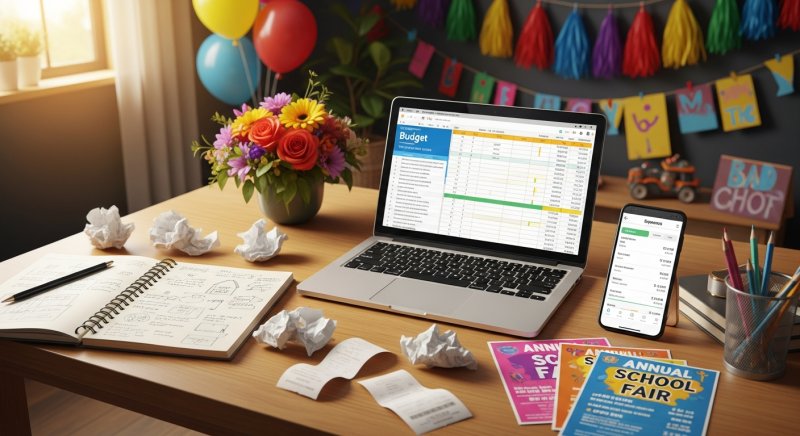
Organizing a school event, whether it's a fundraiser, prom, or sports day, often comes with a whirlwind of excitement and, inevitably, expenses. Without a solid system for tracking these costs, you risk budget overruns, confusion among organizers, and difficult reimbursement processes. This guide will walk you through effective strategies to meticulously track every penny for your next school event, ensuring transparency, accountability, and financial peace of mind.
Why Accurate Expense Tracking for School Events is Crucial
Effective expense tracking for school events isn't just about balancing a ledger; it's about ensuring the event's success and protecting its integrity. Here’s why it matters:
- Budget Adherence: Stay within allocated funds and avoid unexpected shortfalls.
- Transparency and Accountability: Provide clear financial reports to the school, parents, and stakeholders, fostering trust.
- Easier Reimbursements: Simplify the process for volunteers and staff who spend their own money.
- Future Planning: Accurate data from past events helps in budgeting and planning for future ones.
- Preventing Disputes: Clear records minimize disagreements over spending.
Setting Up Your School Event Budget: The Foundation
Before any spending begins, establish a detailed budget. This acts as your financial roadmap.
- Estimate All Potential Costs: Think broadly. This includes venue rental, catering, decorations, entertainment, permits, security, marketing materials, awards, and miscellaneous supplies. Break down large categories into smaller line items (e.g., 'Catering' might include 'Food,' 'Drinks,' 'Tableware,' 'Service Staff').
- Identify Income Sources: How will the event generate funds? Ticket sales, sponsorships, school allocated funds, donations, or grants? Project realistic income figures.
- Create a Contingency Fund: Always allocate 10-15% of your total budget for unexpected expenses. Events rarely go exactly as planned.
- Assign Budget Owners: If multiple committees or individuals are responsible for different budget areas, clearly define their spending limits and reporting responsibilities.
Choosing the Right Expense Tracking Method
The method you choose should align with your team's comfort level and the event's complexity. For a comprehensive understanding of expense tracking fundamentals, consider reading our guide on What Is Expense Tracking? A Complete Beginner's Guide to Managing Your Money.
Manual Methods: Notebooks and Spreadsheets
- Notebook: Simple for small, low-budget events. Requires diligent, immediate recording.
- Spreadsheets (Excel/Google Sheets): Offers more flexibility for categorization, calculations, and basic reporting. You can create columns for date, item, category, amount, payment method, and notes.
Pros: Low cost, easy to start. Cons: Prone to human error, can be time-consuming for larger events, difficult for multiple people to update simultaneously.
Digital Tools: Expense Tracking Apps
- Dedicated Expense Apps: Designed for efficient tracking, often with features like receipt scanning, categorization, and reporting.
Pros: Real-time updates, reduced errors, easy collaboration, automated reports, often accessible on mobile devices. Cons: May have a learning curve, some features might be subscription-based.
Practical Steps for Tracking Expenses During the Event Cycle
- Designate a Financial Lead: One person should oversee all financial aspects – collecting receipts, recording transactions, and managing the overall budget.
- Collect Every Receipt: This is non-negotiable. For every purchase, insist on a receipt. Encourage digital receipts whenever possible. If a physical receipt is the only option, take a photo immediately.
- Categorize Expenses Consistently: Use the categories you established in your budget (e.g., 'Catering - Food,' 'Decorations - Balloons,' 'Venue - Rental Fee'). This makes reconciliation much easier.
- Record Transactions Immediately: Don't wait. As soon as money is spent or received, record it. Include the date, amount, category, a brief description, and who made/received the payment.
- Manage Cash Payments Carefully: If cash is used, ensure there's a clear log of who received it, for what purpose, and how much was spent, along with any available receipts.
- Track Money Lent or Borrowed: School events often involve organizers or volunteers fronting money or lending funds to each other. Keep a separate, clear record of these transactions, including names, amounts, and repayment dates.
Reconciliation and Reporting: Bringing It All Together
Regularly compare your actual spending against your budget. This isn't a one-time task but an ongoing process.
- Weekly Reviews: Schedule dedicated time each week to review all recorded expenses against your budget.
- Identify Discrepancies: If you find a significant difference, investigate immediately. Was a receipt missed? Was an item miscategorized?
- Prepare a Final Report: After the event, compile a comprehensive financial report. This should detail total income, total expenses (categorized), profit/loss, and any outstanding reimbursements or debts. Present this to all relevant stakeholders.
Leveraging Technology for Seamless Event Expense Tracking
While spreadsheets are a good start, dedicated tools can dramatically simplify the complexities of managing school event finances, especially when multiple people are involved or when tracking money lent and borrowed.
Depto Flow offers a powerful solution specifically designed to help you manage event expenses. You can easily input each expense, categorize it, and even track any funds lent to or borrowed from volunteers or other organizers, ensuring everyone is on the same page and financial records are always up-to-date and accessible. This feature helps prevent common pitfalls like forgotten reimbursements or miscommunication about shared costs.
Ready to simplify your next school event's finances? Download Depto Flow today and take control of your event budget: Download Depto Flow.
Conclusion
Tracking expenses for a school event might seem daunting, but with careful planning, consistent recording, and the right tools, it becomes a manageable and even empowering process. By setting a clear budget, diligently capturing every transaction, and regularly reviewing your finances, you ensure transparency, minimize stress, and contribute significantly to the success of your event.
Your Next Step: Plan and Track with Confidence
Start by outlining your next event's budget and choose a tracking method that suits your needs. For a truly streamlined experience, explore how Depto Flow can help you manage all your event expenses and shared financial responsibilities effortlessly.