
Mastering Your Cash Flow: The Ultimate Guide to Tracking Cash Expenses
In a world increasingly dominated by digital payments, cash still plays a significant role in many people's daily transactions. While convenient, paying with physical money often makes it harder to keep tabs on exactly where your money goes. If you mostly pay in cash, you might find yourself wondering at the end of the month why your wallet feels lighter than expected, with no digital trail to follow. This challenge can derail even the best budgeting efforts and make it difficult to achieve your financial goals.
This guide will show you practical, effective strategies for tracking your cash expenses, ensuring every rupee, dollar, or pound is accounted for. You'll learn simple methods to gain control over your cash spending, understand your financial habits better, and integrate cash transactions seamlessly into your overall financial picture.
Why Tracking Cash Expenses is Crucial for Financial Health
Ignoring cash transactions in your budget is like trying to fill a bucket with a hole in the bottom – you'll never quite get it full. Cash spending, even small amounts, adds up quickly. Without a clear record, you miss out on a complete understanding of your spending patterns, which can lead to:
- Budget Busting: Unaccounted cash can easily push you over your spending limits in various categories.
- Financial Blind Spots: You won't know where your 'miscellaneous' cash goes, making it hard to identify areas for savings.
- Delayed Goal Achievement: Every unplanned cash outflow subtracts from funds that could go towards savings, investments, or debt repayment.
- Inaccurate Financial Picture: For individuals, families, or even small businesses, a lack of cash tracking means an incomplete and misleading view of overall financial health.
Common Challenges When Paying with Cash
It's easy to see why cash tracking can be tricky. Unlike card transactions, there's no automatic digital record. Receipts can get lost, crumpled, or simply not provided for smaller purchases. Relying on memory is unreliable, especially when you have multiple cash transactions throughout the day. The perceived 'invisibility' of cash can also lead to a more relaxed attitude towards spending it, making disciplined tracking even more important.
Effective Strategies for Tracking Every Cash Outflow
Don't let the lack of a digital footprint deter you. Here are several practical methods you can use to track your cash expenses:
1. The Receipt System: Your First Line of Defense
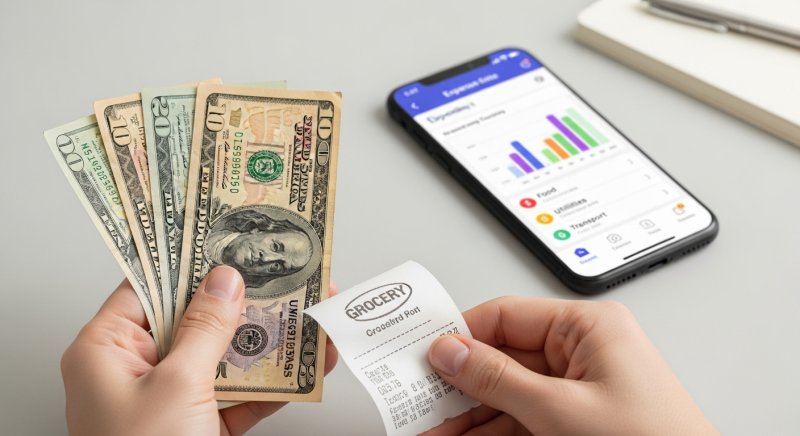
Make it a habit to ask for a receipt for every cash purchase, no matter how small. Immediately after receiving it:
- Designate a Spot: Keep a small envelope, wallet compartment, or even a ziplock bag specifically for cash receipts.
- Categorize on the Go: If possible, quickly jot down the expense category (e.g., 'Groceries', 'Transport', 'Coffee') on the receipt itself.
- Weekly Reconciliation: At the end of each week, gather all your receipts and manually enter them into your preferred tracking system (a spreadsheet, notebook, or a dedicated app).
2. The Small Notebook Method
For those who prefer a low-tech approach, a small, pocket-sized notebook can be incredibly effective. Carry it with you everywhere and make a quick entry immediately after every cash transaction:
- Date: When did you spend the money?
- Amount: How much did you spend?
- Description: What did you buy? (e.g., 'Lunch at cafe', 'Bus fare', 'Newspaper')
- Category: Which budget category does it fall under?
This immediate recording prevents forgetfulness and ensures accuracy. Review and transfer these entries to a more permanent system weekly.
3. Leverage Digital Expense Tracking Apps (Even for Cash!)
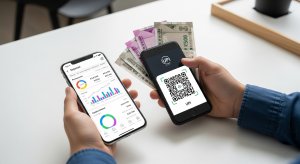
This is where technology truly shines, bridging the gap between physical cash and digital records. Modern apps to track income and expenses together are designed to make logging cash transactions quick and effortless.
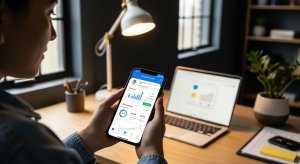
For instance, Depto Flow allows you to manually add expenses in real-time. You simply open the app, select 'Add Expense', input the amount, choose a category, and specify 'Cash' as the payment method. This immediate entry digitally records your cash spending, making reconciliation simple. It's like having your personal accountant in your pocket, ensuring every cash outflow is captured and categorized, giving you a comprehensive overview of your financial activities.
4. The Envelope System (with a Twist)
Traditionally, the envelope system involves allocating cash to different spending categories (e.g., 'Groceries', 'Entertainment') in separate envelopes. While excellent for budgeting, you can adapt it for tracking:
- Withdraw Category-Specific Cash: Decide how much cash you need for specific categories for the week or month.
- Track as You Spend: Instead of just spending from the envelope, make a note in a small logbook or directly in an app like Depto Flow as you remove cash for a purchase.
- Remaining Cash: The money left in each envelope at the end of the period tells you exactly how much you have remaining in that budget, and by extension, how much you spent.
5. Daily or Weekly Reconciliation
Consistency is key. Set aside a specific time each day or week (e.g., every evening, or Sunday afternoon) to review your cash expenditures. This involves:
- Gathering Data: Collect all your receipts, check your notebook entries, or review your app's temporary entries.
- Logging & Categorizing: Input all cash transactions into your primary financial tracking system.
- Comparing to Budget: See how your cash spending aligns with your budget for each category. This regular check-in helps you catch discrepancies early and adjust your spending habits if needed.
Remember, maintaining essential financial records, including your cash transactions, is fundamental to sound financial planning.
Practical Scenario: A Week of Cash Tracking
Imagine Sarah, who uses cash for her daily coffee, bus fare, and occasional market purchases. She decides to use the Depto Flow app for tracking:
- Monday: Buys coffee for $3.50. Immediately opens Depto Flow, taps 'Add Expense', enters 3.50, selects 'Food & Drink', and chooses 'Cash'.
- Tuesday: Takes a bus for $2.75. Logs it in Depto Flow under 'Transport', 'Cash'.
- Wednesday: Buys fresh vegetables at the local market for $15.00. Logs it under 'Groceries', 'Cash'.
- Thursday: Another coffee for $3.50. Logs it again.
- Friday: Lunch with a friend, pays her share in cash, $12.00. Logs it under 'Dining Out', 'Cash'.
By Sunday, Sarah can easily pull up a report in Depto Flow showing her total cash spending for the week, categorized. This gives her clear insights into where her cash went, allowing her to adjust her budget for the following week if necessary. This simple, consistent habit makes a huge difference.
Take Control of Your Cash Today
Tracking cash expenses doesn't have to be a chore. By adopting one or a combination of these strategies, you can gain clarity and control over every penny you spend. This newfound awareness empowers you to make smarter financial decisions, stick to your budget, and move closer to your financial goals.
Ready to simplify your expense tracking, including those elusive cash transactions? Depto Flow's intuitive interface makes it easy to log every expense, manage budgets, and gain a clear picture of your finances. Download Depto Flow today and start mastering your money with confidence.