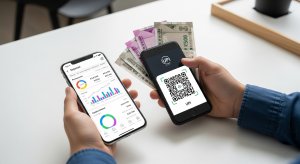

Your Essential Monthly Expense Tracking Checklist for Beginners

Unlock Financial Clarity: A Beginner's Guide to Tracking Monthly Expenses
Do you ever wonder where your money goes each month? For many, the answer remains a mystery, leading to financial stress and missed savings opportunities. Getting a handle on your finances starts with understanding your spending. This guide provides a simple, actionable monthly expense tracking checklist designed specifically for beginners. By the end, you'll have a clear roadmap to monitor your income and outgoings, gain financial clarity, and take control of your money.
Why Tracking Your Monthly Expenses Matters
Expense tracking isn't about restricting yourself; it's about empowerment. When you know exactly where your money is going, you can make informed decisions, identify areas for saving, and work towards your financial goals. It's the foundation for effective budgeting, debt reduction, and wealth building. Without tracking, you're essentially navigating your financial journey blindfolded.
The Essential Monthly Expense Tracking Checklist for Beginners
Ready to bring order to your finances? Follow this step-by-step checklist to establish a consistent and effective expense tracking habit.
Step 1: Gather Your Financial Data
Before you can track, you need to know what you've spent. Collect all financial records from the past month:
- Bank Statements: For debit card transactions and automated payments.
- Credit Card Statements: For all credit card purchases.
- Cash Receipts: Any physical receipts for cash purchases. If you don't have receipts, try to recall and note down cash expenses daily.
- Digital Records: Emails for online purchases, payment app histories (e.g., UPI, digital wallets).
Step 2: Choose Your Tracking Method
The best method is one you'll stick with. Consider these popular options:
- Pen and Paper: Simple and straightforward. Keep a small notebook dedicated to your expenses.
- Spreadsheet: Offers more flexibility for categorization and analysis (e.g., Google Sheets, Excel).
- Expense Tracking App: Often the most convenient, automating much of the process. Apps like Depto Flow allow you to quickly record transactions on the go, categorize them, and get instant insights into your spending. They are designed to simplify the entire process, making it ideal for beginners. If you're looking for an app that prioritizes your privacy, you might also be interested in learning how to track your spending without an account.
Step 3: Categorize Your Spending
Grouping your expenses helps you understand where your money is flowing. Common categories include:
- Housing: Rent/Mortgage, utilities (electricity, water, gas), internet.
- Transportation: Fuel, public transport, vehicle maintenance, loan payments. (Calculating your monthly two-wheeler expenses can be a great starting point here.)
- Food: Groceries, dining out, coffee.
- Personal Care: Haircuts, toiletries, gym memberships.
- Entertainment: Movies, subscriptions, hobbies.
- Debt Payments: Loan EMIs (personal, education, home), credit card payments.
- Savings/Investments: Contributions to savings accounts, mutual funds, etc.
- Miscellaneous: Anything that doesn't fit neatly elsewhere.
It's helpful to distinguish between fixed expenses (rent, loan EMIs – generally the same amount each month) and variable expenses (groceries, entertainment – amounts fluctuate).
Step 4: Record Every Transaction
Consistency is crucial. Make it a habit to record every single expense, no matter how small. A coffee here, a snack there – these small amounts add up quickly. If you're using an app, this can be as simple as a few taps after each purchase. For cash transactions, try to record them immediately or at the end of the day before you forget.
Step 5: Review and Analyze Monthly
At the end of each month, dedicate time to review your spending. Look for patterns:
- Which categories are consuming the most?
- Are there any unexpected expenses?
- Where could you potentially cut back without sacrificing your quality of life?
This review is where the real insights emerge, helping you understand your financial behavior.
Step 6: Adjust Your Budget (If You Have One)
If you're already budgeting, use your expense tracking insights to refine it. If not, this is the perfect time to start. A budget is simply a plan for your money. Your tracking data shows you what's realistic. For families, creating a budget together can be highly effective. Learn how to master your money together with a family monthly budget.
Practical Example: A Month in Spending Snapshot
Imagine you review your expenses for the month and find:
- Income: ₹50,000
- Fixed Expenses: Rent (₹15,000), Loan EMI (₹5,000), Utilities (₹2,500) = ₹22,500
- Variable Expenses: Groceries (₹8,000), Dining Out (₹4,000), Transportation (₹3,000), Entertainment (₹2,000), Personal Care (₹1,500) = ₹18,500
- Total Expenses: ₹22,500 + ₹18,500 = ₹41,000
- Remaining: ₹50,000 - ₹41,000 = ₹9,000
From this snapshot, you see ₹9,000 is left. You might decide to allocate ₹7,000 to savings and use the remaining ₹2,000 for a small discretionary fund next month. Without tracking, this ₹9,000 might have simply vanished.
Common Challenges and How to Overcome Them
- Forgetting to Record: Set daily reminders on your phone or make it a habit to record expenses before bed. Using a mobile app simplifies this significantly.
- Feeling Overwhelmed: Start small. Focus on just 2-3 major categories first, then gradually add more.
- Cash Transactions: Always ask for a receipt, or immediately note down the amount and category in a small notebook or your tracking app.
How Depto Flow Simplifies Your Expense Tracking Journey
For beginners, the idea of manually tracking every rupee can seem daunting. This is where a dedicated tool like Depto Flow becomes invaluable. Depto Flow helps you easily track all your income and expenses, allowing you to categorize them instantly as you spend. This feature streamlines the entire process, giving you a clear overview of your financial inflows and outflows without the hassle of spreadsheets or paper records. It transforms a potentially complex task into a simple daily habit.
Conclusion: Your Path to Financial Freedom Starts Now
Tracking your monthly expenses is a fundamental step towards achieving financial peace of mind. It's not about perfection, but about consistent effort and gaining awareness. By following this beginner's checklist, you'll uncover hidden spending patterns, identify opportunities to save, and ultimately take charge of your financial future. Start today, and watch your financial clarity grow.
Ready to put this checklist into action? Download Depto Flow to simplify your expense tracking and budgeting. Get started on your journey to financial control by trying Depto Flow today at https://flow.depto.in/app/download-app.