
Personal Finance Expense Tracker for Beginners: How to Start Tracking Money Effortlessly
Why Expense Tracking Feels Hard (and How to Make It Easy)
Most beginners stop tracking their money within two weeks of starting. It usually starts with good intentions: you promise to record every cup of coffee and utility bill. But after forgetting a few transactions, the ledger falls behind, guilt sets in, and the effort stops entirely.
Tracking expenses is not about restricting your lifestyle or analyzing every penny to punish yourself. It is simply about visibility. When you know where your money goes, you gain total control over your financial choices. This guide breaks down how to set up your first personal finance expense tracker without getting overwhelmed by complex systems.
Choose Your Tracking Method: Apps vs. Spreadsheets vs. Paper
Before recording your first dollar, select a tool that fits your routine. The best system is the one you will actually use every day.
| Method | Best For | Pros | Cons |
|---|---|---|---|
| Digital Expense Apps | On-the-go tracking & quick inputs | Automated totals, instant search, simple categories | Requires smartphone access |
| Spreadsheets (Excel / Sheets) | Customizers & desktop users | Full flexibility, deep analytical formulas | Manual data entry, hard to update on mobile |
| Pen and Notebook | Tactile learners & digital detoxers | Zero learning curve, high intentionality | No automatic totals or backups |
5 Steps to Set Up Your First Expense Tracker
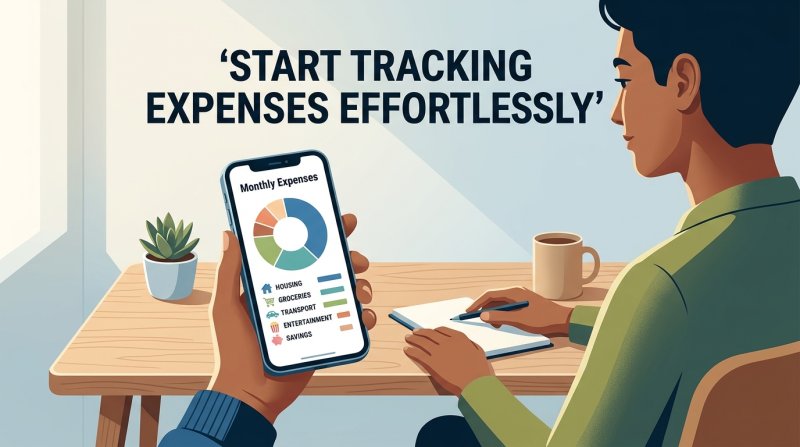
1. Select 5 to 7 Core Expense Categories
Too many categories create friction. Start broad with essential buckets:
- Housing & Utilities: Rent, electric, internet, water.
- Food & Groceries: Supermarket runs and dining out.
- Transportation: Fuel, public transit, car maintenance.
- Personal & Lifestyle: Subscriptions, entertainment, shopping.
- Debt & Savings: Credit card payments, emergency fund contributions.
2. Decide Your Logging Frequency
Logging purchases immediately takes less than 30 seconds. If you wait until the end of the month, gathering receipts feels like an unwanted homework assignment. Pair your logging with an established habit, such as right after buying lunch or during a quick 5-minute daily money manager routine before bed.
3. Track Gross Income and Net Cash Flow
Knowing what you spend matters only when compared against what you earn. Record fixed income alongside variable earnings like side hustles or cash back. If your monthly earnings fluctuate, check out our dedicated guide on choosing an expense tracker for freelancers with variable income.
4. Set Weekly Micro-Reviews
At the end of each week, spend five minutes looking at your totals. Ask three straightforward questions:
- Did I spend more than expected on non-essentials?
- Are there forgotten subscription charges running in the background?
- Am I on track to meet my monthly savings targets?
Reviewing progress in short intervals prevents end-of-month surprises. Following a practical daily personal finance review checklist keeps your financial numbers accurate.
5. Adjust Without Self-Judgment
Going over budget in one category is normal when you start out. Use tracking as neutral feedback rather than personal failure. Reallocate money from non-essential spending to cover unexpected costs, then refine your budget estimates for next month.
3 Avoidable Mistakes Beginner Trackers Make
- Categorizing Too Granularly: Creating separate categories for "Coffee," "Fast Food," and "Dinner" makes logging tedious. Group them under "Food & Dining."
- Ignoring Cash Purchases: Small cash transactions add up quickly. Record cash spent immediately before forgetting the amount.
- Waiting for Perfection: You do not need complex accounting formulas to manage money well. Consistency matters far more than detailed formatting.
Streamline Your Money Management with Depto Flow
If spreadsheets feel slow and paper notes get lost, a modern mobile solution makes routine financial management effortless. Depto Flow provides an intuitive expense tracking system built for fast entries and clear visibility. With real-time income tracking, budget management, and intuitive debt logging, you can easily track shared expenses and maintain total control over your net cash flow right from your phone.
Frequently Asked Questions
How long does it take to get used to tracking expenses?
Most people build a consistent logging habit within 14 to 21 days. Starting with quick daily check-ins helps make logging feel automatic.
Should I track small purchases like coffee or transit fares?
Yes. Small daily expenses often add up to a significant portion of unassigned spending. Recording them gives you an honest look at daily cash flow.
What should I do if I forget to track expenses for a few days?
Check your banking app or card statements to fill in the missing transactions. Avoid stressing over minor gaps—simply record what you find and resume tracking today.
Conclusion: Start Building Your Financial Visibility Today
Expense tracking isn't about restriction; it's about making intentional choices with your money. Start simple: choose standard categories, log transactions daily, and review your numbers weekly. To make expense tracking friction-free, download Depto Flow today and take command of your financial future.