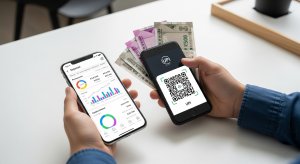

Mastering Your Micro-Transactions: A Guide to Tracking Small Cash and UPI Payments
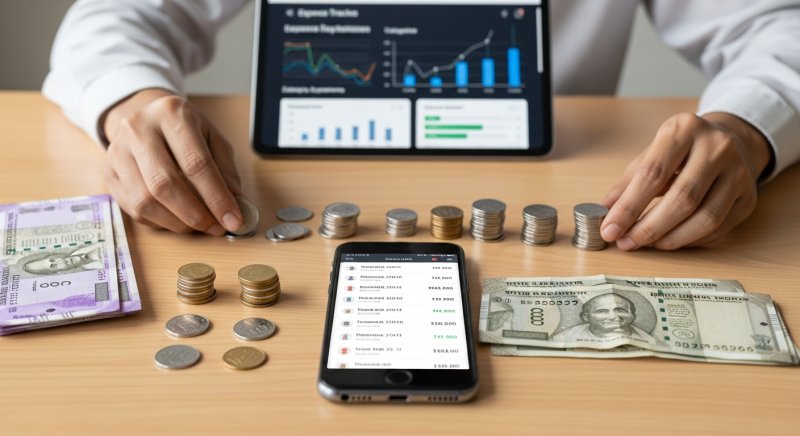
Introduction: The Hidden Drain of Small Payments
Do small cash purchases or quick UPI transactions often slip through your financial tracking? Many people overlook these 'micro-transactions,' thinking they're too insignificant to bother with. However, these seemingly minor expenses—a roadside snack, a quick auto-rickshaw fare, or a small online payment—can add up surprisingly fast, creating significant holes in your budget and leaving you wondering where your money went. This guide will show you practical, effective strategies to track both your small cash payments and UPI transactions together, helping you gain complete control over your spending and achieve your financial goals.
Why Tracking Small Payments is Crucial for Financial Health
Ignoring small transactions is like having a tiny leak in a bucket; individually, each drip seems harmless, but together they can empty the bucket. In personal finance, this 'drip-drip' effect of untracked small payments can severely impact your financial well-being. Here's why paying attention to every rupee matters:
- Budget Adherence: Your budget is a roadmap for your money. If a significant portion of your spending goes untracked, your budget becomes inaccurate, making it impossible to stick to your financial plan. Understanding where every rupee goes, even the small ones, is fundamental to mastering your money, especially with irregular income.
- Identifying Spending Leaks: Small, frequent purchases often reveal unconscious spending habits. Tracking them can highlight areas where you might be overspending without realizing it, such as daily coffee runs or impulse buys.
- Accurate Financial Overview: For a true picture of your financial health, you need a comprehensive record of all your income and expenses. Untracked small payments distort this view, leading to misinformed financial decisions.
- Saving and Goal Achievement: Every rupee saved from identifying and plugging spending leaks can be redirected towards your financial goals, whether it's saving for a down payment, an emergency fund, or a vacation.
The Unique Challenges of Tracking Small Cash and UPI Payments
While the importance of tracking is clear, cash and UPI payments present their own unique hurdles:
- Cash: The Invisible Money: Once cash leaves your wallet, there's no digital trail. Receipts for small cash transactions are often not given or easily discarded, making it hard to remember where the money went.
- UPI: Convenience vs. Record-Keeping: UPI's instant nature is a double-edged sword. While incredibly convenient, the sheer volume of small, quick transactions can make it difficult to manually log each one. Relying solely on your banking app's history can be cumbersome, as it's not designed for detailed budgeting and categorization.
- The 'Too Small to Matter' Mindset: This is perhaps the biggest psychological barrier. People often rationalize that a ₹20 tea or a ₹50 snack isn't worth logging, leading to a cumulative blind spot in their finances.
Effective Strategies for Tracking Small Cash Payments
Bringing cash spending into your financial picture requires discipline and a few simple systems:
1. The Dedicated Wallet or Envelope System
Designate a small portion of your cash for specific categories, like 'daily expenses' or 'fun money.' Once that cash is gone, you know you've hit your limit for that category. This method creates a clear boundary for your spending.
2. The Mini-Notebook or Phone Note Pad
Carry a small notebook or use a note-taking app on your phone. Immediately after a cash transaction, jot down the amount and what it was for. This takes only a few seconds and provides a reliable record. Try to categorize it roughly on the spot (e.g., 'Food - Tea', 'Transport - Auto').
3. Daily Cash Reconciliation
At the end of each day, take five minutes to review your remaining cash and recall your expenditures. This helps reinforce the habit and ensures you don't forget transactions from earlier in the day. Compare your starting cash with your ending cash plus recorded expenses to see if they match.
4. Request Receipts (Where Possible)
Even for small purchases, if a receipt is offered, take it. These can be quickly snapped with your phone camera or kept in a designated pocket for later entry into your tracking system.
Streamlining the Tracking of UPI Payments
UPI transactions leave a digital footprint, but making that data useful for budgeting requires a different approach:
1. Leverage Your UPI App's Transaction History (with a caveat)
Most UPI apps provide a transaction history. While useful for verification, manually exporting and analyzing this data for budgeting purposes can be tedious. It also typically lacks the robust categorization features found in dedicated expense trackers.
2. Screenshot and Log Immediately
After a UPI payment, quickly take a screenshot of the confirmation page. Later, you can use these screenshots to log the details into your expense tracker. Better yet, if you're using a tracking app, log it directly as soon as the transaction is complete.
3. Integrate with Expense Tracking Apps
The most efficient way to manage UPI transactions is through an expense tracking app that allows quick entry. Some apps offer features like SMS parsing (with user permission) or direct integration to pull transaction data, though manual entry for specific categorization often remains key for granular control.
4. Create Specific UPI Categories
When logging UPI transactions, be specific with your categories. Instead of just 'Food', try 'Restaurant Meals' or 'Groceries'. This level of detail helps you understand your spending patterns better. For students, understanding essential expense categories can be particularly helpful.
The Unified Approach: Tracking Both Together
The real power comes from bringing both cash and UPI transactions into a single, cohesive tracking system. This eliminates financial blind spots and gives you a holistic view of your spending.
1. Choose a Single, Reliable Tracking Method
Whether it's a spreadsheet, a dedicated notebook, or a mobile expense tracker, commit to one system for all your expenses. Consistency is key.
2. Standardize Your Categories
Use the same set of expense categories for both cash and UPI payments. This ensures that your data is comparable and meaningful. For instance, 'Transportation' could include both a cash auto-fare and a UPI ride-share payment.
3. Establish a Regular Logging Routine
Make logging expenses a daily habit. It's much easier to recall and input a few transactions each day than to try and remember a week's worth of spending. Set a reminder on your phone for a specific time each day, perhaps after dinner or before bed.
4. Review Your Spending Regularly
Beyond daily logging, dedicate time each week or month to review your aggregated spending. This helps you see trends, identify areas for improvement, and adjust your budget as needed. A thorough end-of-month budget review is a powerful habit for financial control.
How Depto Flow Simplifies Tracking Small Payments
This is where a robust expense tracker like Depto Flow becomes invaluable. Instead of juggling multiple apps or relying on memory, Depto Flow allows you to quickly log both your cash and UPI expenses in one place. You can categorize each transaction, whether it's your morning coffee paid with cash or a quick grocery purchase via UPI, giving you a comprehensive view of where every rupee goes. You can even track money lent or borrowed, and record repayments, which often involve small, frequent cash or UPI transfers. This integrated approach simplifies expense tracking, making it easier to stick to your budget and understand your true spending habits.
Practical Tips for Consistency and Accuracy
- Start Small: Don't aim for perfection on day one. Begin by tracking just one category, like food, and gradually expand.
- Be Honest: Don't omit transactions because you feel guilty about them. The goal is awareness, not judgment.
- Use Reminders: Set daily alarms or calendar notifications to prompt you to log your expenses.
- Keep it Simple: Overly complex systems are hard to maintain. Choose a method that feels easy and natural for you.
- Don't Get Discouraged by Missed Entries: Everyone forgets sometimes. Just pick up where you left off; a partial record is better than no record.
Conclusion: Every Rupee Counts
Tracking small cash and UPI payments might seem like a minor detail, but it's a cornerstone of effective personal finance. By implementing consistent tracking strategies, you transform invisible leaks into actionable insights, empowering you to make informed decisions about your money. Gaining control over these micro-transactions is a significant step towards achieving your broader financial goals and building a secure financial future.
Ready to take control of your small payments and overall finances? Download Depto Flow today and start tracking your income and expenses with ease, ensuring every rupee is accounted for.