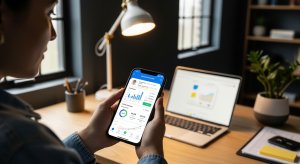

Daily Expense Tracker for Housewives: How to Master Household Cash Flow

Managing household cash flow is a full-time management role. Between weekly grocery runs, utility payments, domestic help wages, and unexpected repairs, home spending moves rapidly. Without a clear recording system, money seems to vanish into thin air by the third week of the month.
A dedicated daily expense tracker provides complete clarity over household cash flow. It turns vague estimates into accurate numbers, allowing homemakers to budget confidently, cut unnecessary leaks, and build real savings for family goals.
The Unique Challenges of Household Expense Tracking
Household budgeting differs significantly from personal or corporate financial management. Homemakers deal with a high volume of small, frequent cash and digital transactions. A typical day might involve paying cash to the vegetable vendor, transferring money via mobile payments for milk deliveries, purchasing school supplies, and setting aside advance wages for domestic staff.
Because these micro-transactions happen constantly, tracking them at the end of the month from bank statements is almost impossible. Cash payments leave no digital footprint, leading to untracked spending and end-of-month budget shortfalls. Implementing a structured daily tracking method ensures every coin is accounted for.
How a Daily Expense Tracker Transforms Home Finances
Using a daily expense tracker isn't about restricting spending; it is about gaining clarity and control. Here is how daily tracking strengthens household financial health:
- Eliminates Cash Leakage: Unrecorded daily cash purchases account for up to 20% of monthly household leaks. Daily logging captures these transactions immediately.
- Prevents Month-End Surprises: Tracking daily spending against fixed category budgets alerts you before you overspend on groceries or entertainment.
- Simplifies Shared Family Expenses: Clear records make it easy to report household spending to spouses or family members, reducing miscommunication and financial anxiety. Understanding how a money manager app reduces financial stress can help put family finances on autopilot.
- Tracks Short-Term Loans and Advances: Managing payments like salary advances to help or short-term neighborhood cash loans requires meticulous balance tracking to ensure zero loss.
5 Practical Steps to Track Daily Household Expenses
Building a daily tracking routine takes less than three minutes a day when structured correctly. Follow this practical framework to keep your home finances organized:
1. Define Your Core Spending Categories
Avoid overly complicated categories. Group your household expenses into 5 to 7 primary buckets:
- Groceries & Food: Fresh produce, dairy, staples, and daily pantry runs.
- Utilities & Bills: Electricity, gas, internet, mobile recharges, and water bills.
- Domestic Staff & Services: Salaries, maid advances, driver wages, and maintenance fees.
- Family & Children: School fees, tuition, books, clothes, and extracurricular activities.
- Healthcare & Personal Care: Medicines, doctor visits, grooming, and cosmetics.
- Misc & Cash Reserve: Emergency repairs, local transit, and casual gifts.
2. Log Expenses Immediately
The golden rule of accurate expense tracking is real-time logging. Record payments immediately after buying groceries or paying cash to a delivery agent. Waiting until evening increases the likelihood of forgetting small cash transactions.
3. Track Borrowed and Lent Money Separately
Homemakers frequently handle small loans, advance salary requests from domestic workers, or temporary split expenses with neighbors and relatives. Mixing these cash flows with regular expenses distorts your true budget. Maintain a clear log of money lent, pending balances, and repayments so nothing gets overlooked. For families managing shared bills or extended household costs, reviewing splitwise alternatives for Indian families provides useful frameworks for group expense management.
4. Set Practical Category Budgets
Assign realistic spending caps to each category based on past bills. If groceries usually cost a fixed amount monthly, set a weekly target limit. Checking your category balances mid-week helps you adjust spending before exceeding limits.
5. Conduct a 5-Minute Weekly Financial Review
Set aside five minutes every Sunday to review weekly totals. Compare spending against your targets, identify unnecessary impulse purchases, and allocate remaining funds directly into savings.
Managing Household Cash Flow Effortlessly with Depto Flow
While notebooks and paper registers work, digital tools eliminate tedious manual math. Depto Flow offers a clean, practical solution tailored for daily expense tracking without unnecessary complexity.
With built-in Expense Tracking and flexible Budget Management, you can categorize daily purchases instantly and monitor category limits in real time. The app features dedicated Money Lent & Borrowed Tracking, allowing you to record advance salary payments to domestic staff, track pending balances, and monitor repayments accurately without confusing your main monthly budget.
If you manage community events, festive gatherings, or family functions, Depto Flow’s Event Expense Management keeps shared event costs completely organized in one place.
Frequently Asked Questions
How do I handle cash payments accurately in an expense tracker?
Create a dedicated 'Cash Wallet' balance in your tracker. Log cash withdrawals as transfers into this wallet, then deduct actual expenses as they occur. This keeps your physical cash and digital balance synchronized.
What should I do if I forget to log expenses for a few days?
Check your digital banking, transaction history, or receipts to backdate purchases. For untracked cash, estimate the difference and log it under 'Uncategorized Cash' to keep your total balances aligned without stressing over minor details.
Should household expense tracking include long-term investments?
Focus daily trackers primarily on short-term liquid cash flows, recurring bills, and operational expenses. Record long-term investments like insurance policies, retirement funds, or fixed deposits separately during monthly financial planning reviews.
Take Control of Your Household Financial Future
Consistently tracking daily household expenses provides complete visibility over where your money goes, eliminating financial uncertainty and creating opportunities for real savings. Start with clean spending categories, log transactions in real time, and keep money lent or borrowed clearly separated from core family expenses.
To make daily expense tracking fast and stress-free, download Depto Flow today and take full command of your household cash flow.