
Decoding Your Wallet: What Your Spending History Reveals About Your Money Habits
Ever wonder where all your money goes? You’re not alone. Many people feel like their hard-earned cash vanishes into thin air, leaving them puzzled at the end of the month. The truth is, your money isn't just disappearing; it's telling a story – the story of your spending habits. By understanding this narrative, you gain incredible power to take control of your finances.
This article will guide you through the fascinating world of your spending history. We'll explore what it is, why it's a crucial tool for financial health, and how to effectively analyze it. You'll learn to identify patterns, pinpoint financial leaks, and transform those insights into actionable strategies for better money management. Get ready to turn confusion into clarity and build a stronger financial future.
What is Spending History and Why Does It Matter?
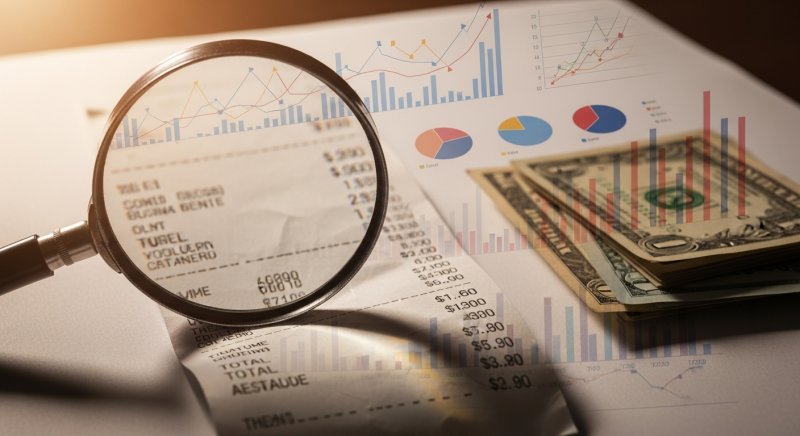
Simply put, your spending history is a detailed record of every rupee, dollar, or euro you've spent over a period. It includes everything from your morning coffee to your monthly rent, utility bills, shopping sprees, and loan repayments. Think of it as a financial diary, meticulously documenting where your money has flowed.
But why is this historical data so important? Because it provides undeniable evidence of your actual financial behavior, not just what you think your behavior is. Without looking at your past spending, you're essentially driving blind. Your spending history helps you:
- Identify True Priorities: See where your money genuinely goes, revealing if your spending aligns with your values and goals.
- Spot Problem Areas: Easily detect overspending in certain categories, unnecessary subscriptions, or impulse purchases that add up.
- Create Realistic Budgets: Instead of guessing, you can base your future budgets on accurate, real-world data from your past spending.
- Track Progress: Monitor how your spending habits change over time as you implement new financial strategies.
- Plan for the Future: Understand seasonal variations in spending (e.g., holiday gifts, summer travel) to better prepare for them.
Unmasking Your Money Personality: What Your Data Reveals
Your spending history is a mirror reflecting your unique "money personality." Analyzing it can uncover surprising insights:
- The Impulse Buyer: Do you see frequent small purchases from online stores or convenience stores? These can be a sign of impulse spending, chipping away at your budget without you realizing it.
- The Subscription Hoarder: A long list of recurring charges for streaming services, apps, or gym memberships you rarely use points to subscription creep.
- The Under-Budgeter: Consistently exceeding your self-imposed limits in categories like groceries or dining out indicates your budget might not be realistic, or you're underestimating actual costs.
- The "Hidden Leak" Spender: Small, seemingly insignificant transactions (like daily snacks, extra coffee, or micro-transactions in games) can accumulate into significant amounts over a month.
- The Goal-Oriented Saver (or lack thereof): A clear pattern of consistent savings contributions (or the absence of them) directly shows your commitment to future financial goals.
Understanding these patterns is the first step towards making conscious changes.
How to Analyze Your Spending History (Step-by-Step)
Ready to dive into your data? Here’s a practical approach:
- Gather Your Data: Collect bank statements, credit card statements, and any records from expense tracking apps for the last 3-6 months. The longer the period, the more accurate your insights will be.
- Categorize Your Expenses: Group similar transactions. Common categories include:
- Housing (rent/mortgage, utilities)
- Transportation (fuel, public transport, car maintenance)
- Food (groceries, dining out, coffee)
- Personal Care (haircuts, toiletries)
- Entertainment (movies, hobbies, nights out)
- Debt Payments (loans, credit cards)
- Savings/Investments
- Miscellaneous (things that don't fit neatly elsewhere)
- Identify Trends: Look for recurring patterns. Do you spend more on dining out on weekends? Is there a particular month where utilities spike? Are your grocery bills consistent or highly variable?
- Spot Outliers: Note any unusually large or one-off expenses. These might be legitimate (e.g., car repair) but can skew your average spending if not accounted for.
- Calculate Averages: Determine your average monthly spending for each category. This gives you a baseline for future budgeting. For example, if you spend ₹15,000 on groceries one month, ₹12,000 the next, and ₹18,000 the third, your average is ₹15,000.
- Compare and Reflect: How does your actual spending compare to what you thought you were spending? Are there any surprises? This reflection is key to understanding your true money habits.
Turning Insights into Action: Improving Your Money Habits
Analysis without action is just data. Here’s how to use your newfound insights to improve your financial life:
- Set Realistic Budgets: Use your average spending in each category as a starting point. Adjust down where you want to save, but be realistic to avoid feeling deprived. If you consistently spend ₹15,000 on groceries, don't budget ₹10,000 overnight.
- Cut the Fat: Identify categories where you consistently overspend or where expenses don't align with your values. Can you reduce dining out? Cancel unused subscriptions? Shop smarter for groceries?
- Prioritize Goals: If your spending history shows little to no savings, make a conscious effort to allocate funds towards your financial goals, whether it's an emergency fund, a down payment, or retirement.
- Plan for Irregular Expenses: Use your spending history to anticipate annual or semi-annual costs (e.g., insurance premiums, car service, holiday gifts) and set aside money for them monthly.
- Track Progress Consistently: The work doesn't stop after the initial analysis. Regularly review your spending to ensure you're sticking to your new habits and making adjustments as needed.
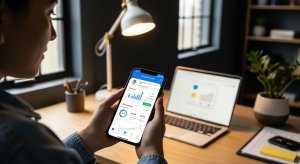
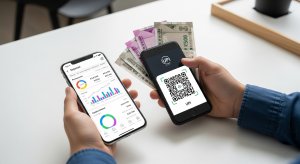
To effectively implement these actions, you need tools that make tracking easy and insightful. A dedicated expense tracker can automate much of this process, turning raw data into clear, actionable reports. Depto Flow allows you to effortlessly track your income and expenses, categorize transactions, and manage budgets based on your real spending patterns. This helps you visualize your financial behavior and stick to your new, improved money habits.
Common Spending Habits and How to Address Them
- The "Latte Factor" (Small Daily Splurges): Those daily coffees, snacks, or impulse buys add up. Try setting a weekly "treat" budget, or make coffee at home a few days a week.
- Subscription Creep: Go through your recurring charges quarterly. Cancel anything you don't use regularly or that doesn't provide significant value.
- Emotional Spending: Identify triggers. Are you shopping when stressed, bored, or sad? Find healthier coping mechanisms, like exercise, hobbies, or talking to a friend.
- Lifestyle Inflation: As your income grows, so does your spending. Be mindful of this trap. Instead of upgrading everything, consciously save or invest a portion of your raise.
Conclusion
Your spending history is more than just a list of transactions; it's a powerful diagnostic tool for your financial health. By taking the time to analyze where your money goes, you gain invaluable insights into your habits, preferences, and potential areas for improvement. This understanding empowers you to make informed decisions, set realistic budgets, and ultimately steer your finances towards the future you envision.
Don't let your money habits remain a mystery. Start examining your spending today, turn those insights into action, and build a solid foundation for your financial well-being. To simplify tracking your financial journey and apply these insights, consider using Depto Flow to track your spending and manage your budget effectively.