
Unlock Financial Clarity: What Is a Personal Ledger and How Does It Work?
Feeling a bit lost when it comes to where your money goes each month? You're not alone. Many people struggle with understanding their spending habits, which can make saving, budgeting, and financial planning feel impossible. The good news is, there's a simple, time-tested tool that can bring clarity to your finances: the personal ledger. In this article, we'll demystify what a personal ledger is, how it works, and why it's an indispensable tool for anyone looking to gain control over their money, regardless of their financial background. You'll learn the core components, step-by-step usage, and practical tips to implement this powerful financial habit.
What Exactly Is a Personal Ledger?
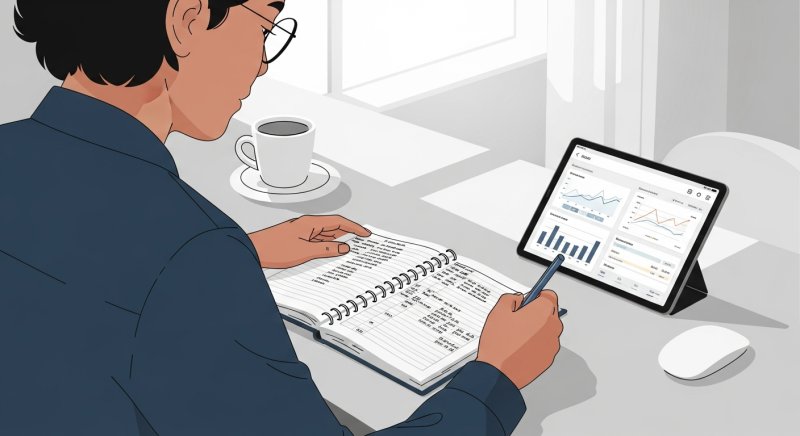
At its heart, a personal ledger is simply a detailed record of all your financial transactions – every penny that comes in and every penny that goes out. Think of it as your personal financial diary, meticulously logging your income, expenses, debts, and savings. Historically, ledgers were physical books, but today, they can be spreadsheets, digital apps, or even simple notebooks. The goal remains the same: to create a clear, chronological, and categorized overview of your financial activity.
The Core Components of a Personal Ledger
While the format might vary, every effective personal ledger includes key pieces of information for each transaction:
- Date: When the transaction occurred.
- Description/Transaction Details: What the transaction was for (e.g., 'Grocery shopping at SuperMart,' 'Salary deposit,' 'Rent payment').
- Category: A classification for the transaction (e.g., 'Food,' 'Utilities,' 'Income,' 'Entertainment'). This is crucial for understanding spending patterns.
- Debit (Money Out): The amount of money leaving your account or wallet.
- Credit (Money In): The amount of money entering your account or wallet.
- Balance: Your running total after each transaction, showing how much money you have left.
How Does a Personal Ledger Work? A Step-by-Step Guide
Using a personal ledger is straightforward once you understand the basic process:
- Step 1: Record Every Transaction Promptly. This is the golden rule. As soon as money comes in or goes out, jot it down. Don't rely on memory; even small purchases add up. Include the date, a clear description, and the amount.
- Step 2: Categorize Your Entries. Assign each transaction to a specific category. This step is vital for later analysis. Common categories include 'Housing,' 'Transportation,' 'Food,' 'Utilities,' 'Entertainment,' 'Savings,' and 'Income.' Consistency in categorization will help you track where your money truly goes.
- Step 3: Calculate Your Running Balance. After each entry, update your current balance. If it's an income entry, add it to your previous balance. If it's an expense, subtract it. This gives you an immediate picture of your financial standing.
- Step 4: Regular Review and Reconciliation. At the end of each week or month, compare your ledger entries with your bank statements and receipts. This process, known as reconciliation, helps catch errors, identify missed transactions, and ensure your ledger accurately reflects your financial reality. It’s also a great time to review your spending patterns. For a deeper dive into organizing your finances, you might find our guide on Master Your Money's Year: A Step-by-Step Guide to Organizing Personal Expenses helpful.
Benefits of Keeping a Personal Ledger
Maintaining a personal ledger offers a multitude of advantages for your financial well-being:
- Improved Financial Clarity: You'll know exactly where your money comes from and where it goes. No more guessing games! This transparency is the first step towards informed financial decisions.
- Better Budgeting and Spending Control: By seeing your actual spending, you can identify areas where you might be overspending and make adjustments to stick to your budget. This directly helps in avoiding common budgeting mistakes.
- Debt Management: Tracking all your income and expenses helps you identify surplus funds that can be allocated towards debt repayment, accelerating your journey to becoming debt-free.
- Goal Achievement: Whether you're saving for a down payment, a vacation, or retirement, a ledger shows you how much progress you're making and helps you stay on track.
- Tax Preparation: A well-maintained ledger simplifies tax season by providing clear records of income and deductible expenses.
Manual vs. Digital Ledgers
The choice between a manual notebook ledger and a digital solution depends on your preference. Manual ledgers offer a tangible, hands-on approach, which some find more engaging. Digital ledgers, whether spreadsheets or dedicated apps, offer convenience, automation, and powerful analytical tools. They can categorize transactions automatically, generate reports, and provide insights that are harder to glean from a physical book. For beginners looking to master their finances, understanding these tools is key, as discussed in Money Management for Beginners: How to Master Your Finances Without Financial Knowledge.
Leveraging Technology for Your Personal Ledger
In today's digital age, managing your personal ledger has never been easier, thanks to specialized apps. Instead of manually writing down every transaction, these tools streamline the process, making it more efficient and less prone to errors.
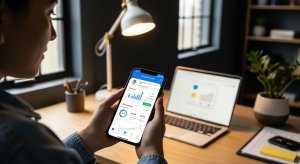
For instance, Depto Flow is designed to simplify your financial tracking. It helps you accurately record all your income and expenses, giving you a real-time overview of your financial health. Beyond basic tracking, Depto Flow allows you to manage budgets effectively, ensuring you stay within your spending limits. You can also track money lent or borrowed, recording repayments and keeping tabs on pending balances, which is a common overlooked area in personal finance. Furthermore, for social events or shared responsibilities, Depto Flow can help manage event expenses, ensuring everyone contributes fairly and tracking who owes what. By centralizing these functions, Depto Flow acts as a comprehensive digital personal ledger, making financial management accessible and actionable.
Practical Tips for Maintaining Your Personal Ledger
To get the most out of your personal ledger, keep these tips in mind:
- Consistency is Key: Make recording transactions a daily or at least a weekly habit. The more consistent you are, the more accurate your financial picture will be.
- Be Specific: Instead of just 'Shopping,' write 'Grocery shopping at FreshFoods' or 'New shirt at Trendy Apparel.' Detailed descriptions provide better context.
- Use Categories Wisely: Don't create too many categories, which can make tracking cumbersome, but ensure they are specific enough to provide useful insights. Regularly review and refine your categories as your spending habits evolve.
- Reconcile Regularly: This step cannot be stressed enough. It's your quality control check to ensure accuracy and catch any discrepancies.
- Don't Let Lifestyle Creep Derail You: As your income potentially increases, be mindful of not letting your expenses inflate unnecessarily. A well-kept ledger will highlight if you're falling victim to lifestyle creep, allowing you to make conscious choices about your spending.
Conclusion
A personal ledger, whether manual or digital, is a fundamental tool for achieving financial control and peace of mind. By consistently recording and reviewing your income and expenses, you gain invaluable insights into your money habits, enabling you to budget smarter, manage debt more effectively, and work towards your financial goals with confidence. It's not just about numbers; it's about empowering yourself with knowledge to make better financial decisions.
Ready to take control of your finances and simplify your expense tracking? Discover how Depto Flow can help you manage your personal ledger with ease. Download Depto Flow today and start your journey towards financial clarity.