
Smart Cuts, Big Savings: Where to Trim Your Expenses First
Introduction: Feeling the Pinch? How to Smartly Trim Your Expenses
In today's economy, many of us feel the constant pressure of rising costs. Whether you're trying to save for a big goal, pay down debt, or simply make ends meet, finding areas to cut expenses is often the first step towards greater financial stability. But with so many things demanding your money, where do you even begin? It can feel overwhelming to decide what to cut first without feeling deprived or sacrificing essential needs.
This guide will provide you with a clear, systematic approach to identify and prioritize your expenses, helping you make smart cuts that genuinely improve your financial situation. You'll learn how to distinguish between needs and wants, spot "low-hanging fruit" for easy savings, and implement strategies for long-term financial health.
1. Understand Your Spending Habits: The Foundation of Smart Cuts
Before you can cut anything, you need to know exactly where your money is going. Many people underestimate how much they spend on certain categories simply because they don't track it. This initial step is crucial for gaining clarity and making informed decisions.
- Gather Your Financial Data: Look at your bank statements, credit card bills, and cash transactions for the last 1-3 months.
- Categorize Every Expense: Group similar expenses together (e.g., groceries, dining out, utilities, entertainment, subscriptions).
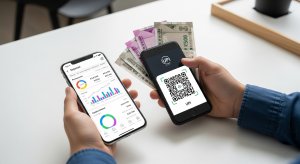
If you use various payment methods, understanding how to track expenses across multiple UPI apps seamlessly can be particularly helpful. To effectively identify where your money goes and gain a clear picture of your financial inflows and outflows, tools like Depto Flow can be invaluable. It helps you accurately track income and expenses, making the categorization process much simpler and more insightful. For a deeper dive into understanding your financial picture, consider reading our guide on Unlock Financial Clarity: Your Guide to a Monthly Income and Expense Statement.
2. Differentiate Between Needs, Wants, and Nice-to-Haves
This is the cornerstone of effective expense cutting. Not all expenses are created equal. You need to identify what you absolutely cannot live without, what brings you joy but isn't essential, and what you could easily do without.
- Needs: These are essential for survival and basic functioning. Examples include housing (rent/mortgage), utilities (electricity, water), essential groceries, basic transportation, and necessary healthcare.
- Wants: These improve your quality of life but are not strictly necessary. Examples include dining out, entertainment subscriptions (streaming services, gym memberships), new gadgets, and designer clothes.
- Nice-to-Haves: These are often impulse purchases or luxuries that offer minimal long-term value. Think of that daily gourmet coffee, unused club memberships, or unnecessary upgrades.
Being honest with yourself in this stage is key. What you consider a "need" might actually be a "want" when you look at it objectively.
3. Target the "Low-Hanging Fruit": Easy Wins for Immediate Savings
Once you've categorized your spending, start by tackling the easiest expenses to cut – the "nice-to-haves" and less important "wants" that offer little value. These are often quick wins that provide immediate relief without significant lifestyle changes.
- Unused Subscriptions: Review all your monthly subscriptions (streaming, apps, gym memberships, software). Are you using them regularly? Cancel any that you rarely or never use. This is often a significant hidden drain on finances.
- Dining Out and Takeaway: Eating out frequently adds up quickly. Try cooking more meals at home. Even reducing dining out by one or two times a week can lead to substantial savings.
- Impulse Purchases: Those small, unplanned buys at the checkout or online can seriously impact your budget. Practice the "24-hour rule" – if you want something non-essential, wait 24 hours before buying it. Often, the urge passes.
- Excessive Entertainment: While entertainment is important, look for cheaper alternatives. Instead of multiple paid streaming services, pick one or two. Explore free community events, parks, or libraries.
- Daily Habits: Your daily coffee, bottled water, or snack purchases might seem small, but they accumulate. Brewing coffee at home, carrying a reusable water bottle, and packing snacks can save a lot over a month.
Identifying and addressing these bad spending habits can quickly free up cash you didn't even realize you were spending.
4. Evaluate Bigger Expenses: When More Significant Changes Are Needed
After tackling the easy cuts, you might find you need to make more substantial changes to reach your financial goals. These often involve "needs" that can be optimized.
- Negotiate Bills: Don't be afraid to call your service providers (internet, mobile, insurance) and ask for a better deal. Often, they have loyalty programs or promotional rates they can offer. Compare prices with competitors and be ready to switch if necessary.
- Transportation Costs: Can you carpool, use public transport more often, or cycle for shorter distances? If you have a car, ensure it's well-maintained to avoid costly repairs and drive efficiently to save on fuel.
- Groceries: This is a "need," but there's always room for optimization. Plan your meals, make a shopping list, stick to it, and avoid shopping when hungry. Compare prices, buy generic brands, and reduce food waste.
- Housing: For some, housing is their largest expense. While difficult, consider if downsizing, getting a roommate, or moving to a less expensive area is a viable long-term option if your current housing costs are unsustainable.
Making bigger cuts often requires more planning and may involve short-term inconvenience for long-term financial gain.
5. Implement a Budget and Stick to It
Cutting expenses isn't a one-time event; it's an ongoing process. The most effective way to maintain your new spending habits and identify further opportunities for savings is to create and stick to a budget. A budget gives every rupee a job and ensures you're intentionally directing your money towards your goals.
Practical Scenario: The Monthly Budget Review
Let's consider Maya, who earns ₹50,000 per month and wants to save ₹10,000 for a down payment. She tracked her expenses for a month and found:
- Rent: ₹15,000 (Need)
- Groceries: ₹8,000 (Need)
- Utilities: ₹3,000 (Need)
- Transport: ₹2,000 (Need)
- Dining Out: ₹7,000 (Want)
- Streaming Services (3): ₹1,500 (Wants)
- Gym Membership (unused): ₹1,000 (Nice-to-Have)
- Online Shopping (impulse): ₹5,000 (Nice-to-Have)
- Miscellaneous: ₹2,500
- Total Expenses: ₹45,000
Maya's current savings are ₹5,000 (₹50,000 - ₹45,000). To reach her ₹10,000 goal, she needs to cut ₹5,000 more.
Her Strategy:
- Cut the "Nice-to-Haves": Cancel unused gym membership (₹1,000 saved). Reduce impulse online shopping by ₹3,000 (total ₹4,000 saved).
- Trim "Wants": Reduce dining out by ₹1,000 (cooking more at home). Cancel one streaming service (₹500 saved). (Total ₹1,500 saved).
New Total Savings: ₹4,000 + ₹1,500 = ₹5,500 from cuts. Add to existing ₹5,000 = ₹10,500. Maya successfully reached her goal by prioritizing cuts.
To keep track of your budget and ensure you're on track, tools that help you manage budgets and track money lent or borrowed can be incredibly helpful. Regular financial reviews, perhaps as part of a powerful payday routine, can help you stay accountable.
Conclusion: Take Control, Build Your Financial Future
Cutting expenses doesn't have to be a painful process of deprivation. By systematically understanding your spending, categorizing your needs and wants, and prioritizing cuts from the easiest to the more significant, you can take powerful control of your financial situation. Small, consistent changes add up to big savings over time, paving the way for your financial goals.
To put these strategies into action and gain full control over your finances, consider using Depto Flow. Its robust features for tracking income and expenses and managing budgets can simplify your financial journey. Download Depto Flow today and start making smarter spending decisions.