

Master Your Money: How to Divide Your Salary for Expenses, Savings, and Goals
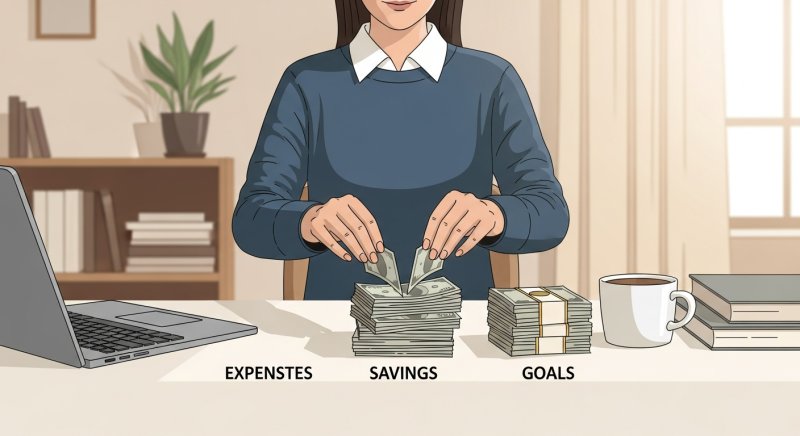
Do you ever wonder where your salary goes each month? For many, the paycheck arrives, bills are paid, and then the money seems to vanish without a clear path towards savings or future goals. It’s a common challenge, but it doesn't have to be your reality.
Learning how to effectively divide your salary is a fundamental step towards gaining financial control, reducing stress, and building a secure future. This guide will walk you through practical strategies and actionable steps to allocate your income wisely across expenses, savings, and your most important financial aspirations.
Why a Structured Approach to Salary Division Matters
Without a plan, money often gets spent reactively. You cover immediate needs, then wants, and whatever is left (if anything) might go towards savings. This 'leftover' approach rarely leads to significant progress. A structured division of your salary ensures that every rupee has a purpose. It helps you:
- Avoid Financial Stress: Know exactly where your money is going.
- Achieve Financial Goals: Consistently contribute to your dreams, whether it's a down payment, a child's education, or retirement.
- Build Savings: Prioritize an emergency fund and long-term wealth.
- Gain Control: Make conscious spending decisions rather than impulsive ones.
Understanding Your Net Income: The First Step
Before you can divide your salary, you need to know exactly how much you have to work with. Your net income is the amount you actually receive after all deductions like taxes, provident fund (PF), and any other mandatory contributions. This is the figure you'll use for all your budgeting and allocation.
Popular Salary Division Rules to Consider
While there's no one-size-fits-all solution, several popular budgeting frameworks can provide a great starting point:
The 50/30/20 Rule
This is one of the most widely adopted and straightforward budgeting rules. It suggests dividing your net income into three main categories:
- 50% for Needs: These are your essential expenses. Think rent or EMI, utilities, groceries, transport, loan repayments, and insurance.
- 30% for Wants: These are non-essential but improve your quality of life. Examples include dining out, entertainment, subscriptions, hobbies, shopping for non-essentials, and vacations.
- 20% for Savings & Debt Repayment: This crucial portion goes towards your emergency fund, retirement contributions, investments, and paying down high-interest debt beyond minimums. If you're struggling with debt, prioritizing this category can significantly improve your financial health. For tips on managing and recording personal loans, check out The Smart Way to Track Personal Loans and Debts (Udhari).
The Envelope System (Digital Adaptation)
Traditionally, this involved putting cash into physical envelopes for different spending categories. Digitally, you can adapt this by creating separate bank accounts or using budgeting apps to virtually "allocate" funds to different categories, ensuring you don't overspend in one area.
Practical Steps to Divide Your Salary Effectively
Let's break down how to apply these concepts to your own finances:
1. Calculate Your Net Income
Look at your payslip. The "take-home pay" is your net income. If you have multiple income sources, sum them up.
2. Identify Your Fixed Expenses (Needs - Part 1)
List all expenses that are the same or very similar each month. This includes rent/EMI, loan installments (car, personal loans), insurance premiums, fixed utility bills (e.g., internet), and regular subscriptions. These are non-negotiable and need to be covered first.
3. Prioritize Savings and Debt Repayment (The 20% or More)
Before discretionary spending, allocate a portion of your income to savings and debt. This is often called "paying yourself first."
- Emergency Fund: Aim for 3-6 months of living expenses in an easily accessible savings account.
- High-Interest Debt: Tackle credit card debt or personal loans with high interest rates aggressively.
- Investments: Set up automated transfers to your retirement fund (e.g., PPF, NPS, EPF voluntary contributions) or other investment avenues.
- Specific Goals: Start saving for a down payment, education, or a big purchase.
4. Allocate for Variable Expenses (Needs - Part 2 & Wants)
After fixed expenses and priority savings, distribute the remaining funds. This includes groceries, dining out, entertainment, transport, personal care, and shopping.
- Groceries: Track your spending for a month or two to get an average.
- Discretionary Spending: Be realistic about what you spend on "wants." This is often the area where you can find room to adjust if your budget is tight.
5. Set and Fund Your Financial Goals
Beyond emergency funds, clearly define your short-term (e.g., new gadget, vacation) and long-term (e.g., house, retirement) goals. Assign a specific amount from your salary to each goal. Seeing your progress will keep you motivated.
A Realistic Example: Applying the 50/30/20 Rule
Let's say your net monthly income is ₹60,000.
- Needs (50% = ₹30,000):
- Rent/EMI: ₹15,000
- Groceries: ₹7,000
- Utilities (electricity, water, internet): ₹3,000
- Transport: ₹2,000
- Loan EMI (e.g., education loan): ₹3,000
- Wants (30% = ₹18,000):
- Dining out/Socializing: ₹6,000
- Entertainment/Subscriptions: ₹3,000
- Shopping/Personal Care: ₹5,000
- Hobbies/Miscellaneous: ₹4,000
- Savings & Debt Repayment (20% = ₹12,000):
- Emergency Fund: ₹4,000
- Investments (SIPs, PPF): ₹5,000
- Extra Debt Repayment: ₹3,000
This example shows how ₹60,000 can be systematically allocated. Your specific numbers will vary, but the principle remains the same.
How Depto Flow Can Simplify Your Salary Division
Manually tracking all these allocations can be tedious. This is where a robust financial tool becomes invaluable. Depto Flow helps you apply these salary division principles by allowing you to easily track your income and categorize all your expenses. You can set up budgets for each of your 'Needs' and 'Wants' categories, ensuring you stick to your allocated percentages. By seeing your spending in real-time against your budget, you can make informed decisions and adjust as needed, preventing overspending and ensuring your savings goals are met.
To start taking control of your financial allocations, try Depto Flow today.
Tips for Success in Salary Division
- Automate Your Savings: Set up automatic transfers from your salary account to your savings and investment accounts immediately after payday.
- Regularly Review Your Budget: Life changes, and so should your budget. Review it monthly or quarterly to ensure it still aligns with your income, expenses, and goals.
- Be Flexible: Don't be afraid to adjust percentages slightly if your circumstances change. The goal is progress, not perfection.
- Track Every Rupee: Knowing exactly where your money goes is crucial. This will help you identify areas where you can cut back or reallocate funds. For strategies on fixing a negative cash flow, you might find Stop the Drain: Your Guide to Fixing Negative Personal Cash Flow helpful.
Conclusion
Dividing your salary effectively isn't about restriction; it's about empowerment. By giving every rupee a job – whether for essential expenses, enjoyable wants, or future financial security – you transform your relationship with money. You move from a state of uncertainty to one of clarity, control, and confidence.
Start by assessing your current income and expenses, choose a division strategy that suits you, and commit to consistent tracking. Taking this step will set you on a clear path towards achieving your financial aspirations. For an intuitive way to manage your budgets and track every financial transaction, download Depto Flow and start your journey towards financial mastery today.