
Curbing Your Cravings: Smart Strategies to Reduce Food Delivery Expenses
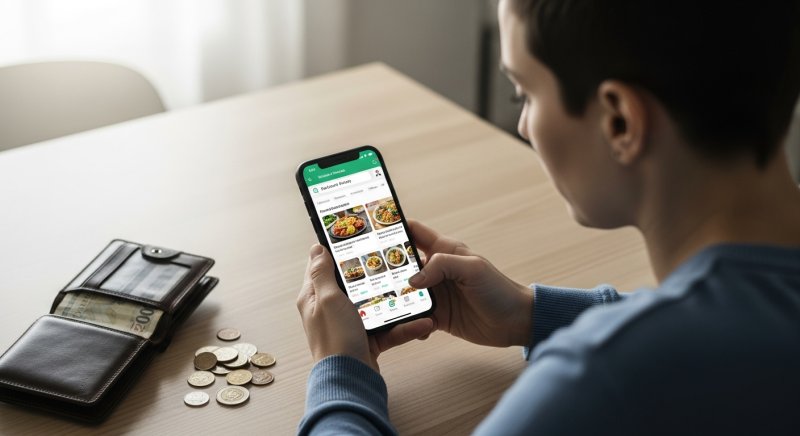
The convenience of food delivery apps has revolutionized how we eat, offering a tempting array of cuisines delivered right to our doorsteps. While incredibly handy, especially after a long day or when entertaining, the cumulative cost of these orders can quickly add up, silently eroding your budget. If you've ever looked at your monthly bank statement and wondered where a significant chunk of your money went, food delivery might be a major culprit.
This guide will equip you with practical, actionable strategies to significantly reduce your food delivery expenses without completely sacrificing the convenience you love. You'll learn how to identify hidden costs, leverage smart ordering habits, and utilize financial tools to keep your cravings in check and your wallet happier.
Understanding the True Cost of Food Delivery
It's easy to focus on just the food price, but food delivery comes with several layers of additional costs that inflate your final bill:
- Delivery Fees: Often a fixed charge, but can vary by distance, time of day, or restaurant.
- Service Fees: A percentage-based charge calculated on your subtotal, sometimes called a 'platform fee' or 'convenience fee'.
- Small Order Fees: If your order doesn't meet a minimum threshold, you might incur an extra charge.
- Surge Pricing: During peak hours or bad weather, delivery fees can temporarily increase.
- Tips: An expected additional cost for the delivery driver's service.
- Menu Markups: Restaurants sometimes list items at slightly higher prices on delivery apps compared to their in-store menus.
By understanding these components, you can start to see why a seemingly inexpensive meal can quickly become a significant expense.
Smart Strategies to Slice Your Delivery Bill
1. Cook More, Order Less: Embrace Meal Planning
The most effective way to cut delivery costs is to cook at home more often. Meal planning and batch cooking can be game-changers. Dedicate a few hours on a weekend to prepare meals or components for the week ahead. Having healthy, homemade options readily available reduces the temptation to order takeout when you're tired or busy.
2. Embrace Pickup Options
If you're set on a particular restaurant but want to avoid delivery fees, consider picking up your order yourself. Many apps and restaurants offer a pickup option, saving you a substantial amount on delivery and service charges. A quick drive can translate into significant savings over time.
3. Hunt for Deals and Discounts
Before placing an order, always check for promotions. Many delivery apps offer discounts for new users, specific restaurants, or during certain times. Look for:
- Promo Codes: Often found on coupon websites, social media, or directly from the app.
- Loyalty Programs: Some apps or restaurants reward frequent customers with discounts or free items.
- Subscription Services: Evaluate if an app's subscription (e.g., free delivery) genuinely saves you money based on your ordering frequency. Do the math to ensure the subscription cost is less than what you'd pay in delivery fees.
4. Set a Dedicated Delivery Budget
To truly master your food delivery spending, consider creating a dedicated budget. This proactive approach helps you allocate a specific amount for takeaways each month, preventing overspending. For a comprehensive guide on managing different spending categories, read our article on Master Your Money: The Ultimate Guide to Creating Separate Budgets for Every Spending Category.
5. Order Mindfully: Avoid Impulse Buys
Small, frequent orders accumulate quickly. Try to consolidate your orders. If you're ordering for multiple people or for a few meals, buying in bulk often offers better value. Also, avoid ordering when you're extremely hungry, as you're more likely to over-order or choose pricier options.
6. Go Direct to the Restaurant
Sometimes, ordering directly from a restaurant's website or by phone can be cheaper than using a third-party app. Restaurants often offer their own deals, loyalty programs, or simply avoid the markups and fees imposed by delivery platforms.
Taking Control: Tracking Your Food Delivery Spending
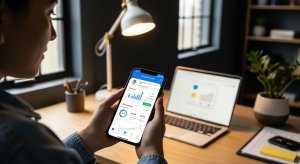
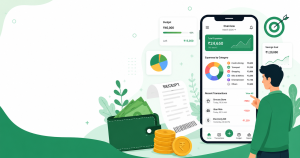
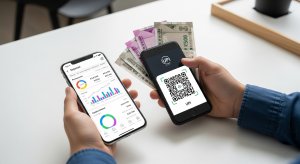
One of the biggest challenges in reducing food delivery expenses is simply knowing how much you're actually spending. Without a clear picture, it's hard to make effective changes. This is where a reliable expense tracker becomes invaluable.
Depto Flow can help you gain clarity and control over your food delivery habits. By diligently tracking your income and expenses, you can easily categorize your food delivery orders and see exactly where your money is going. Its budgeting features allow you to set specific limits for categories like 'food delivery' or 'eating out', helping you stick to your financial goals. You can record each order and monitor your spending against your set budget, making it much easier to identify when you're nearing your limit and adjust your habits accordingly.
Conclusion
Reducing food delivery expenses doesn't mean giving up your favorite meals entirely. By adopting smart strategies like meal planning, utilizing pickup options, hunting for deals, and most importantly, tracking your spending, you can enjoy the convenience without breaking the bank. Taking control of your food delivery budget is a simple yet powerful step towards better financial health.
Start monitoring your food delivery expenses today and take the first step towards smarter spending. Download Depto Flow to effortlessly track your income and expenses, and manage your budgets effectively. Try Depto Flow today!