
How to Budget for Shopping Without Feeling Restricted

Do you love to shop but dread the guilt that often follows? Many of us feel that budgeting for shopping means saying goodbye to everything we enjoy. It conjures images of tight restrictions and missed opportunities. But what if you could enjoy shopping – whether for clothes, gadgets, or experiences – without the financial stress or the nagging feeling that you've overspent? The truth is, smart budgeting isn't about deprivation; it's about empowerment. It's about making conscious choices that align with your financial goals while still allowing room for the things you love.
In this guide, we'll explore practical strategies to help you create a shopping budget that feels liberating, not limiting. You'll learn how to understand your spending habits, set realistic limits, make smarter purchasing decisions, and ultimately, enjoy your shopping experiences guilt-free.
Understanding Your Shopping Habits: The First Step to Freedom
Before you can budget effectively, you need to understand where your money is currently going. Many people underestimate how much they spend on shopping because it often happens in small, sporadic bursts. Tracking your expenses is crucial here. For a month or two, meticulously record every single purchase, no matter how small. This isn't about judgment; it's about awareness.
Ask yourself: What triggers your shopping? Is it boredom, stress, social media, or simply seeing something new? Identifying these patterns can help you anticipate and manage your urges. Also, take a moment to distinguish between 'needs' and 'wants.' While a new winter coat might be a need, that third pair of trendy sneakers might be a want. This clarity is vital for making intentional spending decisions and avoiding the trap of lifestyle inflation, where your wants slowly become perceived as needs.
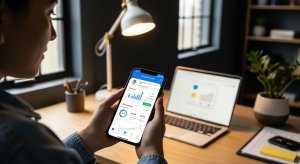
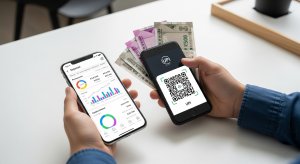
Actionable Tip: To truly get a handle on your spending, track every transaction. A dedicated expense tracker can make this process simple and automated. For more insights on tracking cash transactions, read Mastering Your Cash Flow: The Ultimate Guide to Tracking Cash Expenses. Depto Flow allows you to effortlessly track all your income and expenses, giving you a clear picture of where your money goes each month. This visibility is the foundation of a successful shopping budget.
Setting Up a Realistic Shopping Budget (That You'll Actually Stick To)
Once you have a clear picture of your spending, it's time to create your shopping budget. The key is realism. An overly restrictive budget is destined to fail. Instead, aim for a budget that reflects your current income, financial goals, and values.
Consider these approaches:
- The Envelope System (Digital or Physical): Allocate a specific amount for shopping categories (e.g., 'Clothing,' 'Entertainment,' 'Personal Care'). Once the money in that 'envelope' is gone, you stop spending in that category until the next budgeting period. Depto Flow's budgeting feature can help you set up and monitor these category-specific limits digitally, alerting you before you overspend.
- The 'Fun Money' Fund: Designate a small, guilt-free fund specifically for impulse buys or non-essential treats. This allows you to indulge occasionally without derailing your main budget.
- The 50/30/20 Rule Adaptation: While often applied broadly, you can adapt this for shopping. After allocating 50% to needs and 20% to savings/debt, use a portion of the 30% 'wants' category specifically for shopping. Break down that 30% further into different 'wants' like dining out, entertainment, and shopping.
Remember, your budget is a living document. It's okay if you don't get it perfect the first time. The goal is to create a framework that supports your financial well-being while allowing for enjoyment.
Strategies for Guilt-Free Shopping
With your budget in place, here are some strategies to make your shopping experiences more enjoyable and less stressful:
The "Waiting Period" Rule
For any non-essential item you're considering, especially larger purchases, implement a 24-hour, 48-hour, or even week-long waiting period. Add the item to your cart or a wishlist, then walk away. Often, the initial urge passes, or you realize you don't need it as much as you thought. This simple pause can save you from countless impulse buys.
The "One In, One Out" Rule
Especially useful for clothing, shoes, or household items. If you buy a new shirt, donate or sell an old one. This not only keeps your budget in check but also helps declutter your home and promotes mindful consumption.
Leveraging Sales Smartly
Sales can be a great way to save, but only if you're buying something you genuinely need or had already planned to purchase within your budget. Don't buy something just because it's on sale. Always ask yourself: 'Would I buy this at full price?' If the answer is no, then it's not a deal, it's still an expense.
Focus on Quality Over Quantity
Investing in fewer, higher-quality items that last longer can often be more cost-effective in the long run than repeatedly buying cheap, disposable goods. This applies to everything from clothing to kitchenware.
Seek Alternatives
Before buying, consider if you can borrow, rent, or find a second-hand version. Thrift stores, online marketplaces, and community lending libraries offer fantastic opportunities to get what you need without breaking the bank.
Reviewing and Adjusting Your Shopping Budget
A budget isn't a one-and-done task. It requires regular review and adjustment to remain effective. Life changes, and so should your financial plan. Set aside time each month to review your spending against your budget. Did you stay within your shopping limits? Did you overspend in one area and underspend in another?
If you consistently go over budget in a certain category, it might mean your initial allocation was unrealistic, or you need to adjust your spending habits. Don't view deviations as failures, but as learning opportunities. Adjust your categories, reallocate funds, or explore new strategies for the next month. This iterative process is what makes budgeting sustainable.
If you find your budget frequently failing, you might want to explore why most budgets fail after the first month and how to make yours stick. Depto Flow’s budgeting features are designed to simplify this review process, providing clear reports and insights into your spending patterns, making adjustments straightforward.
Conclusion
Budgeting for shopping doesn't have to feel like a punishment. By understanding your habits, setting realistic limits, and employing smart spending strategies, you can transform your relationship with money and shopping. It's about conscious choices, not deprivation, leading to a sense of control and guilt-free enjoyment.
Take control of your shopping budget today. Start by tracking your expenses and setting realistic limits. Download Depto Flow to easily manage your budgets, track your spending, and gain the financial clarity you need to shop smarter and live richer.