
Unlock Your Savings Potential: The Power of Pay-Yourself-First Budgeting
Introduction: Are You Tired of Struggling to Save?
Many of us find ourselves in a frustrating cycle: we earn money, pay our bills, and then hope there's something left over to save. More often than not, that 'something left over' is minimal or non-existent. This common approach, known as 'pay-others-first,' leaves saving to chance, making it incredibly difficult to build wealth or achieve financial goals.
But what if you flipped that script? What if saving wasn't an afterthought but a priority? That's the core idea behind Pay Yourself First budgeting. In this article, you'll discover exactly what this powerful strategy is, why it works so effectively, and how you can implement it to transform your financial future. Get ready to take control of your money and make saving an automatic success.
What is Pay Yourself First Budgeting?
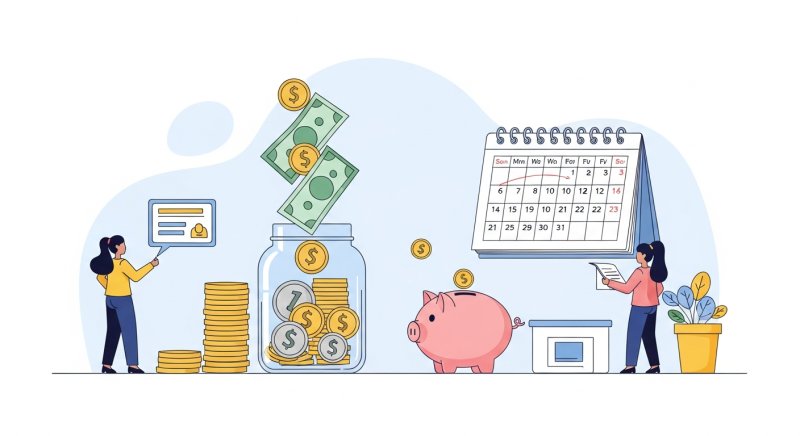
The 'Pay Yourself First' principle is deceptively simple: before you pay any bills, before you buy groceries, before you even think about discretionary spending, you set aside a portion of your income for your savings and investments. It's about prioritizing your financial future by making saving an automatic, non-negotiable expense, just like rent or a loan payment.
Instead of waiting to see what's left, you proactively allocate funds to your savings accounts, retirement funds, or investment portfolios right when you get paid. This approach shifts saving from a hopeful intention to a guaranteed action, making it the cornerstone of your financial plan rather than an optional extra.
Why Pay Yourself First Works So Effectively
This budgeting method isn't just a clever trick; it's rooted in sound financial psychology and practical benefits:
- Prioritization: It forces you to make saving a top priority. When savings are automated and taken out first, you're less likely to spend that money elsewhere.
- Automation: By setting up automatic transfers, you remove the need for willpower and conscious decision-making each pay period. This 'set it and forget it' approach ensures consistency.
- Building a Habit: Over time, seeing your savings grow becomes incredibly motivating. It builds a positive financial habit that reinforces itself.
- Living Within Your Means: Once you've paid yourself, you learn to manage your remaining income for all other expenses. This naturally encourages more mindful spending and helps you live within your means.
- Financial Security: Consistently saving builds an emergency fund, invests for your future, and helps you achieve major life goals, providing a strong sense of security.
How to Implement Pay Yourself First: A Step-by-Step Guide
Ready to put this powerful strategy into action? Here's how:
Step 1: Define Your Financial Goals
What are you saving for? An emergency fund, a down payment on a house, retirement, a new car, or a child's education? Having clear, specific goals gives your savings purpose and helps determine how much you need to save. Learn more about setting realistic savings targets in our guide on how Indian middle-class families can save more money.
Step 2: Determine Your Savings Amount
A common guideline is to save at least 10-20% of your gross income. However, the ideal amount depends on your income, expenses, and goals. Start with what you can realistically afford, even if it's a smaller percentage, and aim to increase it over time. The key is consistency.
Step 3: Automate Your Transfers
This is the most crucial step. Set up an automatic transfer from your checking account to your savings or investment accounts to occur on your payday. If your employer offers direct deposit, you might even be able to split your paycheck, sending a portion directly to savings before it ever hits your primary checking account.
Step 4: Adjust Your Budget Around Your Savings
Once you've paid yourself first, you'll need to manage your remaining income for all other expenses. This is where traditional budgeting comes in. Track your spending diligently to ensure you don't overspend in other areas. If you find yourself short, look for areas to cut back, such as reducing discretionary spending or finding cheaper alternatives for recurring costs. Tools for tracking subscriptions can be particularly helpful here.
Step 5: Review and Adjust Regularly
Life changes, and so should your financial plan. Review your savings goals and budget periodically (e.g., quarterly or annually). As your income increases or your financial goals evolve, adjust your savings amount accordingly. The beauty of this system is its flexibility.
Practical Example: Priya's Pay-Yourself-First Journey
Priya earns Rs. 50,000 per month. She used to pay all her bills and then try to save, often ending up with just Rs. 2,000-3,000. After learning about the 'Pay Yourself First' method, she decided to automate a transfer of 15% of her income (Rs. 7,500) to her savings account on the 1st of every month, immediately after her salary hits.
Now, she knows she has Rs. 42,500 left for all other expenses like rent, utilities, groceries, and entertainment. In the first month, she found it a bit tight, so she cut down on eating out twice a week and opted for home-cooked meals. Within three months, she had accumulated over Rs. 22,500 in her emergency fund, a feat she previously thought impossible. She feels more in control and less stressed about money.
How Depto Flow Can Help You Master Pay-Yourself-First
Implementing the 'Pay Yourself First' strategy requires diligent tracking and budgeting to ensure your remaining funds cover your expenses. This is where Depto Flow becomes an invaluable tool. After you've paid yourself first by automating your savings, you can use Depto Flow to:
- Track Income and Expenses: Easily record your remaining income and all your outflows to see exactly where your money is going.
- Manage Budgets: Create and monitor budgets for different categories (e.g., groceries, transport, entertainment) based on the money you have left after saving. This helps you stick to your limits.
- See Remaining Balances: Get a clear overview of your available funds in real-time, helping you make informed spending decisions and avoid overspending.
By leveraging Depto Flow, you can effectively manage the rest of your budget, ensuring that your 'Pay Yourself First' commitment doesn't lead to financial stress in other areas. Ready to take control? Download Depto Flow today and start managing your finances smarter.
Conclusion: Your Path to Financial Freedom
The 'Pay Yourself First' budgeting method is a powerful shift in mindset and action that can profoundly impact your financial well-being. By prioritizing your savings and automating the process, you remove the guesswork and build a strong foundation for your future. It's not about how much you earn, but how much you keep and grow.
Your Next Step: Review your income and expenses today, decide on a realistic savings percentage, and set up an automatic transfer to your savings account. Then, use Depto Flow to track your remaining budget and ensure every rupee works for you. Start building the financial future you deserve.