

Smart Savings: A Practical Guide for Indian Middle-Class Families
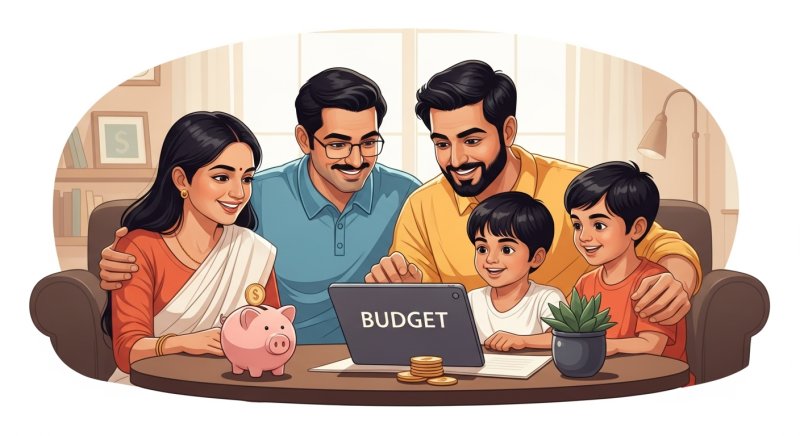
For many Indian middle-class families, the desire to save more is a constant balancing act between aspirations and daily expenses. From educating children to planning for retirement, every rupee saved makes a difference. But how can families effectively navigate the rising costs of living while still building a substantial savings nest? This guide will provide actionable strategies and practical tips tailored for Indian households, helping you identify opportunities to save, manage your money better, and achieve your financial goals.
Understanding Your Family's Financial Flow
The first step to saving more is knowing exactly where your money comes from and where it goes. Without a clear picture of your income and expenses, it's impossible to identify areas for improvement. This means diligently tracking every income source and every single expenditure, no matter how small.
- Track All Income: Include salaries, rental income, business profits, and any other regular or irregular earnings.
- Monitor Every Expense: From daily chai to monthly utility bills, record everything. This gives you a realistic view of your spending habits.
Manually tracking can be tedious, but technology makes it easy. Depto Flow can be a powerful ally here, allowing you to track all your income and expenses effortlessly. Knowing your financial flow empowers you to make informed decisions. To gain even more control, consider learning how to track subscriptions and recurring payments effectively.
Crafting a Realistic Family Budget
Once you understand your financial flow, the next step is to create a budget. A budget is not about restricting enjoyment; it's about allocating your money purposefully to align with your family's values and goals.
The 50/30/20 Rule (Adapted for India)
A popular budgeting framework is the 50/30/20 rule, which can be adapted for Indian families:
- 50% for Needs: Essential expenses like rent/EMI, groceries, utilities, transportation, children's school fees, and healthcare.
- 30% for Wants: Discretionary spending such as dining out, entertainment, shopping, vacations, and non-essential gadgets.
- 20% for Savings & Debt Repayment: This portion goes towards your financial goals like retirement, children's education, home down payment, and paying off high-interest debts.
Adjust these percentages based on your family's unique situation. For instance, if you have significant debt, you might allocate more to repayment and less to wants temporarily. A great starting point is to master how to divide your salary for expenses, savings, and goals.
Smart Spending: Making Every Rupee Count
Saving isn't just about earning more; it's also about spending smarter. Small changes in daily habits can lead to significant savings over time.
- Grocery Shopping Strategy: Plan your meals, make a list, and stick to it. Buy seasonal fruits and vegetables, which are often cheaper and fresher. Consider buying staples in bulk if storage allows.
- Reduce Eating Out: While occasional treats are fine, excessive dining out can quickly deplete your budget. Cook more meals at home and pack lunches for work and school.
- Negotiate and Compare: Don't hesitate to negotiate for better deals on services like internet, cable, or even when making larger purchases. Always compare prices before buying.
- Delay Gratification: Before making a non-essential purchase, impose a 24-hour or 48-hour waiting period. Often, the urge to buy passes.
Optimizing Household Utilities and Services
Utility bills are recurring expenses that can often be trimmed with conscious effort.
- Electricity: Switch off lights and fans when not needed. Use energy-efficient appliances. Consider LED bulbs.
- Water: Fix leaks promptly. Use water-saving techniques in the kitchen and bathroom.
- Internet & Mobile Plans: Regularly review your plans. Are you paying for data or speed you don't use? Look for family plans or bundles that offer better value.
Involving the Entire Family in Financial Discipline
Financial responsibility is a family affair. When everyone understands the goals, it becomes easier to work together.
- Educate Children: Teach them the value of money from a young age. Give them a small allowance and encourage them to save for specific items.
- Family Financial Meetings: Hold regular discussions about the family budget and financial goals. This fosters transparency and shared ownership.
- Shared Expenses: For families, especially those with shared responsibilities or managing event expenses, Depto Flow offers features to simplify this. You can track money lent or borrowed within the family, record repayments, and manage pending balances, making family finances transparent and stress-free.
Conclusion
Saving more money as an Indian middle-class family is entirely achievable with a strategic approach and consistent effort. By understanding your financial flow, budgeting effectively, adopting smart spending habits, optimizing household expenses, and involving your family, you can build a stronger financial future. The key is to start small, stay consistent, and adapt your strategies as your family's needs evolve.
Ready to take control of your family's finances and start saving more effectively? Download Depto Flow today and experience smarter money management.