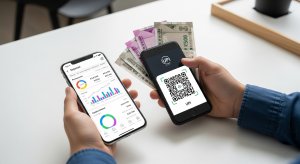

Bank-Linked vs. Manual Expense Tracking Apps: Which is Best for Your Money?
In today's digital age, managing your money has become easier than ever, thanks to a plethora of expense tracking apps. But when it comes to choosing the right tool, a fundamental question arises: should you opt for an app that links directly to your bank accounts, or one that requires manual entry? Each approach offers distinct advantages and disadvantages, and understanding these differences is crucial for effective financial management.
This article will break down the mechanics, benefits, and drawbacks of both bank-linked and manual expense tracking apps. By the end, you'll have a clear understanding of which method aligns best with your financial habits, privacy concerns, and overall money goals, helping you make an informed decision for smarter spending and saving.
The Core Difference: Bank-Linked vs. Manual Tracking
At their heart, both types of apps aim to help you monitor where your money goes. The primary distinction lies in how they gather your transaction data.
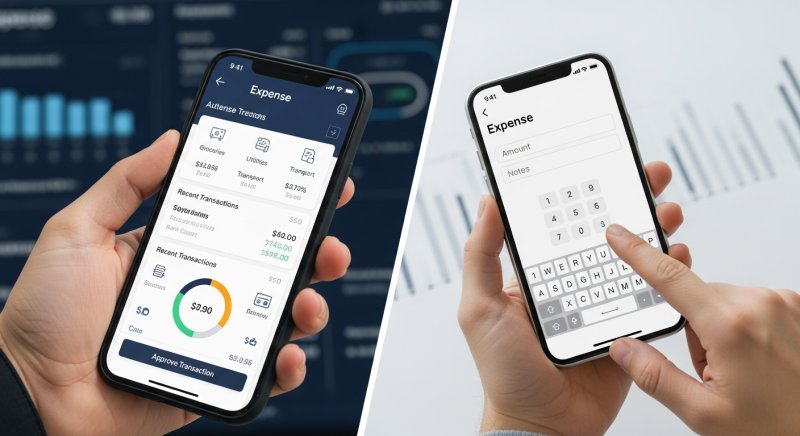
- Bank-Linked Apps: These applications connect securely to your bank accounts, credit cards, and other financial institutions. They automatically import your transactions, categorize them, and often provide visual reports without much input from you.
- Manual Entry Apps: As the name suggests, these apps require you to personally input every income and expense. You're responsible for adding transaction details, amounts, and categories yourself.
Diving Deeper into Bank-Linked Expense Tracking
Bank-linked apps appeal to many for their promise of automation and convenience.
How it Works
After you grant permission, these apps use secure protocols (often through third-party aggregators) to access your transaction history. They then use algorithms to automatically sort your spending into categories like 'Groceries,' 'Utilities,' 'Entertainment,' etc. Some even offer budgeting features that automatically track your spending against set limits.
Advantages of Automation
- Convenience and Time-Saving: No need to remember every purchase; transactions are imported automatically. This is a huge draw for busy individuals.
- Comprehensive Overview: Aggregating data from multiple accounts gives you a holistic view of your finances in one place.
- Reduced Errors: Less chance of forgetting to log an expense or making a mathematical mistake.
Disadvantages and Concerns
- Security and Privacy: While reputable apps use strong encryption, sharing your bank login credentials or transaction data with a third party always carries a perceived (and sometimes real) risk. Many users are uncomfortable with this level of data sharing.
- Categorization Inaccuracies: Automatic categorization isn't always perfect. A single store might sell items from different categories, leading to mislabeled transactions that require manual correction.
- Lack of Real-Time Awareness: Because transactions are often imported with a slight delay, you might not have an immediate sense of your spending until a day or two later.
- Limited Control: You have less control over the specific details recorded for each transaction beyond what the bank provides.
Exploring Manual Expense Tracking Apps
For those who prefer a more hands-on approach, manual expense tracking offers unmatched control and insight.
How it Works
Every time you spend money, you open the app and log the transaction. You input the amount, select a category, add notes, and perhaps even attach a receipt. This active process ensures you're fully aware of each financial move.
The Power of Hands-On Control
- Complete Privacy: Your financial data stays with you. There's no need to link bank accounts or share login details with any third-party service.
- Unmatched Accuracy and Detail: You decide the category and add specific notes for every transaction, ensuring it's exactly how you want it. This level of detail is invaluable for understanding your spending habits deeply. For insights into the breadth of expenses you can track, consider exploring 100 Personal Expenses You Need to Track for Financial Freedom.
- Increased Financial Awareness: The act of manually logging each expense forces you to confront your spending in real-time. This active engagement can lead to better budgeting decisions and a stronger sense of financial discipline.
- Better for Cash Transactions: Bank-linked apps struggle with cash, but manual apps easily accommodate all forms of payment.
Potential Drawbacks
- Time-Consuming: It requires consistent effort to log every transaction, which can be a deterrent for some.
- Requires Discipline: If you forget to log expenses regularly, your data will be incomplete and inaccurate.
- Prone to Human Error: It's possible to miskey amounts or forget to log certain transactions.
Choosing Your Ideal Tracking Method: A Practical Guide
The best method isn't universal; it depends on your personal preferences and financial goals.
- Consider Your Financial Goals: If your primary goal is a quick overview of where your money generally goes without much fuss, a bank-linked app might suffice. If you're aiming for meticulous budgeting, debt repayment, or a deep understanding of every rupee spent, manual tracking offers superior control.
- Evaluate Your Comfort with Technology and Privacy: If you're comfortable with sharing data for convenience and trust the security measures of financial apps, bank-linked solutions are an option. If privacy is paramount and you prefer to keep your financial credentials to yourself, manual tracking is the clear winner.
- Assess Your Time and Discipline: Be honest with yourself. Do you have the discipline to log every transaction diligently? If not, automation might prevent gaps in your data. If you enjoy the process of tracking and analyzing your spending, manual entry can be a rewarding habit.
For those who value privacy, control, and a hands-on approach to their finances, Depto Flow provides a robust manual entry system. It empowers you to categorize expenses precisely, track money lent or borrowed, and even manage event expenses with clarity. This level of detail helps you truly understand your spending patterns and make informed decisions.
Conclusion
Whether you choose the automated convenience of a bank-linked app or the detailed control of a manual entry system, the most important step is to start tracking your expenses. Both methods have their merits, and the 'best' one is ultimately the one you'll stick with consistently. By understanding the pros and cons, you can select a tool that truly empowers your financial journey.
Ready to take control of your spending with a secure, detailed, and user-friendly manual expense tracker? Download Depto Flow today and experience the clarity that comes from actively managing your money.