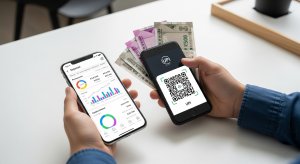

Expense Tracker App vs. Paper Notebook: Which Method Reigns Supreme for Your Money?
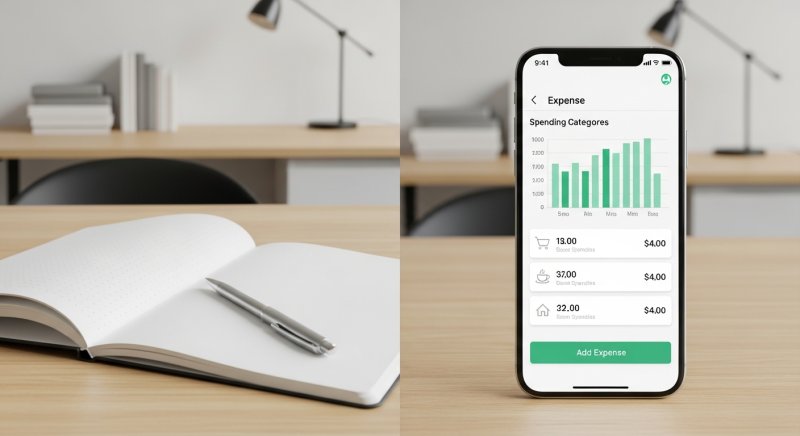
Are you looking to take control of your finances but feel overwhelmed by where to start with tracking your spending? Many people face the dilemma of choosing between the tried-and-true paper notebook and the modern convenience of an expense tracker app. Both methods offer ways to monitor your money, but they cater to different needs and preferences. This guide will break down the pros and cons of each, helping you decide which approach is best suited for your financial journey, and how a smart app can elevate your tracking game.
The Enduring Appeal of a Paper Notebook for Expense Tracking
Before smartphones became ubiquitous, a simple notebook and pen were the go-to tools for managing personal finances. And for good reason, a paper notebook still holds a certain charm and practicality for many.
Advantages of Using a Paper Notebook:
- Simplicity and Accessibility: No apps to download, no internet connection required, and no battery life to worry about. Just open and write.
- Tactile Experience: For some, the physical act of writing down expenses helps solidify the information, making it more memorable and engaging.
- Zero Learning Curve: If you can write, you can track. There are no complicated interfaces or features to learn.
- Unmatched Privacy: Your financial data stays entirely offline, away from servers and potential digital breaches. This can be a significant comfort for those highly concerned about digital privacy.
Disadvantages of Using a Paper Notebook:
- Manual Calculations: Summing up categories, calculating monthly totals, or finding spending averages requires tedious manual work.
- Prone to Loss or Damage: A misplaced or damaged notebook means losing all your financial records instantly.
- No Automated Insights: You won't get automatic graphs, trends, or spending habit analyses that can reveal crucial insights into your money.
- Limited Portability: While you can carry a small notebook, it's another item to remember, and you might not always have it when an expense occurs.
- Difficulty with Budgeting: While you can write down a budget, tracking against it and seeing real-time progress is cumbersome.
The Power and Convenience of an Expense Tracker App
In our digital age, expense tracker apps have revolutionized how many people manage their money. They offer a powerful, efficient, and often insightful way to keep tabs on every rupee.
Advantages of Using an Expense Tracker App:
- Automation and Efficiency: Many apps allow quick entry, categorization, and even recurring expense management, saving you time.
- Instant Insights and Analytics: Apps can generate beautiful charts and graphs, showing you where your money goes at a glance, identifying spending patterns, and helping you stick to your budget.
- Accessibility Anywhere: Your phone is almost always with you, meaning you can record expenses the moment they happen, reducing the chance of forgetting.
- Budgeting Features: Set budgets for various categories and receive alerts when you're nearing your limit. This proactive approach helps prevent overspending. For example, managing your monthly ration and grocery expenses becomes much simpler with a dedicated budget in an app.
- Enhanced Security and Backup: While concerns exist, reputable apps often offer password protection, encryption, and cloud backup, protecting your data better than a lost notebook. Some apps even allow you to track expenses without linking your bank account, offering private and powerful expense tracking.
- Specialized Tracking: Beyond basic expenses, many apps can help track money lent or borrowed, manage shared expenses for events, and remind you of pending payments.
Disadvantages of Using an Expense Tracker App:
- Requires a Device and Battery: You need a smartphone or tablet and sufficient battery life to use the app.
- Learning Curve: Some apps can have many features, requiring a bit of time to learn their interface and functionalities.
- Potential for Distraction: Being on your phone to track expenses can sometimes lead to other digital distractions.
- Data Privacy Concerns: While many apps prioritize security, some users may still be wary of storing financial information digitally.
Side-by-Side: Notebook vs. App for Your Finances
Let's consider key aspects in a direct comparison:
- Ease of Use (Initial): Notebook wins for absolute beginners.
- Ease of Use (Long-term): App wins for automation and speed once set up.
- Data Analysis & Insights: App is vastly superior with automated reports and visual trends.
- Portability: App (via smartphone) is generally more convenient and always with you.
- Security/Privacy: Notebook offers offline privacy. Apps offer digital security features and backups. Your preference for digital vs. physical security matters here.
- Budgeting Effectiveness: App provides real-time tracking against budgets and alerts, making it far more effective.
- Time Commitment: Notebook requires more manual effort for calculations and reviews. Apps automate much of this.
Who Should Use What? Making Your Choice
The best method depends entirely on your personal preferences, financial goals, and comfort level with technology.
- Choose a Paper Notebook if: You prefer a completely offline, tactile approach; your spending is simple and infrequent; you value absolute privacy above all else; or you're just starting and want the simplest possible method without any tech.
- Choose an Expense Tracker App if: You want detailed insights into your spending; you need help sticking to a budget; you manage various types of transactions (like money lent/borrowed or event expenses); you value convenience and automation; or you want to easily access your financial data on the go.
Elevate Your Financial Tracking with Depto Flow
If you've realized the immense benefits an expense tracker app can offer, especially in gaining deeper insights and simplifying your financial management, Depto Flow is designed to meet those needs effectively. Depto Flow empowers you to:
- Effortlessly Track Income and Expenses: Log all your transactions quickly and categorize them to understand where your money is going.
- Manage Budgets with Precision: Set spending limits for different categories and monitor your progress in real-time, helping you stay within your financial goals.
- Track Money Lent or Borrowed: Never forget a loan or a debt again. Depto Flow helps you record these transactions, track repayments, and manage pending balances with ease. This is particularly useful if you frequently lend or borrow money from friends and family, ensuring you don't forget a rupee.
- Simplify Event Expenses: Whether it's a trip with friends or a family gathering, manage shared costs and ensure everyone pays their fair share.
By providing clear visibility into your financial habits, Depto Flow helps you make informed decisions, save more, and achieve your money goals. If you're ready to experience a streamlined approach to your personal finances, consider trying Depto Flow. Download the app today at https://flow.depto.in/app/download-app and take control of your money with ease.
Conclusion
Both paper notebooks and expense tracker apps serve the fundamental purpose of monitoring your money. While a notebook offers simplicity and a tactile, private experience, an expense tracker app like Depto Flow provides unparalleled convenience, automation, and deep financial insights that are crucial for effective modern money management. The best choice ultimately aligns with your lifestyle and financial aspirations. If you're serious about understanding your spending, building a strong budget, and gaining a comprehensive view of your financial health, embracing a digital solution is often the most powerful next step. Take the leap and transform how you manage your money.