
Cash vs. UPI: Which Helps You Control Your Spending Better?

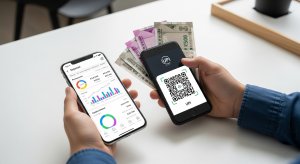
In an increasingly digital world, managing your money effectively means understanding how different payment methods impact your spending habits. For many, the choice often comes down to the tangible feel of cash versus the seamless convenience of UPI (Unified Payments Interface). But which one truly helps you control your spending better?
This article will dive deep into the psychology and practicality of both cash and UPI, comparing their strengths and weaknesses when it comes to financial discipline. You'll learn how each method influences your purchasing decisions and discover actionable strategies to maintain control over your finances, no matter how you choose to pay.
The Tangible Power of Cash: Why Physical Money Can Curb Spending
For centuries, cash was the only way to transact, and it instilled a unique sense of financial awareness. When you pay with cash, you experience a physical exchange that can be a powerful deterrent to overspending.
- Immediate Visual Feedback: Holding physical notes and coins makes the act of spending very real. You see your wallet getting thinner, which creates an immediate visual cue about your diminishing funds.
- Pain of Payment: Studies suggest that parting with physical cash creates more psychological 'pain' than swiping a card or making a digital payment. This discomfort can make you think twice before an impulse purchase.
- Limited Funds: You can only spend what you physically have in your wallet. Once it's gone, it's gone, forcing a natural limit on your expenditures.
- Simpler Tracking (for some): For certain individuals, simply looking at the remaining cash in their wallet or using an expense tracking system to log cash transactions can be an effective way to monitor spending.
However, cash also has its downsides, including security risks, inconvenience for large purchases, and the difficulty of tracking every small transaction without diligent recording.
The Convenience and Challenges of UPI Spending
UPI has revolutionized digital payments, offering unparalleled convenience and speed. With just a few taps on your smartphone, you can pay for almost anything, anywhere. But this ease comes with its own set of challenges for spending control.
- Reduced Friction: The seamless nature of UPI means there's less psychological 'pain' associated with spending. Money seems to vanish from your account without the physical act of handing it over. This can make impulse purchases more likely.
- Easy Access to Funds: Your entire bank balance is typically accessible via UPI, making it easy to spend more than you intended if you don't have a strict budget in place.
- Digital Trail: Every UPI transaction leaves a digital record, which, if utilized correctly, can be a goldmine for tracking your expenses. The challenge lies in actively reviewing and categorizing these transactions.
- Instant Gratification: The speed of UPI payments feeds into instant gratification, potentially overriding thoughtful spending decisions.
Cash vs. UPI: A Direct Comparison for Spending Control
Let's look at how these two methods stack up on key aspects of spending control:
- Visibility: Cash offers high immediate visibility (what's left in your wallet). UPI offers high retrospective visibility (transaction history in your app/bank statement).
- Friction: Cash has higher friction (physical exchange, counting). UPI has very low friction (tap and pay).
- Psychological Impact: Cash creates more 'pain' of payment. UPI creates less, making spending feel less impactful.
- Tracking: Cash requires manual effort to track accurately. UPI generates automatic digital records, but requires effort to categorize and analyze.
- Impulse Control: Cash's limited availability and friction can naturally curb impulse buys. UPI's convenience can facilitate them.
Practical Strategies to Control Spending with Both Methods
Neither cash nor UPI is inherently 'better' for spending control; it's how you use them that matters. Here are strategies for both:
Controlling Spending with Cash:
- The Envelope System: Allocate specific amounts of cash for different spending categories (groceries, entertainment, transport) into separate envelopes. Once an envelope is empty, you stop spending in that category.
- Daily/Weekly Limits: Withdraw only the cash you need for a day or week. This hard limit prevents overspending.
- Track Every Rupee: Use a small notebook or a mobile app to record every cash transaction. This makes your spending visible.
Controlling Spending with UPI:
- Set a Budget and Stick to It: Before you even open your UPI app, know how much you can spend in each category. A well-defined budget is your first line of defense.
- Regularly Review Transactions: Make it a habit to check your UPI transaction history daily or weekly. Categorize expenses to see where your money is actually going.
- Utilize Spending Limits: Some banking apps allow you to set daily transaction limits for UPI. Enable this feature if available.
- Link to a Dedicated Spending Account: Consider linking your UPI to an account with limited funds specifically for daily expenses, separate from your main savings.
Unifying Your Financial View with Depto Flow
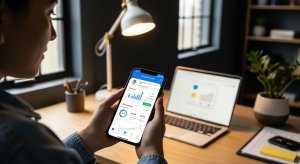
Regardless of whether you primarily use cash or UPI, the key to true spending control is having a clear, unified view of all your income and expenses. This is where a robust expense tracker becomes invaluable.
Depto Flow helps you effortlessly track income and expenses from all sources, including both your cash transactions and your UPI payments. You can record every rupee spent or received, categorize it, and see exactly where your money is going. This comprehensive approach eliminates the guesswork and gives you the power to make informed financial decisions. Beyond just tracking, Depto Flow also allows you to manage budgets, track money lent or borrowed, and record repayments and pending balances, giving you a complete picture of your financial health.
Conclusion
The debate between cash and UPI for spending control isn't about choosing one over the other permanently. It's about understanding their inherent characteristics and leveraging strategies to mitigate their weaknesses while maximizing their strengths. While cash offers tangible feedback and natural limits, UPI provides convenience and a digital trail. The most effective approach combines mindful spending habits with smart tracking tools.
By diligently recording all your transactions, setting realistic budgets, and regularly reviewing your financial activity, you can master your spending no matter which payment method you prefer. Ready to take control of your finances? Start tracking all your expenses today with Depto Flow. Download Depto Flow and gain a clear picture of your money.