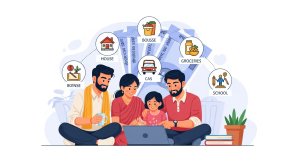

Mastering Your Money: Essential Expense Categories for Indian Households

Do you ever wonder where your money goes each month? You earn, you spend, and by the end, it feels like your hard-earned rupees simply vanished. This common financial puzzle often stems from a lack of clear visibility into your spending. For Indian households, with their unique blend of traditions, joint family responsibilities, and diverse financial commitments, understanding and categorizing expenses is not just helpful – it's crucial for financial stability and growth.
In this guide, we'll dive deep into why effective expense categorization is a game-changer for your financial health. We'll explore essential expense categories tailored for the Indian context, provide practical tips for setting up your own system, and show you how to gain complete control over your money. By the end, you'll have a clear roadmap to track your spending, identify financial leaks, and confidently work towards your financial goals.
Why Categorizing Expenses is Crucial for Indian Households
Managing money in an Indian household comes with its own set of nuances. From festival expenses and family gatherings to supporting elderly parents or children's education, financial responsibilities are often multi-faceted. Without a structured approach, these diverse expenses can quickly become overwhelming, leading to budget blowouts and missed savings opportunities.
Categorizing your expenses offers several powerful benefits:
- Clear Financial Picture: You'll see exactly where every rupee is going, eliminating guesswork.
- Effective Budgeting: Once you know your spending patterns, you can create a realistic and flexible budget that truly works for your family.
- Identify Spending Leaks: Pinpoint areas where you might be overspending and make informed adjustments.
- Achieve Financial Goals: Whether it's saving for a child's wedding, a down payment on a home, or retirement, clear categories help you allocate funds strategically.
- Reduce Financial Stress: Gaining control over your money brings peace of mind and reduces anxiety.
Essential Expense Categories for Every Indian Household
While expense categories can be customized, a solid framework ensures you don't miss anything important. Here are key categories, keeping the Indian household context in mind:
1. Housing & Utilities (Fixed)
These are typically fixed or semi-fixed costs essential for living. They are predictable and often non-negotiable.
- Rent or Home Loan EMIs (check out Mastering Your Money: How to Budget Effectively When You Have Multiple EMIs for tips)
- Electricity Bill
- Water Bill
- Gas (LPG Cylinder/Piped Gas)
- Internet & DTH/Cable TV
- Property Tax (if applicable)
- Maintenance Charges (for apartments)
2. Food & Groceries (Variable)
A significant portion of household spending, this category can fluctuate based on diet, family size, and lifestyle choices.
- Daily Groceries (fruits, vegetables, staples)
- Dairy & Meat Products
- Dining Out/Takeaways
- Snacks & Beverages
- Food Delivery Services
3. Transportation (Variable)
How you commute and travel impacts this category.
- Fuel (Petrol/Diesel/EV Charging)
- Public Transport (Bus, Train, Metro, Auto)
- Cab Services (Ola/Uber)
- Vehicle Maintenance & Servicing
- EMI for Vehicle Loan (if applicable)
4. Personal & Household Care (Variable)
Everyday essentials for hygiene and home maintenance.
- Toiletries & Cosmetics
- Cleaning Supplies
- Laundry & Dry Cleaning
- Haircuts & Salon Services
- Household Help (Maid, Cook, Driver, Gardener)
5. Education (Variable/Fixed)
A critical investment for many Indian families.
- School/College Fees
- Tuition/Coaching Classes
- Books & Stationery
- Uniforms
- Extracurricular Activities
6. Healthcare & Medical (Variable/Irregular)
Essential for well-being, though costs can be unpredictable.
- Doctor Consultations
- Medicines
- Health Check-ups
- Health Insurance Premiums
- Emergency Medical Expenses
7. Savings & Investments (Fixed/Variable)
This is where you secure your future. Treat these as non-negotiable expenses you pay yourself first. Learn the smart order to use your salary in Master Your Monthly Paycheck: The Smart Order to Use Your Salary.
- SIPs (Systematic Investment Plans)
- PPF (Public Provident Fund)
- Emergency Fund Contributions
- Fixed Deposits
- Life Insurance Premiums
- Retirement Contributions
8. Entertainment & Lifestyle (Discretionary)
These expenses contribute to your quality of life but can often be adjusted if needed.
- Movies & Streaming Subscriptions
- Hobbies & Recreation
- Vacations & Travel
- Shopping (Clothes, Gadgets)
- Gym/Club Memberships
9. Festivals & Celebrations (Irregular)
Unique to the Indian context, these can be significant annual expenses.
- Diwali, Holi, Eid, Christmas expenses
- Wedding gifts & expenses
- Birthdays & Anniversaries
- Religious ceremonies
10. Loan Repayments (Fixed)
Apart from home and vehicle loans, other borrowings also need tracking.
- Personal Loan EMIs
- Credit Card Bill Payments
- Education Loan EMIs
How to Effectively Track Your Expenses with Depto Flow
Once you have a clear understanding of your categories, the next step is consistent tracking. While manual methods like notebooks or spreadsheets work, they can be time-consuming and prone to errors. This is where a robust digital tool becomes invaluable.
For many Indian households, tracking diverse expenses across various categories can be challenging. This is where a robust tool like Depto Flow can simplify your financial life. Depto Flow allows you to effortlessly track all your income and expenses, helping you categorize them accurately. Whether it's your monthly rent, festival spending, or even money lent to a relative, you can record it all. Its intuitive interface lets you assign each transaction to your chosen categories, giving you real-time insights into your spending patterns against your budget.
Tips for Creating Your Own Expense Categories
Here’s how to tailor categories to your family's unique needs:
- Start Broad, Then Get Specific: Begin with the main categories listed above, then break them down further as you get comfortable. For instance, 'Food' can become 'Groceries' and 'Dining Out'.
- Be Realistic: Don't create too many categories initially, as it can be overwhelming. Start with 10-15 and refine as you go.
- Review and Adjust Regularly: Your financial life evolves. Review your categories quarterly or annually to ensure they still reflect your spending and goals.
- Involve Family Members: If you manage a joint household budget, involve your spouse or older children in the categorization process. This fosters financial transparency and shared responsibility.
- Link Categories to Financial Goals: For example, if you're saving for a vacation, create a 'Travel Fund' category to track contributions specifically for that goal.
Conclusion
Understanding where your money goes is the first, most critical step towards achieving financial freedom. By implementing a clear and tailored expense categorization system, especially one that considers the unique dynamics of Indian households, you're not just tracking numbers – you're building a foundation for smarter financial decisions, reduced stress, and a more secure future.
To start mastering your household finances today and put these expense categorization strategies into practice, consider trying Depto Flow. Download the app now and take control of your money: Download Depto Flow.