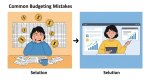

Master Your Money: How to Build a Flexible Budget That Works for You

Introduction: Say Goodbye to Restrictive Budgets
Many people dread budgeting, not because they don't want financial control, but because traditional budgets often feel like a straitjacket. They conjure images of strict rules, deprivation, and constant guilt over every minor purchase. This restrictive feeling often leads to budget abandonment, leaving individuals back at square one with their finances.
But what if budgeting didn't have to be this way? What if you could create a financial plan that adapts to your life, empowers your spending choices, and still helps you achieve your goals? In this guide, we'll show you how to transform your budget from a rigid rulebook into a flexible, powerful tool that supports your financial well-being without making you feel deprived.
Why Traditional Budgets Often Fail (And How to Fix It)
The main reason budgets feel restrictive is often due to an all-or-nothing approach. People set overly ambitious limits, forget to account for variable expenses, or don't build in any room for spontaneity. When life inevitably throws a curveball – a friend's birthday, an unexpected car repair, or even just a craving for takeout – these rigid budgets break, leading to frustration and the belief that budgeting just isn't for them.
The solution lies in embracing flexibility. A flexible budget acknowledges that life is unpredictable and that your financial priorities can shift. It's about setting realistic boundaries and understanding your spending patterns, rather than imposing unsustainable restrictions.
The Foundation of Flexibility: Understanding Your Spending
Before you can build a flexible budget, you need to know where your money is going. This involves tracking your income and expenses diligently for at least a month or two. Categorize your spending to identify patterns and areas where you might be overspending without realizing it.
A crucial step here is to differentiate between your fixed vs. variable expenses. Fixed expenses (like rent, loan payments, subscriptions) are generally the same each month, while variable expenses (like groceries, entertainment, utilities) fluctuate. Understanding this distinction is key to building a budget that bends without breaking.
Key Strategies for a Flexible Budget
- Adopt a Percentage-Based Budget (e.g., 50/30/20 Rule): Instead of strict dollar limits for every category, use percentages. A popular framework is the 50/30/20 rule:
- 50% for Needs: Housing, utilities, groceries, transportation, insurance, minimum debt payments.
- 30% for Wants: Dining out, entertainment, hobbies, shopping, vacations.
- 20% for Savings & Debt Repayment: Emergency fund, retirement, investment, extra debt payments.
- Include a "Flex Fund" or "Miscellaneous" Category: This is your secret weapon against budget rigidity. Allocate a small amount each month for unexpected small expenses or guilt-free impulse buys. This prevents minor deviations from derailing your entire plan and keeps you from feeling deprived.
- Budget for Irregular Expenses: Some expenses aren't monthly (e.g., annual car insurance, holiday gifts, home maintenance). Estimate these annual costs, divide by 12, and set aside that amount monthly into a dedicated savings account. This way, when the expense comes due, you're prepared, and your monthly budget isn't suddenly thrown off track.
- Schedule Regular Budget Reviews: Your budget isn't a static document. Life changes, income fluctuates, and priorities shift. Schedule a monthly or quarterly review to assess if your budget is still working for you. Adjust categories, percentages, or savings goals as needed. This proactive approach keeps your budget relevant and effective.
- Automate Savings and Bill Payments: Automating your savings and bill payments ensures that your financial priorities are met before you even have a chance to spend the money. Set up automatic transfers to your savings accounts and schedule bill payments to align with your paychecks. This builds consistency and reduces the mental effort of managing your money.
Practical Example: Building a Flexible Budget
Let's consider Maya, who earns $3,000 per month after taxes. She felt her previous budget was too strict.
- Income: $3,000
- Applying 50/30/20 Rule:
- Needs (50%): $1,500 (Rent $800, Groceries $300, Utilities $150, Transportation $100, Insurance $50, Minimum Loan Payments $100)
- Wants (30%): $900 (Dining Out $200, Entertainment $150, Hobbies $100, Shopping $200, "Flex Fund" $250)
- Savings & Debt (20%): $600 (Emergency Fund $300, Retirement $200, Extra Debt Payment $100)
In this flexible model, Maya knows she has $900 for her wants. If she spends more on dining out one month, she might choose to reduce her shopping or entertainment budget slightly to stay within the $900 limit. The $250 "Flex Fund" gives her room for a spontaneous concert ticket or a new gadget without feeling guilty or breaking her entire budget. She also consistently puts aside money for savings and debt, ensuring her long-term goals are met.
For those managing multiple loan payments, a flexible budget can be particularly helpful. By allocating a clear percentage to debt repayment, you can strategically decide where to put extra payments without compromising your other financial needs. Learn more about mastering your money with multiple EMIs.
How Depto Flow Helps You Maintain a Flexible Budget
Implementing a flexible budget requires consistent tracking and easy adjustments. This is where tools like Depto Flow become invaluable. Depto Flow allows you to effortlessly track your income and expenses, helping you see exactly where your money goes. You can categorize your spending, monitor your progress against your budget percentages, and quickly identify areas for adjustment during your regular reviews.
With Depto Flow, managing your budget becomes less about rigid rules and more about informed decision-making. You gain visibility into your financial habits, empowering you to make real-time adjustments that keep your budget flexible and aligned with your life, not against it.
Conclusion: Embrace Financial Freedom Through Flexibility
A flexible budget is not a sign of financial weakness; it's a testament to financial intelligence. By understanding your spending, setting realistic boundaries, and building in room for life's inevitable changes, you transform budgeting from a chore into a powerful tool for achieving your financial goals. It's about empowering your choices, not restricting them, leading to greater financial confidence and peace of mind.
Your Next Step: Start Building Your Flexible Budget Today
Begin by tracking your expenses for the next month to understand your current spending habits. Then, apply the principles of flexible budgeting, like the 50/30/20 rule and a "flex fund," to create a plan that truly works for you. For easy and effective expense tracking and budget management, consider trying Depto Flow. Download the app today and take control of your finances: Download Depto Flow.