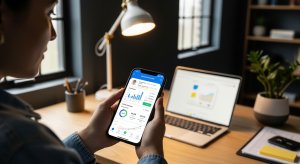

Daily Expense Tracker for Retired People: Simplify Fixed-Income Management

Transitioning from a regular monthly paycheck to living on accumulated savings, pensions, or investments requires a fundamental shift in how you view your cash flow. During your career, earning potential could offset occasional overspending. In retirement, however, your income pool is largely fixed, while living costs, healthcare expenses, and inflation continue to move upward.
Maintaining financial independence in your post-work years does not require complex accounting spreadsheets or stressful financial overhauls. A simple, disciplined habit of using a daily expense tracker for retired people provides clear visibility into where your money goes every day, allowing you to enjoy your retirement years with complete confidence and peace of mind.
The Unique Financial Reality of Retirement
Retirement changes your cash flow dynamics in three distinct ways:
- Fixed or predictable income streams: Income usually comes from specific sources such as pensions, annuities, investment withdrawals, or government benefits on set dates.
- Shift in spending categories: Commuting, work attire, and professional expenses disappear, replaced by increased health insurance copays, prescription drugs, leisure activities, utilities, and home maintenance.
- Unpredictable out-of-pocket health costs: Medical needs rarely follow a predictable calendar, making sudden lump-sum outflows more frequent.
Without daily tracking, small daily purchases—like dining out, gifts for grandchildren, or subscription services—can slowly erode your monthly budget before major bills arrive.
Why Daily Tracking Beats Monthly Budgeting for Seniors
Many retirees rely on end-of-month bank statements to check their balance. However, reviewing receipts 30 days after spending occurs only tells you where your money went, not how to protect it in real time. Daily expense tracking gives you immediate control.
1. Early Detection of Spending Leaks
Checking your spending daily helps you catch unexpected price increases, recurring charges you no longer need, or small habits that accumulate faster than anticipated. Identifying a $15 daily leak in week one preserves your budget for the remaining three weeks.
2. Clear Visibility on Health and Household Outlays
Prescription fees, routine checkups, and home upkeep can vary drastically from month to month. Tracking these expenses daily helps you distinguish between your regular baseline living costs and temporary spending spikes.
3. Protecting Family Finances and Shared Expenses
Retirees frequently assist family members or loan small amounts to relatives. If you lend money or split household utility bills with adult children, keeping clear records ensures everyone stays on the same page without awkward conversations. If you are brand new to record-keeping, reviewing a simple personal finance expense tracker for beginners can help you build this habit step by step.
How to Build an Easy Daily Expense Tracking Routine
The best expense tracker is the one you will actually use every day. To ensure your system remains stress-free, structure your routine around three straightforward rules:
Step 1: Categorize into Core Essentials and Flexible Lifestyle
Divide your budget into non-negotiable needs (housing, utilities, groceries, medication, insurance) and discretionary wants (hobbies, travel, dining, gifts). Knowing your core survival cost gives you immediate clarity on how much flexible cash remains each month.
Step 2: Record Transactions at the End of Each Day
Spend two minutes every evening logging what you spent. Whether you paid with cash, a debit card, or a credit card, log the exact amount and assign it to a category. Keeping this ritual brief prevents record-keeping from feeling like a chore.
Step 3: Monitor Money Lent or Borrowed
If you regularly help family members or organize group outings with friends, log these transactions separately. Keeping precise notes on pending balances or shared expenses prevents misunderstandings and protects your personal retirement fund.
Streamline Your Retirement Expenses with Depto Flow
While paper notebooks work, digital tools eliminate math errors and keep your financial records organized in one accessible place. Depto Flow is designed for effortless expense tracking without confusing menus or complex setups.
With Depto Flow, you can:
- Track daily income and expenses: Quickly log pension payouts, dividend deposits, and daily purchases with clean categories.
- Manage monthly budgets: Set sensible spending limits for groceries, hobbies, or medical care, and receive clear visual feedback on your balance.
- Keep clear records of lent and borrowed money: Easily track financial support given to family members or shared group expenses with clear repayment tracking.
Frequently Asked Questions
How detailed should my daily expense tracking be in retirement?
Keep categories simple. Five to seven broad categories—such as Groceries, Healthcare, Utilities, Leisure, and Miscellaneous—are sufficient. Avoid overly granular categories that make daily logging tedious.
What should I do if my medical expenses vary wildly each month?
Establish a dedicated healthcare buffer in your monthly budget. When medical spending is lower than expected in a given month, roll the surplus over into a healthcare reserve for future specialist visits or prescriptions.
Is a digital expense tracker safe for seniors?
Yes. Modern tracking tools like Depto Flow focus on manual and organized input without asking for sensitive banking passwords or direct transactional account access, keeping your financial identity secure.
Take Control of Your Retirement Cash Flow Today
Managing money on a fixed income does not mean restricting your lifestyle—it means gaining freedom from financial uncertainty. By tracking your daily spending, you ensure your savings last throughout your retirement while maintaining complete clarity over your finances.
Start building your daily habit today. Download Depto Flow to track your daily expenses, set stress-free budgets, and manage your retirement income with ease.