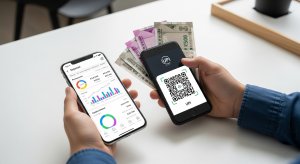

Beyond the Party Poppers: How to Know if Your Event Blew the Budget

Planning an event, whether it's a birthday bash, a wedding shower, or a family reunion, is exciting. But the thrill can quickly turn to dread if you're left wondering, "Did I spend too much?" Without proper tracking, it's easy for costs to spiral, leaving you with financial stress instead of happy memories. The good news? You absolutely can know if your event went over budget, and more importantly, how to prevent it from happening again.
This guide will walk you through the essential steps to track event expenses, compare them against your budget, and accurately determine if you overspent. You'll learn practical strategies to monitor costs in real-time and gain insights for smarter financial planning for all your future gatherings.
Why Event Budgeting is Your Best Friend
A budget isn't about restricting fun; it's about giving you control. For events, a well-planned budget acts as a financial roadmap, helping you allocate funds wisely and prevent unexpected financial shocks. It ensures you can enjoy the occasion without post-event financial regret. Knowing your spending limits upfront empowers you to make informed decisions about vendors, venues, and decorations.
The Three Stages of Event Expense Tracking
Effective event budgeting involves a continuous process, not just a one-time setup. It can be broken down into three crucial stages:
1. Pre-Event: The Planning and Budget Setting Phase
Before you even send out the first invitation, establish a realistic budget. This involves:
- Estimating Major Costs: Think about the big-ticket items first: venue, catering, entertainment, decorations, invitations, and any special equipment.
- Factoring in Smaller Details: Don't forget the little things that add up: party favors, serving utensils, extra ice, tips, and unforeseen contingencies.
- Setting a Total Limit: Decide on a maximum amount you're comfortable spending. Then, allocate specific amounts to each category.
- Creating a Tracking System: Choose how you'll record expenses. A simple spreadsheet, a notebook, or a dedicated expense tracker app can work wonders.
For more detailed guidance on specific events, consider reading Keep Your Party Budget in Check: A Smart Guide to Tracking Birthday Expenses.
2. During the Event: Real-Time Recording
This is where many people fall short. It's easy to get caught up in the moment and forget to log expenses. Make it a habit to:
- Record Immediately: As soon as you make a purchase or payment, jot it down. Don't rely on memory.
- Categorize Expenses: Assign each expense to its pre-defined category (e.g., "Food," "Decorations," "Entertainment").
- Keep Receipts: Take photos of receipts or keep physical copies. These are crucial for verification later.
3. Post-Event: The Reconciliation and Analysis Phase
Once the last guest has left, it's time for the financial review. This is where you get your definitive answer about whether you stayed within budget.
How to Determine if Your Event Went Over Budget: A Practical Scenario
Let's consider a hypothetical scenario: You planned a small family gathering with a total budget of ₹25,000.
Original Budget Breakdown:
- Food & Drinks: ₹10,000
- Decorations: ₹3,000
- Entertainment: ₹5,000
- Venue Rental: ₹6,000
- Miscellaneous/Contingency: ₹1,000
- Total Budget: ₹25,000
Actual Expenses Recorded:
- Catering Service: ₹12,000 (Food & Drinks)
- Balloons & Streamers: ₹1,500 (Decorations)
- Tablecloths & Centerpieces: ₹1,800 (Decorations)
- DJ Service: ₹6,500 (Entertainment)
- Hall Rental: ₹6,000 (Venue Rental)
- Extra Snacks & Soft Drinks (last minute): ₹1,200 (Food & Drinks)
- Gift Bags for Kids: ₹800 (Miscellaneous)
- Total Actual Expenses: ₹30,000
The Calculation:
Total Actual Expenses - Total Original Budget = Variance
₹30,000 - ₹25,000 = ₹5,000
In this scenario, the event went over budget by ₹5,000. By comparing each category, you can see where the overspending occurred:
- Food & Drinks: ₹12,000 (Actual) vs. ₹10,000 (Budget) = +₹2,000
- Decorations: ₹3,300 (Actual) vs. ₹3,000 (Budget) = +₹300
- Entertainment: ₹6,500 (Actual) vs. ₹5,000 (Budget) = +₹1,500
- Venue Rental: ₹6,000 (Actual) vs. ₹6,000 (Budget) = ₹0
- Miscellaneous: ₹800 (Actual) vs. ₹1,000 (Budget) = -₹200
This detailed comparison clearly shows that Food & Drinks and Entertainment were the primary areas of overspending, with Decorations also slightly exceeding its allocation. The miscellaneous category actually came in under budget.
Learning for Future Events
The goal isn't just to identify overspending but to understand why it happened. Was the initial budget unrealistic? Were there unexpected costs? Did you simply lose track? This analysis helps you refine your budgeting skills for future events. Understanding your money habits and spending patterns is key to improving financial control.
Streamlining Event Budgeting with Depto Flow
Manually tracking every receipt and calculating totals can be tedious. This is where a robust expense tracker app becomes invaluable. Depto Flow offers a dedicated feature to help you manage event expenses effortlessly.
With Depto Flow, you can:
- Set up specific budgets for individual events.
- Easily record expenses as they happen, categorizing them instantly.
- Track money lent or borrowed for the event, ensuring everyone is settled.
- View real-time reports that compare your actual spending against your budget, giving you an immediate picture of your financial status for the event.
This means no more guesswork or frantic calculations post-event. You'll know if you're on track or heading over budget as the event unfolds, allowing you to make timely adjustments. If you're looking for the best expense tracker app in India, Depto Flow is designed to simplify these complex tasks.
To take control of your event finances and ensure you never wonder if you went over budget again, try Depto Flow today. Download Depto Flow App.
Conclusion
Knowing whether an event went over budget is not about magic; it's about meticulous planning, diligent tracking, and thorough analysis. By establishing a clear budget, recording expenses consistently, and comparing actuals against your plan, you gain complete financial clarity. This process not only reveals where you stand but also provides invaluable insights for smarter financial decisions in the future.
Your Next Step: Start by creating a detailed budget for your next event. Then, use a reliable tool like Depto Flow to track every expense in real-time. This proactive approach will transform your event planning from a potential financial headache into a stress-free, enjoyable experience. Download Depto Flow and manage your event expenses with ease.