
Uncover Your Money Habits: A Guide to Identifying Spending Patterns with Expense Records
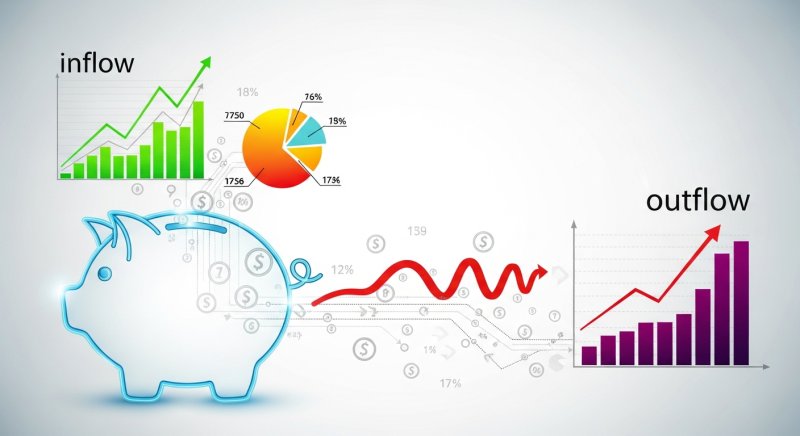
Do you ever wonder where all your money goes? You're not alone. Many people feel a disconnect between their income and their bank balance, leading to financial stress and missed opportunities. The secret to bridging this gap lies in understanding your spending patterns. By meticulously tracking and analyzing your expense records, you can gain profound insights into your financial behavior, identify areas for improvement, and take control of your money.
In this guide, you'll learn a practical, step-by-step approach to identify your unique spending patterns using your expense records. We'll cover how to collect and categorize your data, spot crucial trends, and turn those insights into actionable strategies for better financial health. Get ready to transform your financial future by simply understanding where your money truly goes.
What Are Spending Patterns and Why Do They Matter?
Spending patterns are the recurring ways you allocate your money over time. They reveal your financial habits, priorities, and often, unconscious behaviors. These patterns can be daily (e.g., your morning coffee habit), weekly (e.g., weekend dining out), or monthly (e.g., subscription services). Recognizing these patterns is the first critical step towards achieving financial freedom.
Understanding your spending patterns matters because it:
- Reveals Your True Financial Picture: It shows where your money is actually going, not just where you think it's going.
- Highlights Areas for Savings: You can identify unnecessary expenses or areas where you're overspending.
- Empowers Better Budgeting: With clear data, you can create a realistic and effective budget that aligns with your goals.
- Helps Achieve Financial Goals: Whether it's saving for a down payment, retirement, or a vacation, knowing your patterns helps you allocate funds strategically.
- Reduces Financial Stress: Gaining control over your money brings peace of mind.
The Foundation: Accurate Expense Records
You can't identify patterns without data. The first and most crucial step is to diligently record every single expense. This means tracking everything from your rent and utility bills to your daily chai and grocery trips. Without accurate, comprehensive records, any analysis you attempt will be incomplete and misleading.
Whether you use a notebook, a spreadsheet, or a dedicated expense tracker app, consistency is key. Make it a habit to log your expenses as they happen, or at least daily. This prevents forgotten transactions and ensures your data is reliable.
Step-by-Step Guide to Identifying Your Spending Patterns
1. Collect Your Data
Gather all your financial records from the past 1-3 months. This includes:
- Bank statements
- Credit card statements
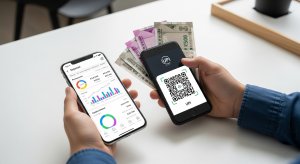
- Digital payment transaction histories (UPI, wallets)
- Physical receipts
- Any manual expense logs you maintain
Aim for at least three months of data to see meaningful trends, but six months or a year is even better for capturing seasonal variations.
2. Categorize Your Expenses Consistently
This is where the magic begins. Assign every single expense to a specific category. Common categories include:
- Housing (rent/EMI, utilities)
- Food (groceries, dining out)
- Transportation (fuel, public transport)
- Entertainment (movies, hobbies)
- Personal Care (salon, gym)
- Debt Payments (loans, credit cards)
- Savings & Investments
- Miscellaneous
The key is consistency. For example, always put your morning coffee in 'Dining Out' or 'Food & Drinks', not sometimes in one and sometimes in another. Clear categorization makes analysis much simpler.
3. Analyze the Data Over Time
Once your expenses are categorized, it's time to look for trends.
- Monthly Averages: Calculate how much you spend in each category per month.
- Category Breakdown: See what percentage of your total income or spending goes into each category.
- Month-to-Month Comparison: Identify fluctuations. Did your food bill jump in a particular month? Why?
- Weekly Habits: Notice if you consistently spend more on certain days of the week (e.g., weekends).
4. Spotting Red Flags and Opportunities
As you analyze, certain patterns will emerge:
- Recurring Subscriptions: Are you paying for services you no longer use?
- Impulse Purchases: Do you frequently buy items on a whim, especially online?
- Emotional Spending: Do you tend to spend more when stressed, bored, or celebrating?
- Discretionary vs. Fixed Costs: Clearly differentiate between essential expenses and wants.
Look for discrepancies. If you think you spend ₹5,000 on dining out but your records show ₹15,000, that's a significant insight. These insights are your opportunities to adjust.
5. Visualizing Your Spending
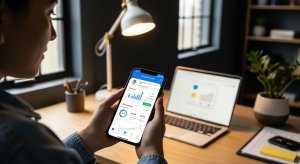
If you're using a spreadsheet, create simple charts (bar graphs for categories, line graphs for monthly totals). Visuals make patterns much easier to grasp than raw numbers. Many expense tracker apps offer built-in reporting features that automatically generate these visuals, simplifying the analysis process significantly.
Turning Insights into Action
Identifying patterns is only half the battle. The real power comes from acting on these insights:
- Set Realistic Budgets: Based on your actual spending, create a budget that reflects your reality and goals.
- Prioritize Spending: Allocate more to what truly matters and less to what doesn't.
- Cut Unnecessary Expenses: Cancel unused subscriptions, reduce dining out, or find cheaper alternatives.
- Build Savings: Once you free up funds, direct them towards your savings goals.
Remember, financial management is an ongoing process. Regularly review your spending patterns, perhaps as part of a monthly financial reset, and adjust your strategies as needed.
How Depto Flow Helps You Uncover Spending Habits
Manually tracking and categorizing every transaction can be time-consuming. This is where a dedicated tool like Depto Flow becomes invaluable. Depto Flow simplifies the process of tracking your income and expenses, allowing you to quickly log every transaction.
By consistently using Depto Flow, you build a comprehensive record of your financial activities. Its intuitive interface helps you categorize expenses efficiently, making it easy to see where your money goes at a glance. Instead of sifting through bank statements, you'll have a clear, organized view of your spending, empowering you to identify patterns and make informed financial decisions effortlessly. This kind of detailed record-keeping is crucial whether you opt for bank-linked or manual expense tracking apps.
Conclusion
Uncovering your spending patterns is a powerful step towards mastering your personal finances. By diligently collecting, categorizing, and analyzing your expense records, you gain clarity, identify opportunities for savings, and ultimately take control of your financial destiny. It's not about restriction, but about conscious choice and aligning your spending with your values and goals.
Start today by reviewing your recent expenses. For a seamless way to track, categorize, and understand your financial flow, download Depto Flow and begin your journey to financial clarity: Download Depto Flow.