
Your First Step to Financial Freedom: A Beginner's Guide to Expense Tracking

Ever wondered where all your money goes by the end of the month? You're not alone. For many, the idea of tracking every single penny feels daunting, but it's the most powerful first step towards taking control of your finances. This guide will walk you through how to start expense tracking for the very first time, making it simple, straightforward, and genuinely helpful. You'll learn why it's crucial, the easiest ways to get started, and how to turn raw data into actionable insights for a healthier financial life.
What is Expense Tracking and Why Does it Matter?
Expense tracking is simply the process of recording and categorizing every dollar you spend. It's like keeping a diary for your money, showing you exactly where it flows. Why does this matter? Because true financial control begins with awareness. Without knowing where your money is going, it's impossible to make informed decisions about saving, investing, or cutting back. It's the foundation upon which effective budgeting and financial planning are built.
Understanding your spending habits helps you:
- Identify Wasteful Spending: Pinpoint areas where you can cut back without sacrificing your quality of life.
- Achieve Financial Goals: Whether it's saving for a down payment or paying off debt, tracking helps you allocate funds effectively.
- Create Realistic Budgets: Accurate spending data is the bedrock of a budget that actually works.
- Reduce Financial Stress: Knowing where your money goes brings clarity and peace of mind.
Your Step-by-Step Guide to Starting Expense Tracking
Ready to demystify your spending? Here’s a practical, step-by-step approach to begin tracking your expenses:
1. Choose Your Tracking Method
The first decision is how you'll record your expenses. There are two main approaches:
- Manual Tracking: Simple notebooks, dedicated journals, or even a basic spreadsheet can work. This method gives you hands-on involvement, which can reinforce awareness. The downside is it requires consistent manual entry and calculations.
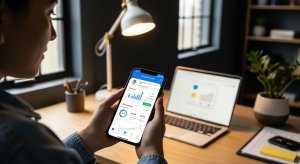
- Digital Tools: Modern expense tracking apps or advanced spreadsheets offer automation, categorization, and visual reports. They often link directly to your bank accounts for seamless data import, drastically reducing manual effort. For beginners, a digital tool can often be less intimidating due to its ease of use.
2. Gather Your Financial Data
Before you start, collect recent bank statements, credit card statements, and any significant receipts you have. This helps you get a snapshot of your past spending habits and ensures you don't miss anything from the start of your tracking journey.
3. Categorize Your Spending
This is where the magic happens. Assign each expense to a category. Common categories include: Housing (rent/mortgage), Utilities (electricity, water), Groceries, Transportation (fuel, public transport), Dining Out, Entertainment, Personal Care, and Savings. You can create subcategories as needed, but start broad to avoid overcomplicating things. Think about what’s essential versus discretionary.
4. Record Every Transaction, Consistently
Whether you buy a coffee or pay your rent, log it. The key here is consistency. Make it a daily habit to quickly jot down or input your expenses. Small, seemingly insignificant purchases add up quickly and can significantly skew your financial picture if ignored.
5. Review Your Spending Regularly
Tracking isn't a one-time event. Set aside time each week or month to review your expenses. Look at your categories: Are you spending more than you thought on dining out? Less on groceries? This review phase is critical for identifying spending patterns and areas for improvement. This regular check-in is also a great precursor to creating a budget. For more on that, consider reading our guide on How to Create a Monthly Budget That Actually Works.
6. Adjust and Optimize
Based on your reviews, make conscious decisions. If your entertainment budget is consistently over, can you cut back, or do you need to adjust your budget? Expense tracking provides the data; you provide the action. This iterative process is how you gain true financial mastery.
Common Mistakes to Avoid When You're New to Expense Tracking
As you embark on this journey, be mindful of these common pitfalls:
- Overcomplicating Categories: Don't create dozens of tiny categories initially. Start broad and refine as you go. Simplicity breeds consistency.
- Inconsistency: Missing a few transactions here and there can quickly distort your financial picture. Try to log expenses as soon as they happen or at least once a day.
- Ignoring Small Expenses: The daily coffee, the quick snack – these 'micro-expenses' can accumulate into significant amounts over time. Every penny counts.
- Giving Up Too Soon: It takes time to build a new habit. Don't get discouraged if you miss a day or two. Just pick up where you left off.
Making Expense Tracking Easier with Technology
While manual methods work, modern technology can significantly streamline the expense tracking process, making it less of a chore and more of an insightful habit. Apps designed for personal finance can automate much of the heavy lifting, giving you more time to focus on understanding your money.
For instance, an app like Depto Flow is built to simplify tracking your income and expenses. It allows you to quickly record every transaction, categorize it effortlessly, and see where your money is truly going at a glance. This immediate visibility helps you apply the insights from your tracking much faster, enabling you to make informed decisions about your spending and saving habits. Instead of manually tallying numbers, you get clear reports and summaries, making the 'review and adjust' steps much more efficient. Whether you're tracking daily spending or even managing money lent or borrowed, Depto Flow provides a clear, organized way to keep tabs on all your financial movements.
Ready to take control of your finances with ease? Download Depto Flow today and start your simplified expense tracking journey.
Practical Tips for Sticking With It
- Set Reminders: Use your phone or calendar to remind you to log expenses daily or review weekly.
- Make it a Habit: Link expense tracking to an existing daily routine, like your morning coffee or before bed.
- Don't Aim for Perfection: It's okay if you miss a transaction occasionally. The goal is progress, not perfection.
- Celebrate Small Wins: Acknowledge when you stick to your tracking, or when you identify an area to save money. Positive reinforcement helps.
Conclusion
Starting to track your expenses for the first time might seem daunting, but it's a foundational step towards achieving financial clarity and control. By choosing a method, consistently recording your spending, categorizing it, and regularly reviewing your habits, you gain invaluable insights into your financial life. This awareness empowers you to make smarter decisions, save more, and ultimately build a more secure financial future.
Your Next Step to Financial Awareness
Don't wait to gain control of your money. Start tracking your expenses today. Choose a method that suits you, commit to consistency, and begin uncovering where your money truly goes. For a seamless and intuitive experience, consider using Depto Flow to track your income and expenses effortlessly. Download the Depto Flow app and begin your journey to financial awareness.