
Unmasking Your Money Leaks: How to Identify Your Top 3 Spending Problems

Introduction: Where Does All Your Money Go?
Do you ever feel like your hard-earned money vanishes into thin air? You're not alone. Many people struggle to understand exactly where their income goes each month, leading to financial stress and missed savings goals. The first step to gaining control of your finances isn't about earning more, but about understanding and managing what you already have. In this guide, you'll learn a practical, step-by-step approach to identify your top three spending problems, giving you the clarity needed to make smarter financial decisions and build a healthier financial future.
Why Pinpointing Spending Problems is Crucial for Your Financial Health
Ignoring where your money goes is like trying to navigate a ship without a compass. You might drift, but you won't reach your desired destination. Identifying your primary spending issues is the bedrock of effective personal finance. It empowers you to:
- Stop Financial Leaks: Plug the holes where money is unnecessarily seeping away.
- Achieve Financial Goals: Redirect funds towards savings, investments, or debt repayment.
- Reduce Stress: Gain confidence and peace of mind knowing you're in control.
- Make Informed Decisions: Understand the real cost of your lifestyle choices.
Step 1: Track Every Rupee (and Penny) Meticulously
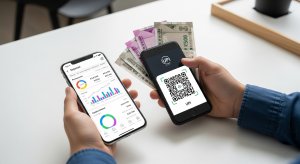
You can't fix what you don't measure. The absolute first step to identifying spending problems is to track every single expense, no matter how small. This includes cash transactions, UPI payments, debit card swipes, and online purchases. For a month, diligently record every expense. Many find this eye-opening, realizing how quickly small, seemingly insignificant purchases add up.
For seamless tracking of all your transactions, including cash and UPI expenses, a reliable app can be incredibly helpful. You might find this guide on the best app to track cash and UPI expenses useful.
Step 2: Categorize to Conquer Your Spending Data
Once you have a record of your expenses, the next crucial step is to categorize them. Grouping similar expenses together allows you to see patterns and understand where the bulk of your money is going. Common categories include:
- Housing: Rent/Mortgage, utilities, maintenance
- Food: Groceries, dining out, coffee, snacks
- Transportation: Fuel, public transport, vehicle maintenance
- Personal Care: Haircuts, toiletries, cosmetics
- Entertainment: Movies, concerts, hobbies, subscriptions
- Debt Payments: Loan EMIs, credit card bills
- Shopping: Clothing, electronics, household items
- Savings/Investments: SIPs, FDs, emergency fund
- Miscellaneous: Uncategorized small expenses
Use consistent categories to ensure accurate analysis.
Step 3: Analyze Your Data to Uncover Spending Habits
With your expenses tracked and categorized, it's time to play detective. Look at your categorized spending over a month or two. Ask yourself:
- Which categories have the highest totals?
- Are there any categories where spending seems disproportionately high compared to your income or priorities?
- Do you notice any recurring patterns or spikes in certain categories?
- Are there expenses you forgot about or didn't realize were so frequent?
This analysis will start to reveal your unique spending landscape.
Common Spending Pitfalls to Look For
While everyone's spending habits are unique, some common pitfalls often lead to financial trouble:
1. Impulse Purchases
Those unplanned buys, whether it's a new gadget you saw online or an extra item at the grocery checkout, can significantly drain your wallet over time. They often provide a fleeting thrill but can derail your budget.
2. Subscription Overload
From streaming services to fitness apps and online courses, recurring subscriptions are easy to sign up for and even easier to forget. Many people pay for services they rarely use.
3. Lifestyle Creep
As your income increases, so does your spending. This gradual increase in discretionary spending, often without conscious thought, can prevent you from saving more even when you earn more.
4. Dining Out and Convenience Spending
Eating out frequently, ordering takeaways, or constantly buying coffee can be a major budgetbuster. The convenience comes at a premium that adds up quickly.
5. Emotional Spending
Shopping to alleviate stress, boredom, or sadness is a common coping mechanism. While it might offer temporary relief, it often leads to regret and financial strain.
Pinpointing Your Top Three Spending Problems: A Practical Approach
Now, combine your tracked data with an understanding of common pitfalls. Review your categorized expenses and identify the top three areas where you spend the most, or where your spending feels most out of control. It might be:
- The largest category: For example, dining out makes up 30% of your take-home pay.
- A surprisingly high category: You didn't realize how much you spent on online shopping.
- An emotionally driven category: You frequently buy things when you're stressed.
Once you've identified these top three, ask yourself "Why?" for each. Is it convenience? Habit? Emotional need? Understanding the root cause is key to finding a sustainable solution.
Actionable Strategies to Tackle Your Spending Problems
With your top three spending problems identified, it's time to take action:
- Create a Budget: Allocate specific amounts to each spending category. Consider methods like the 50/30/20 rule (50% needs, 30% wants, 20% savings/debt) or a zero-based budget. For more detailed guidance, explore resources like how to thrive on a ₹20,000 monthly salary in India.
- Set Spending Limits: For your problem areas, set strict weekly or monthly limits.
- Automate Savings: Set up automatic transfers to your savings account right after payday to prioritize saving over spending.
- Review Subscriptions: Cancel any unused or unnecessary subscriptions.
- Plan Meals: Reduce dining out by planning and preparing meals at home.
- Delay Gratification: For impulse buys, implement a 24-hour rule. If you still want it after a day, then consider it.
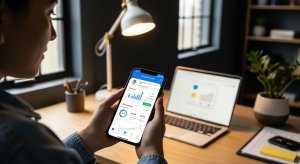
Managing your money effectively requires clear visibility into your financial landscape. Depto Flow can be an invaluable tool here. Its robust income and expense tracking features allow you to meticulously record every transaction, while its budget management tools help you set and stick to spending limits for each category. This means you can easily see where your money is going, identify your top spending problems, and take proactive steps to address them.
Conclusion: Take Control of Your Financial Future
Identifying your top three spending problems is a powerful step towards financial freedom. By diligently tracking, categorizing, and analyzing your expenses, you gain invaluable insights into your money habits. Remember, it's not about deprivation, but about intentional spending that aligns with your values and goals. Take the initiative to understand your money better, and you'll be well on your way to a more secure and prosperous financial life.
Ready to gain clarity on your spending and take control of your finances? Download Depto Flow today and start tracking your expenses effortlessly. Visit https://flow.depto.in/app/download-app to get started!