
Manual vs. Digital: Unpacking the Truth About Expense Tracking Privacy

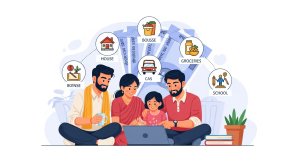
When it comes to managing personal finances, tracking your expenses is a fundamental step. But as you decide between a trusty notebook and a modern budgeting app, a critical question often arises: 'Is manual expense tracking more private?' Many believe that keeping financial records offline in a physical ledger or a simple spreadsheet offers superior privacy, free from the prying eyes of tech companies. However, the reality of financial privacy is more nuanced than a simple manual-versus-digital debate. In this article, we'll dive deep into the privacy and security aspects of both manual and digital expense tracking methods, helping you understand the real risks and benefits of each, so you can make an informed decision for your financial well-being.
Understanding Manual Expense Tracking
Manual expense tracking refers to recording your financial transactions without the use of dedicated software or online platforms. This often involves jotting down every purchase in a physical notebook, a personal ledger, or inputting data into a spreadsheet on your computer. The appeal is straightforward: you control the data entirely. There's no third-party server, no cloud storage, and seemingly no company analyzing your spending habits. For many, this hands-on approach feels inherently more secure and private, offering a direct sense of ownership over sensitive financial information. If you're curious about the fundamentals, understanding what a personal ledger is and how it works can provide a great starting point.
The Perceived Privacy of Manual Methods
The perception that manual tracking is more private stems from several points. Firstly, your data isn't being transmitted over the internet, reducing the risk of online interception. Secondly, there's no requirement to agree to terms of service or privacy policies that might outline how your data is collected or used by an app provider. You're not sharing your bank credentials or transaction details with any external entity. This direct control over where your data resides – typically on your device or in a physical location – makes it feel impenetrable to external threats, giving a strong sense of personal data sovereignty.
The Reality of Manual Tracking's Privacy and Security
While the perceived privacy of manual tracking is strong, it's crucial to examine the practical security implications.
- Physical Security Risks: A physical notebook or printed spreadsheet can be lost, stolen, or accidentally damaged by fire or water. If it falls into the wrong hands, anyone can access your detailed financial history without needing a password.
- Digital Manual Tracking (Spreadsheets): If you use a spreadsheet on your computer, its privacy depends heavily on your device's security. Is your computer password-protected? Is the file itself encrypted? If your device is compromised by malware or a hacker, or simply left unlocked, your financial data could be exposed. Storing spreadsheets on cloud services like Google Drive or Dropbox, while convenient, reintroduces some of the same third-party privacy considerations as financial apps, albeit with different terms.
- Backup Challenges: Manual methods often lack robust, automated backup systems. Losing your data means losing valuable financial history, which can hinder your ability to use spending history to create a budget that works or organize your finances for the year.
- Human Error: Errors in manual entry are common and can compromise the accuracy of your records, leading to incorrect financial insights.
In essence, while you might not be sharing data with a company, you're responsible for all aspects of its security and integrity.
How Digital Expense Tracking Works (and Its Privacy Measures)
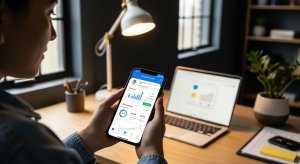
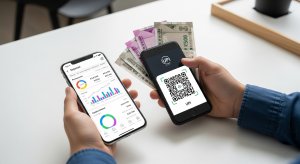
Modern digital expense tracking apps have evolved significantly, placing a strong emphasis on user privacy and data security.
- Encryption: Reputable apps use advanced encryption (like 256-bit AES) for data both in transit (when you connect to the app's servers) and at rest (when stored on their servers). This makes your data virtually unreadable to unauthorized parties.
- Secure Servers: Data is stored on highly secure, often bank-grade, servers with robust physical and digital security measures, regular audits, and compliance with industry standards.
- Strict Privacy Policies: Legitimate financial apps explicitly state how your data is used. They typically do not sell your personal financial data to third parties. Their business models rely on subscriptions or premium features, not data exploitation.
- Anonymization and Aggregation: When data is used for analytics or to improve services, it's often anonymized and aggregated, meaning individual user data cannot be identified.
- User Control: Many apps offer features like two-factor authentication (2FA), biometric login, and the ability to delete your data upon request, giving you more control over access.
The key is choosing a reputable app from a trustworthy developer with transparent privacy practices.
Beyond Privacy: Other Factors to Consider
While privacy is a significant concern, it's not the only factor when choosing an expense tracking method.
- Accuracy and Efficiency: Digital apps often automate transaction imports, minimizing manual errors and saving time.
- Insights and Analytics: Apps provide instant categorization, spending reports, and visualizations that are nearly impossible to generate manually, helping you understand your financial habits deeply.
- Accessibility: Digital records are accessible from multiple devices, anytime, anywhere.
- Security (Overall): While physical methods avoid online risks, they introduce physical security risks. Digital methods mitigate physical risks but rely on robust cybersecurity. Both require vigilance.
For instance, organizing a year's worth of personal expenses can be a daunting task manually, but digital tools can simplify this process significantly, allowing you to master your money's year with ease.
Making the Right Choice for You
The 'most private' method isn't just about manual versus digital; it's about your personal comfort level, your security practices, and what helps you stay consistent.
- If you choose manual: Be diligent about physical security. Store your records in a secure, private place, and consider backup strategies (e.g., scanning important pages).
- If you choose digital: Select apps from reputable companies known for strong security and transparent privacy policies. Use strong, unique passwords, enable 2FA, and keep your devices updated.
A hybrid approach, where you manually track certain sensitive transactions and use an app for general spending, can also be effective.
Leveraging Digital Tools for Secure Expense Management
For those seeking the efficiency and insights of digital tracking without compromising on privacy, selecting the right tool is paramount. Apps like Depto Flow are designed with user security and privacy in mind. Depto Flow allows you to securely track your income and expenses, manage budgets, and even track money lent or borrowed, recording repayments and pending balances. This means you gain the convenience of automated organization and clear financial insights, all within a secure environment. Instead of worrying about data being sold, you can focus on making informed financial decisions. Depto Flow's commitment to not selling user data ensures your financial journey remains private and focused on your goals. By leveraging such tools, you can experience the best of both worlds: efficient financial management with robust privacy safeguards.
Conclusion
Ultimately, the question of whether manual expense tracking is 'more private' doesn't have a simple yes or no answer. Both manual and digital methods come with their own set of privacy and security considerations. While manual tracking keeps your data off the cloud, it introduces significant physical security and data integrity risks. Reputable digital expense tracking apps, on the other hand, employ sophisticated encryption and strict privacy policies to protect your information, offering a different, often more robust, layer of security against various threats. The best approach is to understand the risks of each, practice strong personal security habits, and choose a method – or a combination – that aligns with your comfort level and financial goals. To explore a secure and efficient way to manage your finances, consider trying Depto Flow today. Download the Depto Flow app and take control of your financial privacy and well-being.