
Master Your Money: How to Use Spending History to Create a Budget That Works

Are your budgets always falling short? Do you set financial goals only to find yourself overspending by mid-month? You're not alone. Many people struggle with budgeting because their plans are based on intentions, not reality. The secret to building a truly effective budget isn't about guesswork; it's about understanding your past. By diving into your spending history, you can uncover hidden patterns, identify financial leaks, and create a realistic budget that you can actually stick to.
In this guide, you'll learn a practical, step-by-step approach to leverage your past spending data. We'll show you how to gather and categorize your expenses, analyze your financial habits, and transform those insights into a powerful, personalized budget. Get ready to take control of your money and build a financial plan that genuinely reflects your life.
Why Your Spending History is Your Best Budgeting Tool
Imagine trying to navigate a new city without a map or GPS. That's what budgeting without understanding your spending history feels like. Your financial past provides the most accurate map of where your money actually goes, not just where you think it goes. It reveals:
- Real Habits vs. Intentions: You might intend to spend less on dining out, but your history shows you consistently spend a significant amount. This insight allows for realistic adjustments.
- Hidden Expenses: Those small, recurring subscriptions or impulse purchases add up. Your spending history brings them to light.
- Seasonal Fluctuations: Holiday spending, summer activities, or back-to-school costs can throw off a generic budget. Your history accounts for these cycles.
- Areas for Improvement: Once you see exactly where your money is going, it becomes much easier to identify categories where you can cut back without feeling deprived.
Without this data, any budget you create is largely an educated guess, prone to failure. With it, you build a budget based on undeniable facts.
Gathering Your Spending Data: The First Step
Before you can analyze, you need data. The good news is, you likely already have it. Here's where to look:
- Bank Statements: Your primary checking account statements will show most of your debit card transactions, direct debits, and bill payments.
- Credit Card Statements: Essential for tracking credit purchases. If you use multiple cards, gather all statements.
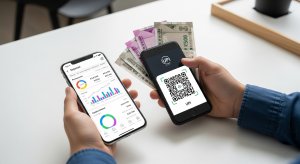
- Digital Payment Apps: PayPal, Google Pay, Apple Pay, or other digital wallets often have their own transaction histories.
- Expense Tracking Apps: If you're already using an app, this is the easiest source.
- Physical Receipts: Less common in the digital age, but don't overlook them for cash purchases.
Aim to gather at least 3-6 months of data. A full year is even better, as it captures seasonal variations. Once collected, you can input this data into a spreadsheet or use a dedicated expense tracking tool.
Categorizing Your Expenses for Clarity
Raw data isn't useful until it's organized. Categorizing your expenses is crucial for understanding where every rupee goes. Create clear, distinct categories. Here's a common breakdown:
- Fixed Expenses: These are generally the same amount each month and are difficult to change in the short term. Examples: Rent/Mortgage, Loan EMIs, Insurance Premiums, Subscriptions.
- Variable Expenses: These fluctuate month to month and offer more flexibility for adjustments. Examples: Groceries, Utilities, Transport, Dining Out, Entertainment, Clothing.
- Needs vs. Wants: A helpful lens for categorization. Needs are essential for living (shelter, food, utilities), while wants are discretionary (entertainment, dining out, new gadgets).
For a deeper dive into organizing your financial records, you might find our guide on what a personal ledger is and how it works very helpful.
Analyzing Your Spending Patterns: Uncovering Insights
With your expenses categorized, it's time to play detective. Look for:
- Recurring Trends: Do you consistently spend more on groceries in the first week of the month? Is your utility bill always higher in certain seasons?
- Problem Areas: Where are you consistently overspending? Many people find dining out, impulse shopping, or excessive subscriptions to be significant drains. For instance, if you consistently spend 30-40% of your discretionary income on eating out, that's a clear area for adjustment. Our article on how to save money while eating out offers practical solutions.
- Average Spending: Calculate the average amount you spend in each variable category over the 3-6 month period. This average is your realistic baseline for your new budget.
- One-Time vs. Regular Expenses: Distinguish between a one-off car repair and your regular fuel costs.
Example: 3-Month Spending Snapshot
| Category | Month 1 (INR) | Month 2 (INR) | Month 3 (INR) | Average (INR) |
|---|---|---|---|---|
| Rent | 15,000 | 15,000 | 15,000 | 15,000 |
| Groceries | 6,500 | 7,200 | 6,800 | 6,833 |
| Dining Out | 4,000 | 5,500 | 4,800 | 4,767 |
| Transport | 2,000 | 2,300 | 2,100 | 2,133 |
| Entertainment | 3,000 | 2,500 | 3,200 | 2,900 |
From this snapshot, you can see that while rent is fixed, dining out and entertainment show significant variability. The average gives you a solid starting point for your budget allocation.
Building Your Budget Based on Real Data
Now, armed with actual numbers, you can construct a budget that's tailored to your life. Follow these steps:
- List All Income: Start with your net monthly income (after taxes and deductions).
- Allocate Fixed Expenses: Subtract all your fixed expenses from your income. These are non-negotiable for the short term.
- Set Limits for Variable Expenses: Use your calculated averages as the baseline. Then, consciously decide if you want to maintain that spending level or reduce it. For example, if your average dining out is INR 4,767, you might decide to budget INR 3,500 to save more.
- Factor in Savings and Debt Repayment: Before allocating all your remaining funds to spending, prioritize savings (e.g., emergency fund, retirement) and debt repayment. This is where the 50/30/20 rule (50% needs, 30% wants, 20% savings/debt) can be applied, adjusting based on your real spending and financial goals.
- Include a Buffer: Always leave a small buffer for unexpected costs. This prevents budget blowouts when something unforeseen happens.
If you've encountered issues with budgeting in the past, understanding these patterns can help you avoid common budgeting mistakes.
Turning Insights into Actionable Budget Adjustments
A budget isn't just a spreadsheet; it's a living document that guides your spending. Here's how to make it actionable:
- Set Realistic Goals: Instead of a vague goal like "spend less," aim for "reduce dining out by INR 1,000 this month."
- Track Progress Regularly: Monitor your spending against your budget throughout the month. This helps you identify deviations early.
- Adjust as Needed: Life happens. If your budget isn't working, don't abandon it. Adjust your categories or limits based on new insights or changing circumstances.
- Find Alternatives: If you identify an area of overspending, brainstorm cost-effective alternatives. For instance, meal prepping instead of daily takeaways.
Understanding your spending history is also key to preventing lifestyle creep, where increased income leads to increased spending rather than increased savings.
Leveraging Tools for Effective Budgeting
Manually tracking every transaction and categorizing it can be time-consuming. This is where modern financial tools shine. To effectively track your income and expenses and manage your budget based on your spending history, tools like Depto Flow can be invaluable. It helps you record every transaction, categorize them, and get a clear picture of where your money is going. This historical data is then easily accessible to refine your budget and ensure you're sticking to your financial goals.
Depto Flow simplifies the process of logging your daily spending, providing you with a clear, categorized view of your financial outflows. This makes the analysis phase much faster and helps you build a budget rooted in actual data, not just assumptions. When you consistently track your expenses, you gain the power to make informed decisions and create a budget that truly supports your financial aspirations.
Conclusion
Creating a budget doesn't have to be a frustrating exercise in self-denial. By tapping into the rich data of your past spending history, you can build a realistic, effective, and sustainable financial plan. This approach transforms budgeting from a chore into an empowering strategy, helping you understand your financial habits and make conscious choices about where your money goes.
Ready to take control of your finances and build a budget that actually works? Start by diligently tracking your spending and then use that data to craft a budget that truly reflects your life and goals. Download Depto Flow today and start tracking your spending history for a smarter financial future.