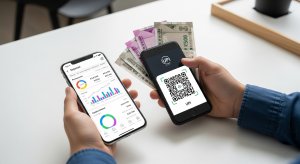

Money Manager App for People Who Use Multiple UPI Apps
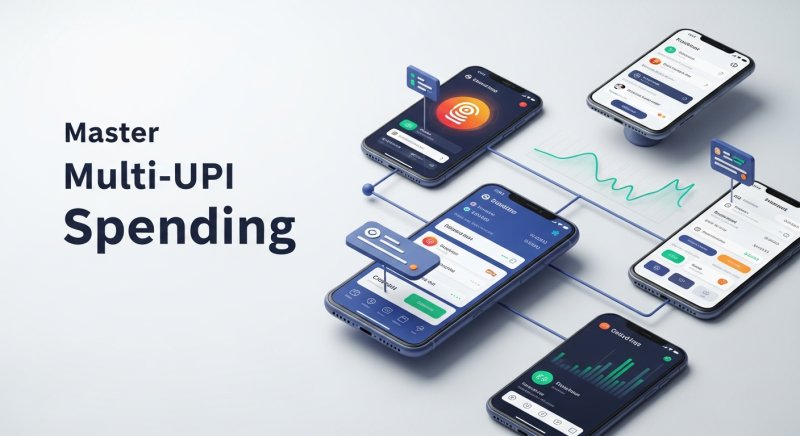
Digital payments have eliminated the need to carry physical cash, but they have introduced a subtle financial problem: platform fragmentation. On any given day, you might pay for groceries using Google Pay, order dinner through PhonePe, clear a credit card bill via CRED, and send money to a friend through Paytm or BHIM. Because your transactions split across multiple apps and connected bank accounts, getting an accurate picture of your monthly spending becomes frustratingly difficult.
When micro-transactions occur across four different digital wallets and payment interfaces, money leaks through the cracks. A small purchase here and a quick reimbursement there quickly blur your overall budget. To regain control, you need a centralized money management strategy that aggregates your financial picture without requiring hours of manual reconciliation.
The Hidden Costs of Multi-UPI Fragmentation
Using multiple UPI payment apps is convenient, but it hides your true spending habits behind fragmented transaction histories. Here is why reliance on multiple payment gateways creates financial blind spots:
- Scattered Transaction Logs: Each app only displays transactions made through its specific interface, forcing you to open four different history tabs to figure out where your salary went.
- Vague Statement Identifiers: Bank statements often display cryptic merchant codes or generic UPI handles rather than clear business names, making end-of-month expense reviews confusing.
- Unchecked Peer-to-Peer Loans: UPI makes sending money to friends effortless. However, informal loans, shared dinner bills, and temporary IOUs get lost in messaging threads or buried deep within payment histories.
- Illusion of Abundance: Splitting funds across multiple linked bank accounts can make you feel like you have more disposable income than you actually do, leading to impulse purchases.
Understanding these friction points is the first step toward building better financial discipline. If you want to learn more about how consistent tracking transforms your mindset, read our guide on How Personal Finance Tracking Improves Financial Discipline.
What to Look For in a Multi-UPI Money Manager
To solve payment fragmentation, you need a single source of truth—a dedicated money manager app that organizes your entire financial life in one place. Not all tracking apps handle multi-app spending effectively. Look for these essential features:
1. Unified Expense & Income Categorization
Your tracking tool must allow you to group transactions by category (such as Groceries, Utilities, Dining Out, or Transport) regardless of which payment app executed the transfer. A unified tagging system gives you instant clarity on actual category totals.
2. Comprehensive Money Lent & Borrowed Tracking
Peer-to-peer transfers represent a massive portion of UPI transactions. Standard budget tools treat every outgoing transfer as a permanent expense. A proper money manager distinguishes between an actual cost and a temporary balance you expect to receive back.
3. Account-Agnostic Cash Flow Management
Whether you pay directly from a primary savings account, a secondary salary account, or a wallet balance, your tool should track total net cash flow across all accounts. For families managing shared digital payments, review our detailed guide on Money Manager App for Tracking Household Cash Flow: A Complete Guide.
How to Consolidate Your Multi-App Spending Step-by-Step
Step 1: Audit Your Active Payment Apps
List every payment application installed on your phone and identify which bank account or debit card feeds each app. Eliminating unused apps reduces security exposure and simplifies transaction audits.
Step 2: Establish a Daily 2-Minute Logging Routine
While automated SMS readers exist, semi-automated or intentional entry encourages mindfulness. Spending 60 seconds every evening logging your daily transfers into a central app ensures no hidden subscription or micro-payment goes unrecorded.
Step 3: Track Repayments and Pending Balances Immediately
Whenever you send money to cover a group bill via PhonePe or Paytm, record it under a dedicated register immediately. When your friends reimburse you through Google Pay, mark that specific pending balance as settled.
Streamline Your Digital Wallet Tracking with Depto Flow
If you are tired of switching between multiple transaction histories, Depto Flow provides the exact structure needed to unify your financial tracking. Designed for clarity and control, Depto Flow simplifies daily money management without complex setups.
With Depto Flow, you can:
- Track Income & Expenses: Record incoming and outgoing payments from any source into clean, customizable categories.
- Manage Money Lent & Borrowed: Keep a precise record of who owes you money and whom you need to repay, ensuring peer-to-peer transfers never get forgotten.
- Monitor Event Expenses: Group payments made across different apps for specific events, such as weekend trips or family celebrations.
- Maintain Strict Budget Boundaries: Set clear category limits to prevent digital payment friction from blowing past your monthly savings goals.
Frequently Asked Questions
Why not rely on my bank app's built-in transaction history?
Bank statements only show transfers from that single account and often list cryptic UPI IDs without categorizing what you actually bought. A dedicated money manager provides meaningful category breakdowns across all your payment methods.
How do I handle peer-to-peer split bills when using multiple UPI apps?
Instead of logging a group payment as a total personal expense, split the entry in your money manager into two parts: your actual share (an expense) and the amount owed by others (recorded as 'Money Lent'). When they pay you back via any app, mark the lent balance as settled.
Is manual expense logging effective for high-frequency transactions?
Yes. Manual entry builds intentional spending habits and protects your personal privacy. It takes less than two minutes a day and ensures every transaction is accurately categorized right at the moment of entry.
Key Takeaways and Next Steps
Using multiple UPI applications offers convenience, but without central organization, it leads to budget leaks and forgotten debts. By standardizing your transaction categorization, tracking peer-to-peer loans separately, and maintaining a single daily ledger, you maintain full control over your financial health.
Take charge of your multi-app digital wallet transactions today. You can download Depto Flow to organize your expenses, monitor balances, and manage shared costs in one intuitive app.