
How Personal Finance Tracking Improves Financial Discipline

Many people set ambitious savings targets at the start of the year, only to find their bank accounts unexpectedly low a few months later. The problem is rarely a lack of motivation. Instead, it is a lack of clear feedback on where daily money actually goes. Building long-term wealth requires self-regulation, but willpower alone is an unreliable tool for managing everyday decisions.
Personal finance tracking creates the visibility required to turn good intentions into sustainable habits. By documenting income and daily outflow, you transform abstract financial goals into daily, measurable actions. In this guide, you will learn how routine tracking alters spending psychology, practical methods to build consistency, and how dedicated tools can strengthen your financial control.
The Psychology of Spending: Why Visibility Creates Discipline
When you use credit cards or digital payment methods, spending money feels painless. This phenomenon, known in behavioral economics as the decoupling of payment from consumption, makes it easy to overspend without noticing. Small daily purchases, like morning coffees, delivery fees, or unused subscriptions, seem minor in isolation but accumulate rapidly over thirty days.
Tracking your cash flow restores immediate feedback to every financial decision. When you write down or digitally record an expense, you create a conscious pause between impulse and action. This simple act triggers three crucial shifts in financial mindset:
- Heightened Awareness: You recognize small spending leaks before they undermine your monthly targets.
- Friction Against Impulse Buying: Knowing you have to log a purchase forces you to evaluate whether an item is truly necessary.
- Alignment with Priorities: Seeing actual data highlights the gap between what you value and where your money actually goes.
Comparing Unmonitored vs. Monitored Financial Habits
To understand how tracking influences real-world outcomes, consider a monthly spending comparison for an individual earning $4,000 per month. The unmonitored scenario relies on memory and general estimation, whereas the monitored scenario uses deliberate daily logging.
| Expense Category | Unmonitored Spending (Estimated) | Monitored Spending (Actual) | Monthly Savings Realized |
|---|---|---|---|
| Dining Out & Takeout | $650 | $380 | $270 |
| Digital Subscriptions | $90 | $35 | $55 |
| Impulse Retail Purchases | $400 | $150 | $250 |
| Unassigned Cash / Snacks | $200 | $50 | $150 |
| Total Monthly Leakage | $1,340 | $615 | $725 |
As shown above, simple awareness allows the individual to reclaim over $700 per month without making drastic changes to their standard of living. The savings come entirely from eliminating mindless friction expenses.
Three Actionable Steps to Build Daily Tracking Discipline
Developing financial discipline does not mean restricting every enjoyable purchase. It means creating a system that makes healthy financial decisions second nature. Here is how to establish an effective tracking routine:
1. Log Expenses Immediately at the Point of Sale
Waiting until the end of the week to reconcile receipts leads to missed entries and frustration. Capture every expense right when it happens. If you are comparing tools to manage shared obligations or individual transactions, evaluating a specialized Splitwise vs Expense Tracker Apps analysis can help you choose the right approach for your lifestyle.
2. Categorize Based on Purpose, Not Just Vendors
Assign purchases to distinct categories such as Housing, Utilities, Groceries, Discretionary Spending, and Debt Service. Clear categories help you quickly identify which areas exceed your planned thresholds each week.
3. Review Weekly Cash Flow Trends
Spend ten minutes every Sunday reviewing your total outflow against income. If you are managing finances alongside a partner or household, utilizing a reliable money manager app for tracking household cash flow ensures everyone stays aligned on core spending targets.
Strengthening Financial Accountability with Depto Flow
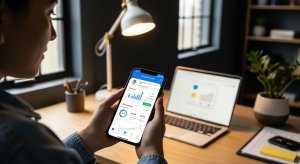
Maintaining financial discipline becomes significantly easier when your tracking tool removes administrative friction. Rather than dealing with complicated spreadsheets, a dedicated application simplifies logging so you can focus on making informed decisions.
Depto Flow provides an intuitive framework for tracking income and expenses in real time. Beyond basic daily spending, it allows you to manage structured budgets, track money lent or borrowed, and keep detailed records of pending balances and repayments. Whether you are controlling personal spending or organizing shared event expenses, having a centralized ledger ensures you remain accountable to your financial plan.
Conclusion: Turning Tracking into Long-Term Financial Mastery
Financial discipline is not an inherent personality trait; it is a habit built through consistent, transparent tracking. When you make your cash flow visible, impulse spending decreases, savings increase, and financial anxiety vanishes. By regularly reviewing your numbers, you gain total authority over your future security.
Take the next step in building lasting financial habits today. Download Depto Flow to build discipline and take direct control of your daily financial health.