

Personal Finance Expense Tracker That Works Offline: Stay in Control Anywhere
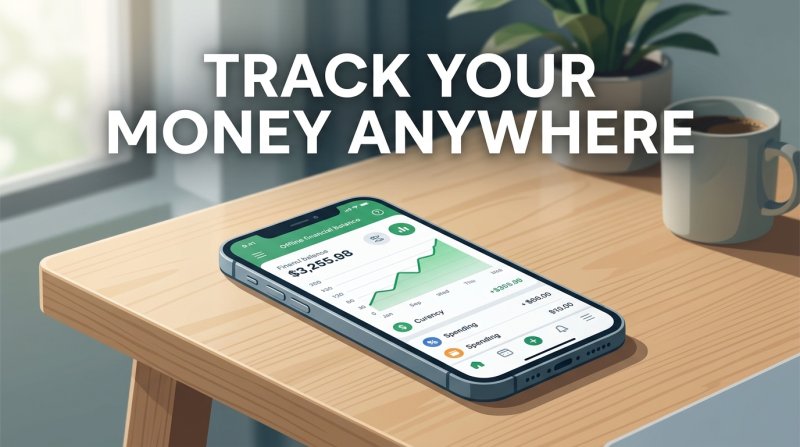
You pull up your money app to record a purchase, but a spinning loading wheel stalls your screen. Whether you are shopping in a basement grocery store, flying at 30,000 feet, or traveling internationally without an active roaming plan, losing network connection should not stop you from managing your finances. Relying on apps that require a constant internet connection often leads to forgotten entries, inaccurate monthly budgets, and unnecessary frustration.
An offline-first approach to money tracking ensures that your financial record-keeping remains fast, dependable, and entirely private. In this guide, you will learn why offline capability is essential for consistent money management and how to build a reliable tracking habit regardless of cellular coverage.
The Core Benefits of Offline Expense Tracking
Most modern apps lean heavily on cloud servers for every user action. While cloud synchronization offers backup perks, requiring live server authentication for simple daily logs creates friction. Here is why an offline finance tracker provides a superior experience:
- Instant Logging with Zero Screen Lag: Opening an app to record a quick coffee purchase should take three seconds, not thirty. Offline-capable trackers store entries directly on your device storage, eliminating network latency entirely.
- Uncompromising Data Privacy: When financial entries remain stored locally on your smartphone, sensitive data regarding your spending habits, bank balances, and income streams stays out of third-party advertising databases.
- Reliability During Travel: International travel, remote hikes, and underground transit routinely interrupt mobile signals. Local logging allows you to record daily spend in foreign currencies or cash without needing a local SIM card.
- Zero Mobile Data Consumption: Frequent API calls to cloud services drain both your battery and your cellular data allowance over time.
Key Features to Look for in an Offline Financial Tool
Not all offline tools operate the same way. When evaluating a personal finance expense tracker for beginners or advanced budgeters, ensure the tool includes these essential offline features:
1. Local Storage with Local Backup Options
Your records should live safely in your local file system. Look for tools that permit encrypted export of your raw database into standard formats like CSV or JSON so you retain complete control over your history.
2. Dual-Entry Capability for Expenses and Income
An effective offline setup handles full transaction cycles. It should record daily outflow, lump-sum salary deposits, and variable freelance incoming payments instantly without server roundtrips.
3. Offline Budget Allocation Rules
Calculating remaining spending allowances for categories like groceries or fuel should occur locally on your device hardware, giving you real-time feedback before you make a purchase at the checkout counter.
How to Maintain Financial Consistency Off the Grid
Technology provides the framework, but daily discipline creates financial clarity. Follow these steps to maximize your offline tracking system:
Step 1: Record Transactions Immediately
Do not wait until the end of the week to enter receipts. Because offline tools open instantly without waiting for network handshakes, form the habit of entering cash and card transactions immediately at the point of sale.
Step 2: Reconcile Account Balances Regularly
Set a weekly reminder to verify your app totals against your actual cash in hand and offline bank statements. For working professionals with multiple accounts, weekly audits prevent minor logging errors from accumulating.
Step 3: Export Local Backups Monthly
Maintain digital security hygiene by exporting a clean CSV backup to a secure storage drive every thirty days. This protects your transaction history against lost or damaged hardware.
Simplify Your Daily Tracking with Depto Flow
If you want a modern, fast tool built to manage your finances without network reliance, download Depto Flow. Depto Flow combines intuitive offline expense tracking and income logging with lightweight budget management tools. It allows you to record cash transactions, monitor daily spending limits, and track repayment balances seamlessly without requiring constant connectivity or intrusive cloud setups.
Frequently Asked Questions
Can an offline expense tracker sync across multiple devices?
Pure offline tools store data locally on a single device. However, modern hybrid solutions allow you to track offline and perform periodic encrypted syncing whenever you decide to connect to Wi-Fi.
What happens to my transaction data if I lose my smartphone?
If you use a purely offline tool without automated cloud sync, you must rely on manual export backups. Exporting monthly CSV backups to an external memory drive ensures you never lose long-term history.
Are offline finance tools safer than cloud-based banking apps?
Yes, offline trackers drastically reduce your cyber attack surface area. Because your personal spending figures stay localized on device storage rather than remote servers, they are immune to cloud-based data breaches.
Take Charge of Your Money On and Off the Grid
Relying on a constant internet connection to log daily spending introduces unnecessary friction into your daily financial habits. An offline personal finance tracker guarantees speed, complete data privacy, and total reliability wherever life takes you.
Audit your current tracking method today, transition to localized entry routines, and test Depto Flow to experience fast, dependable money management anytime, anywhere.