
Aging Gracefully: Simple Ways Senior Citizens Can Master Household Expense Tracking

As we navigate our golden years, managing finances can sometimes feel like a complex puzzle. With fixed incomes, rising costs, and the desire to maintain financial independence, keeping a close eye on where your money goes becomes more important than ever. Whether you're a seasoned saver or new to detailed financial tracking, understanding your household expenses is the cornerstone of a secure and stress-free retirement.
This guide is designed specifically for senior citizens, offering clear, practical, and easy-to-follow methods to track your household expenses. You'll learn why expense tracking is crucial for your financial well-being, explore both traditional and modern tracking tools, identify key expense categories, and get actionable tips to make the process simple and effective. Our goal is to empower you with the knowledge to manage your money confidently and enjoy your retirement years without financial worries.
Why Expense Tracking Matters for Senior Citizens
For seniors, careful expense tracking isn't just about knowing your numbers; it's about peace of mind and maintaining control. Here's why it's so vital:
- Budgeting with Precision: Knowing exactly what you spend helps you create a realistic budget, ensuring you don't outpace your income. This is especially critical on a fixed income.
- Identifying Savings Opportunities: You might uncover subscriptions you no longer use, areas where you can cut back, or better deals on services, freeing up money for things you truly enjoy.
- Financial Security: Regular tracking helps you anticipate future needs, build an emergency fund, and plan for significant expenses without stress.
- Preventing Overspending: By seeing where your money goes, you become more mindful of your spending habits and can avoid unnecessary purchases.
- Simplifying Tax Preparation: Organized expense records make tax season much smoother, helping you identify deductible expenses easily.
Traditional Methods: Pen and Paper
For many, the familiar comfort of a pen and paper remains the simplest and most reliable way to track expenses. This method requires no technology and is easy to understand.
- The Simple Ledger: A basic notebook or a dedicated ledger book can be your best friend. Divide pages into columns for 'Date,' 'Item/Description,' 'Category,' 'Amount,' and 'Running Balance.' Every time you spend money, jot it down immediately.
- Receipt Box: Keep a designated box or envelope for all your receipts. At the end of each week, sit down and transfer the information from your receipts into your ledger. This ensures nothing is missed.
- Monthly Review: At the end of the month, add up your spending in each category. This gives you a clear picture of where your money went and helps you compare it against your income.
This method is tactile, straightforward, and offers a tangible record that many seniors appreciate.
Modernizing with Digital Tools: Spreadsheets and Apps
If you're comfortable with technology, digital tools offer convenience, automation, and powerful insights. They can simplify calculations and provide a clearer overview of your finances.
- Basic Spreadsheets: Programs like Microsoft Excel or Google Sheets allow you to create simple expense trackers. You can set up columns similar to a paper ledger, and the software can automatically sum up your spending. There are many free templates available online that you can adapt.
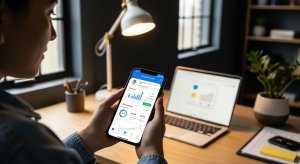
- Financial Tracking Apps: Many smartphone and tablet applications are designed specifically for expense tracking. They often feature user-friendly interfaces, automatic categorization, and visual reports. If you're new to digital tracking, our beginner's guide to expense tracking can provide an excellent foundation for getting started.
The key is to choose a tool that you find easy to use and commit to updating it regularly.
Key Household Expense Categories for Seniors
To effectively track your expenses, it helps to group them into common categories. This makes analysis much easier:
- Housing: Rent or mortgage payments, property taxes, home insurance.
- Utilities: Electricity, gas, water, internet, phone.
- Groceries & Food: All food purchases, dining out.
- Healthcare: Prescription medications, doctor visits, health insurance premiums, medical supplies.
- Transportation: Car payments, fuel, public transport, car insurance, maintenance.
- Personal Care: Haircuts, toiletries, clothing.
- Entertainment & Hobbies: Movies, books, club memberships, travel, gifts.
- Miscellaneous: Unforeseen expenses, minor repairs, donations.
Step-by-Step Guide to Tracking Your Expenses
Ready to start? Follow these simple steps:
- Choose Your Method: Decide whether you'll use a notebook, a spreadsheet, or a mobile app. Stick with the one you find most comfortable.
- Gather Your Financial Documents: Collect bank statements, credit card statements, and any recurring bill notices. This will help you identify all your income and regular expenses.
- Record Every Expense: This is the most crucial step. Whether it's a cup of coffee or a utility bill, record the date, amount, category, and a brief description. Do this daily or at least weekly.
- Review Regularly: Set aside time each week or month to review your entries. Sum up your spending in each category. This helps you spot trends and areas for improvement. This regular review is also a great step toward creating a monthly budget that truly works for you.
- Adjust and Adapt: Based on your review, make conscious decisions about your spending. Are you overspending in one area? Can you reallocate funds to another?
Tips for Successful Expense Tracking
- Consistency is Key: Make tracking a routine. A few minutes each day or week is more effective than a big catch-up session once a month.
- Don't Be Too Hard on Yourself: If you miss an entry, just start again. The goal is progress, not perfection.
- Involve a Trusted Family Member: If you find technology challenging or prefer assistance, ask a trusted family member to help you set up or review your tracking system.
- Keep it Simple: Don't overcomplicate categories or try to track pennies if it becomes overwhelming. Focus on the larger picture.
- Set Realistic Expectations: It takes time to build a new habit. Be patient with yourself.
How Depto Flow Can Simplify Expense Tracking for Seniors
For senior citizens looking for a straightforward digital solution, Depto Flow offers a user-friendly interface to track all your income and expenses, helping you stay on top of your finances without complicated setups. It allows you to easily record transactions, categorize them, and get a clear overview of where your money is going. This can be particularly helpful for understanding your spending patterns and managing your budget effectively. Depto Flow simplifies the process, making it accessible even if you're new to financial apps.
Ready to simplify your financial tracking? Download Depto Flow today and take control of your household budget.
Conclusion
Mastering household expense tracking is a powerful step towards achieving financial peace and independence in your senior years. By choosing a method that suits you, consistently recording your spending, and regularly reviewing your financial picture, you gain invaluable insight and control over your money. Whether you prefer the simplicity of a notebook or the convenience of a digital app like Depto Flow, the effort you put into tracking your expenses will pay off in greater financial security and confidence.
Your next practical step is to choose your preferred tracking method today and start recording your very next expense. With clear information at your fingertips, you can make informed decisions and enjoy your retirement years with greater financial freedom. If you opt for a digital solution, remember that Depto Flow is just a click away to help you effortlessly manage your income and expenses.