
Your First Paycheck: A Beginner's Guide to Smart Salary Management

Receiving your first salary is an exhilarating milestone – a tangible reward for your hard work and a gateway to financial independence. However, this newfound income also brings the responsibility of managing it wisely. Without a clear plan, that exciting paycheck can quickly disappear, leaving you wondering where it all went. This guide is designed for first-time earners like you, offering practical, actionable strategies to take control of your finances from day one. You'll learn how to budget effectively, build essential savings, make smart spending choices, and lay a strong foundation for a secure financial future.
Understanding Your Income and Expenses
Before you can manage your money, you need to understand it. Your salary isn't just the 'gross' amount mentioned in your offer letter; it's the 'net' amount that actually hits your bank account after taxes, provident fund (PF), and other deductions. This net amount is your true take-home pay.
The next crucial step is to know where your money goes. Many first-time earners fall into the trap of 'winging it' and then wonder why they're always short on cash. Tracking your expenses is not about deprivation; it's about awareness and control. Categorize your spending into essentials (rent, food, transport, utilities) and non-essentials (entertainment, dining out, shopping, subscriptions).
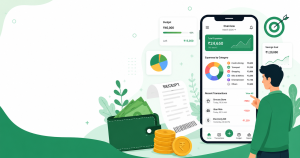
This is where a reliable tool becomes invaluable. Depto Flow can help you effortlessly track all your income and expenses, giving you a clear, real-time picture of your financial inflows and outflows. By logging every transaction, you gain insights into your spending patterns, making it easier to identify areas where you can optimize.
Building Your First Budget: Your Financial Roadmap
A budget isn't a restrictive cage; it's a financial roadmap that guides your money towards your goals. For first-time earners, a simple yet effective method like the 50/30/20 rule can be a great starting point:
- 50% for Needs: Essential expenses like rent, utilities, groceries, transportation, and loan repayments.
- 30% for Wants: Discretionary spending such as dining out, entertainment, hobbies, and shopping.
- 20% for Savings & Debt Repayment: This includes your emergency fund, retirement savings, and any extra payments towards debt.
Adjust these percentages to fit your unique circumstances, but ensure you prioritize savings from the very beginning. For example, if your net salary is ₹30,000, you'd allocate ₹15,000 for needs, ₹9,000 for wants, and ₹6,000 for savings and debt. Setting clear, achievable financial goals – whether it's building an emergency fund, saving for a down payment, or planning a trip – gives your budget purpose and keeps you motivated.
If you're looking for an actionable way to quickly get a handle on your spending and improve your financial health, consider taking on a challenge like the Master Your Money: The 30-Day Cash Flow Improvement Challenge.
The Power of Saving and Investing Early
The earlier you start saving and investing, the more powerful compound interest becomes. This is perhaps the single most important lesson for a first-time earner.
Establish an Emergency Fund First
Before you think about investing, build an emergency fund. This is a safety net of 3-6 months' worth of living expenses kept in an easily accessible, liquid account. It protects you from unexpected job loss, medical emergencies, or unforeseen repairs without derailing your financial progress.
Automate Your Savings
Treat savings as a non-negotiable expense. Set up an automatic transfer from your salary account to your savings or investment account the day your salary comes in. 'Pay yourself first' ensures your savings grow consistently.
Explore Simple Investments
Once your emergency fund is solid, consider investing. For beginners, options like Public Provident Fund (PPF), Equity Linked Savings Schemes (ELSS) for tax benefits, or diversified mutual funds via Systematic Investment Plans (SIPs) are excellent starting points. Start small, but start now. Don't be intimidated by complex jargon; focus on understanding the basics and long-term growth.
Smart Debt Management
While some debt, like education loans, might be unavoidable, it's crucial to manage it wisely and avoid unnecessary consumer debt (e.g., credit card debt for wants). High-interest debt can quickly eat into your future earnings.
- Prioritize High-Interest Debt: If you have multiple debts, focus on paying off the one with the highest interest rate first.
- Avoid Lifestyle Inflation: As your income grows, resist the urge to immediately upgrade your lifestyle significantly. Maintain a modest lifestyle and channel the extra income towards savings, investments, or debt repayment.
If you find yourself struggling with existing loan commitments, learning how to escape the salary-EMI cycle can provide valuable strategies.
Essential Financial Habits for Beginners
Good money management is a marathon, not a sprint. Cultivate these habits early:
- Regular Financial Reviews: Once a month, review your budget, spending, and savings progress. Adjust as needed.
- Continuous Learning: Read books, follow reputable financial blogs, and stay updated on personal finance topics.
- Avoid Impulsive Spending: Give yourself a cooling-off period before making significant purchases.
- Build a Good Credit Score: If you get a credit card, use it responsibly and pay your bills on time and in full.
Taking charge of your first salary sets the stage for a lifetime of financial well-being. By tracking your money, budgeting wisely, prioritizing savings, and making informed choices, you're building a strong foundation. To put these strategies into action and manage your finances with ease, consider trying Depto Flow. Its intuitive tools for tracking income, expenses, and managing budgets can be your ideal partner in this journey. Download Depto Flow today and start mastering your money.
Conclusion
Your first salary is more than just money; it's an opportunity to build a financially secure future. By adopting proactive money management habits early on – understanding your cash flow, creating a sensible budget, prioritizing saving, and managing debt responsibly – you can avoid common pitfalls and set yourself on a path towards financial independence. Remember, small, consistent steps today lead to significant financial growth tomorrow.