

Master Your Money Flow: Understanding Personal Cash Flow and Its Importance
What Exactly is Personal Cash Flow?
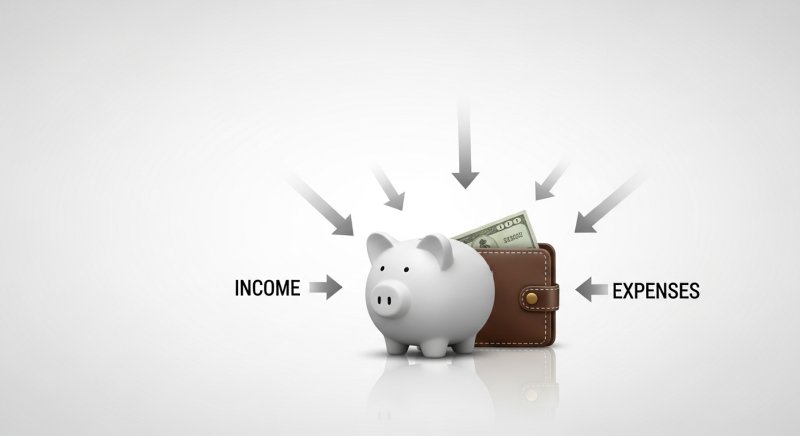
Imagine your bank account as a river. Personal cash flow is simply the movement of money into and out of that river. In simpler terms, it's the total amount of money you receive (income) minus the total amount of money you spend (expenses) over a specific period, usually a month.
A positive cash flow means more money is coming in than going out – your river is getting fuller. This is the ideal scenario, as it allows you to save, invest, or pay down debt. A negative cash flow, on the other hand, means you're spending more than you earn, leading to your river slowly drying up. This often results in accumulating debt or draining your savings.
The Two Sides of Your Financial Coin: Income and Expenses
To truly understand your cash flow, you need to identify its two main components:
1. Income: Money Flowing In
This includes all the money you bring in. It's not just your salary! Common sources of income include:
- Salary or Wages: Your regular paycheck from your job.
- Freelance or Business Income: Earnings from side gigs, consulting, or your own business.
- Investment Returns: Dividends, interest, or profits from investments.
- Rental Income: Money received from renting out property.
- Bonuses and Commissions: Extra payments tied to performance. For tips on managing these, you might find our guide on tracking bonuses and incentive income helpful.
- Gifts or Inheritances: Unexpected windfalls.
2. Expenses: Money Flowing Out
This is where your money goes. Expenses can be broadly categorized into two types:
- Fixed Expenses: These are costs that generally stay the same each month and are often unavoidable. Examples include rent/mortgage payments, loan EMIs, insurance premiums, and subscription services.
- Variable Expenses: These costs fluctuate from month to month and you often have more control over them. Examples include groceries, dining out, entertainment, transportation (fuel, public transport), and clothing.
Why Does Personal Cash Flow Matter So Much?
Understanding your personal cash flow isn't just an accounting exercise; it's the foundation of all sound personal finance. Here's why it's crucial:
1. Financial Clarity and Control
Without knowing your cash flow, you're essentially driving blind. Tracking it gives you a clear picture of where your money comes from and where it goes. This clarity empowers you to make informed decisions and take control of your financial future.
2. Effective Budgeting and Saving
Knowing your cash flow is the first step to creating a realistic and effective budget. When you see your income and expenses laid out, you can identify areas where you might be overspending and reallocate funds towards savings or debt repayment. This helps you build an emergency fund, save for a down payment, or plan for retirement.
3. Debt Management
Negative cash flow is a primary driver of debt. By monitoring your cash flow, you can spot potential shortfalls before they force you to rely on credit cards or loans. If you already have debt, understanding your cash flow helps you identify extra money you can put towards accelerating your debt repayment. This is especially important when you have multiple personal debts to prioritize.
4. Achieving Financial Goals
Whether it's buying a home, funding your child's education, or taking a dream vacation, most financial goals require consistent saving. Positive cash flow provides the surplus needed to fund these aspirations. It transforms abstract goals into actionable plans.
5. Emergency Preparedness
Life is unpredictable. Unexpected expenses like medical emergencies, car repairs, or job loss can derail your finances. A healthy positive cash flow allows you to build a robust emergency fund, providing a crucial safety net against these unforeseen events.
How to Track Your Personal Cash Flow Effectively
Tracking your cash flow might sound daunting, but it's simpler than you think. Here’s a practical approach:
- Gather Your Financial Data: Collect bank statements, credit card statements, pay stubs, and any other records of income and expenses for a month.
- List All Income Sources: Write down every penny that came in.
- Categorize All Expenses: Go through your statements and categorize each outflow. Separate fixed from variable expenses.
- Calculate Your Net Cash Flow: Subtract your total expenses from your total income.
Example Scenario: Pooja's Monthly Cash Flow
- Income: Salary (₹50,000), Freelance (₹10,000) = Total Income: ₹60,000
- Fixed Expenses: Rent (₹15,000), Loan EMI (₹8,000), Insurance (₹2,000) = Total Fixed: ₹25,000
- Variable Expenses: Groceries (₹7,000), Dining Out (₹4,000), Transport (₹3,000), Entertainment (₹2,000), Utilities (₹2,500) = Total Variable: ₹18,500
- Total Expenses: ₹25,000 + ₹18,500 = ₹43,500
- Net Cash Flow: ₹60,000 (Income) - ₹43,500 (Expenses) = ₹16,500 (Positive Cash Flow)
Pooja has a healthy positive cash flow of ₹16,500, which she can use for savings, investments, or accelerating debt payments.
Leveraging Digital Tools for Easy Tracking
While manual tracking is effective, digital tools can automate much of the process. An app like Depto Flow can be incredibly helpful in this regard. It allows you to easily track all your income and expenses in one place, giving you real-time insights into your financial health. By categorizing your transactions, you can quickly see where your money is going and identify areas for improvement.
Improving Your Cash Flow: Two Key Strategies
Once you understand your cash flow, you can actively work to improve it:
- Increase Your Income: Explore opportunities for raises, take on freelance work, sell unused items, or develop new skills that can lead to higher earnings.
- Reduce Your Expenses: Review your variable expenses critically. Can you cut back on dining out, find cheaper alternatives for entertainment, or reduce impulse purchases? Even small reductions can add up significantly over time.
Conclusion: Your Path to Financial Freedom Starts Here
Personal cash flow is not just a financial concept; it's a powerful tool for achieving financial stability and reaching your goals. By understanding where your money comes from and where it goes, you gain the clarity and control needed to make smart financial decisions, build savings, manage debt, and plan for a secure future. Start tracking your income and expenses today to unlock a clearer financial picture.
To put this advice into practice and effortlessly track your income and expenses, consider downloading Depto Flow. It's an intuitive way to monitor your money movements and ensure you always have a clear understanding of your personal cash flow. Take control of your finances – Download Depto Flow now.