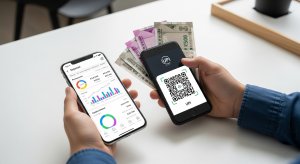

Money Manager App for Privacy-Conscious Users: Track Spending Without Sharing Data
When you set up a standard budgeting app, the onboarding workflow typically asks for your online banking credentials or demands permission to scrape your financial accounts. While automated bank syncing promises convenience, it introduces serious data security and privacy risks. Third-party data aggregators regularly collect transaction metadata, build detailed consumer profiles for ad networks, and store sensitive access tokens on cloud servers.
For privacy-conscious users, granting third-party platforms continuous access to personal bank logs is an unacceptable risk. Managing your personal finances effectively should never require surrendering ownership of your sensitive personal data. Fortunately, you can track spending, maintain strict budgets, and achieve your financial goals without compromising your digital privacy.
The Hidden Privacy Risks of Bank-Linked Budgeting Apps
Most popular financial platforms rely on account aggregation services to fetch your transactions automatically. While this eliminates manual entry, it creates several underlying privacy concerns:
- Data Monetization: Free and freemium financial utilities frequently monetize user information by selling anonymized spending statistics, shopping trends, and credit behavior to third-party marketing firms.
- Overbroad Data Collection: Automated screen scrapers collect far more data than necessary for simple budgeting, including merchant locations, full account balances, and personal identity metrics.
- Security Vulnerabilities: Storing central access tokens for multiple bank accounts on external servers creates an attractive target for security breaches and unauthorized data leaks.
Key Criteria for a Privacy-First Money Manager
A truly private expense tracker keeps you in complete control of your financial records. When evaluating money management tools for data security, look for these fundamental characteristics:
1. Zero Mandatory Bank Syncing
The safest way to protect your financial credentials is never to enter them into a third-party app. A privacy-focused expense manager functions independently of open banking APIs or credential scraping, ensuring your bank account logins remain strictly between you and your financial institution.
2. Local Storage and Data Ownership
Your financial transaction history belongs to you. Search for applications that prioritize local device storage or client-side encryption. A privacy-conscious app should allow you to export your raw data in accessible formats whenever you choose, without locking your information inside a proprietary database.
3. Granular Privacy Controls
Privacy-respecting tools collect minimal telemetry. They do not require social media logins, contact list scraping, or invasive location tracking simply to log an everyday purchase.
Building an Effective Private Tracking Routine
Transitioning away from automated bank scrapers requires a slight shift in daily financial habits, but manual logging provides distinct psychological advantages. Manually entering transactions creates intentional friction, forcing you to reflect on every purchase in real time.
In fact, understanding how personal finance tracking improves financial discipline demonstrates that active manual tracking builds far greater spending awareness than passively reviewing auto-categorized charts once a month.
If you regularly transact across multiple payment platforms or digital wallets, keeping a clean central log is essential. Users navigating multiple payment options can apply these strategies when choosing a money manager app for people who use multiple UPI apps to maintain unified records while protecting individual account privacy.
Managing Shared Debts and Events Safely
Tracking personal spending is only half the battle; handling shared costs like group trips or peer-to-peer loans often presents additional privacy hurdles. Traditional bill-splitting apps often demand access to your entire address book or mandate social connections.
A privacy-oriented approach allows you to log money lent and borrowed, split group balances, and track pending repayments without publishing your social graph or exposing your network to external trackers.
Secure Financial Management with Depto Flow
If you want clear visibility over your personal finances without giving up your data privacy, Depto Flow provides a clean, independent platform designed for user control. Depto Flow operates without invasive bank integrations, letting you track your financial health on your own terms.
With Depto Flow, you can take advantage of practical core tools:
- Expense Tracking & Income Tracking: Record transactions instantly with custom categories without linking external bank accounts.
- Budget Management: Define spending limits for categories like dining, groceries, and entertainment to keep your finances on track.
- Money Lent & Borrowed Tracking: Keep accurate personal tallies of shared balances and pending repayments confidentially.
- Event Expense Management: Organize group trip costs or special project expenses without third-party network exposure.
Take charge of your personal finance data today. You can download Depto Flow to track expenses, set budgets, and stay organized securely.
Frequently Asked Questions
Do private expense managers require manual transaction entry?
Yes, most privacy-first money managers utilize manual transaction entry or file imports rather than automated bank scraping. This eliminates the need to share online banking passwords or grant continuous third-party access to your account history.
Is manual expense tracking time-consuming?
Logging a transaction manually takes less than ten seconds once you establish a routine. Most users find that spending thirty seconds a day recording purchases saves significant time compared to fixing misclassified transactions in automated banking apps.
Can I back up my financial records in a privacy-focused app?
Yes. Reputable privacy-focused money managers offer local device backups or encrypted export options, allowing you to save your financial history as standard CSV or spreadsheet files without storing unencrypted data on external servers.
Summary and Action Plan
Protecting your financial privacy does not mean sacrificing organized budgeting. By choosing apps that avoid mandatory bank syncing and minimize data collection, you retain full ownership of your sensitive information.
Next Steps:
- Review the privacy settings and bank connection permissions on your current financial apps.
- Transition to manual logging to increase spending awareness and eliminate credential sharing.
- Download a privacy-friendly tool like Depto Flow to organize income, expenses, and shared balances on your terms.